
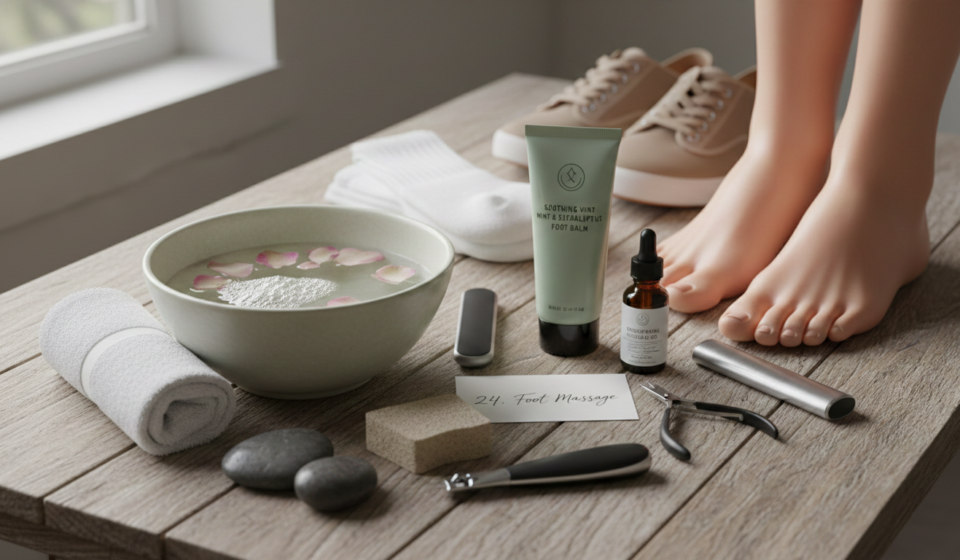
30 Tips to Keep Your Feet Healthy
Ultimate Guide to Foot Health: 30 Essential Tips for Happy Feet
Your feet endure a lot daily—whether standing, walking, or running. This constant activity can lead to discomfort, pain, and even infections. Unfortunately, we often overlook their care compared to other parts of our body. Prioritizing foot health is crucial, especially if we want to keep our mobility intact. A dedicated foot care routine is essential for everyone. Here are 30 tips to help you maintain healthy feet.
1. Daily Foot Inspections
Make it a habit to check your feet every day. Regular inspections can identify issues like cuts, sores, or swelling early on. Make special note of any changes in color, temperature, or texture. This is especially important for people with diabetes, who are at a higher risk for foot complications.
2. Warm Water Foot Baths
Washing your feet in warm water can loosen stiff muscles and improve blood circulation. Use mild soap and handle your feet gently. Ensure the water is lukewarm, ideally between 92 and 100 degrees Fahrenheit, to avoid any burns.
3. Soaking for Relaxation
Soaking your feet in warm water for about 20 minutes can be a relaxing ritual. You can even add Epsom salts to the water for added benefits, such as improved magnesium levels which can enhance bone and heart health. However, those with diabetes should be cautious, as soaking may lead to complications.
4. Exfoliate and Scrub
Regular exfoliation and scrubbing can help remove dead skin from your feet. You can use creams or gels meant for this purpose, but choose products that are gentle on your skin to avoid irritation. Proper exfoliation can prevent clogged pores and subsequent infections.
This post contains affiliate links. If you make a purchase through my links, I may receive a small commission at no additional cost to you. I only recommend products I truly believe in.
5. Proper Drying Techniques
After washing your feet, it’s crucial to dry them thoroughly, especially between the toes. Many foot infections stem from moisture getting trapped in these areas. Consider using foot powder to keep moisture at bay and prevent odor.
6. Moisturize Regularly
Keep the skin on your feet soft and smooth to prevent cracking. Regular soaking, washing, scrubbing, and moisturizing should be part of your routine. Treat yourself to a spa day every now and then for a professional touch.
7. Callus Care with a Pumice Stone
Calluses can be painful despite being harmless. To remove them, use a pumice stone after soaking your feet. Rub gently, then follow up with lotion to keep the skin hydrated.
8. Regular Toenail Maintenance
Trim your toenails frequently to prevent ingrown toenails, which can be painful and lead to infections. Use proper nail clippers and cut straight across, avoiding curved edges, and never trim them too short.
9. Avoid Going Barefoot
While it’s tempting to walk barefoot, especially in warm weather, it's risky. Public areas like pool decks and locker rooms can harbor germs. Always opt for sandals or flip-flops to protect your feet.
10. Choose Properly Fitting Shoes
Wearing shoes that are too tight or too loose can lead to various foot problems, including bunions and corns. Make sure your shoes fit well and allow for slight toe movement.
11. Rotate Your Footwear
Give your shoes time to air out between wears to avoid fungal growth and keep your feet healthy. Changing up your shoes daily can also help reduce moisture buildup.
12. Clean Socks Matter
Wearing clean socks each day is essential for foot health. They provide support, cushioning, and warmth while absorbing sweat to keep your feet dry.
13. Change Your Socks Daily
Just like shoes, socks can trap moisture and lead to fungal infections. Make it a habit to change your socks every day to keep your feet fresh.
14. Promote Good Blood Circulation
Excellent blood circulation is vital for overall foot health. Engage in activities like walking, running, or climbing stairs to improve circulation. Regular warm baths can also rejuvenate your feet.
15. Quit Smoking for Better Circulation
Smoking can impair blood flow, leading to various health issues. Quitting can significantly improve circulation throughout your body, including your feet.
16. Manage Diabetes Effectively
For diabetics, foot problems can be more prevalent due to reduced blood flow and nerve damage. Keeping blood sugar levels in check and scheduling regular check-ups can help mitigate these issues.
17. Anti-Sweat Measures
Hyperhidrosis, or excessive sweating, can create a breeding ground for infections. Maintain good hygiene and consider wearing moisture-wicking socks.
18. Maintain a Healthy Weight
Excess weight can place undue stress on your feet, leading to problems like arthritis or plantar fasciitis. Regular exercise and a balanced diet are essential for maintaining a healthy weight.
19. Balanced Nutrition for Foot Health
Your diet plays a significant role in foot health. Consuming foods rich in calcium and vitamin D can help prevent conditions like osteoporosis.
20. Keep Feet Hydrated
Just like the rest of your body, your feet need hydration to stay healthy. Use moisturizers to combat dryness and keep your skin supple.
21. Caution in Nail Salons
If you're treating yourself to a pedicure, ensure the tools are sterilized to avoid infections. Consider bringing your own tools and opting for a dry pedicure if you're concerned.
22. Avoid Sharing Footwear
Never share shoes or socks as foot infections can be contagious. It's best to keep your footwear personal to prevent the spread of germs.
23. Regular Foot Massages
Treat your feet to a soothing massage. Both foot massages and reflexology can enhance blood circulation and alleviate aches.
24. Stretch to Alleviate Pain
Stretch your feet regularly to relieve pain. Techniques such as towel stretches or ankle rotations can help improve flexibility and promote healing.
25. Exercise Your Feet
Simple exercises like toe raises or marble picking can improve the strength and flexibility of your feet. Keep them engaged for a healthier lifestyle.
26. Stay Active
Engaging in physical activities—like jogging, walking, or gym workouts—can improve overall health while benefiting your feet specifically.
27. Sunscreen for Your Feet
Don’t forget to apply sunscreen to your feet when outside. The skin here can be vulnerable to sun damage, so protect it just like you do your face.
28. Use Flip-Flops with Care
While flip-flops are great for summer, they can lead to discomfort. Their minimal support can cause strain, so wear them sparingly and opt for more supportive footwear whenever possible.
29. Consult Your Doctor Regularly
When visiting your healthcare provider for other reasons, take the opportunity to have your feet examined. Catching issues early can save you from future complications.
30. Seek Professional Help for Persistent Pain
If you experience ongoing foot pain despite home remedies, don't hesitate to consult a podiatrist. They can diagnose the issue accurately and recommend effective treatments.
Conclusion
Foot problems can range from minor irritations to serious conditions, some of which may require medical intervention. Adopting simple foot care practices can make a world of difference, keeping your feet healthy and happy. Remember, prioritizing foot health is part of overall wellness. Establish a routine that best suits you and stick to it for optimal results. Plus, don't forget the importance of a nutritious diet and regular exercise in fostering good health.
Taking care of your feet might not seem as glamorous as caring for your skin or hair, but the benefits can be profound. Make a commitment to your foot health today, and enjoy the rewards of mobility and comfort for years to come!