
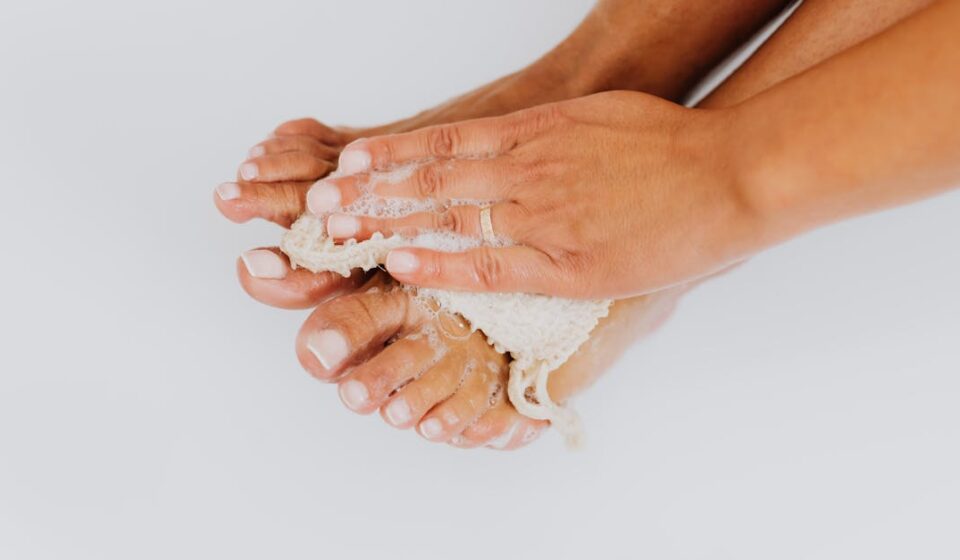
7 Natural Ways to Soften Hard Skin on Feet
Effective Natural Remedies for Softening Hard Skin on Your Feet
Healthy feet are essential for comfort and mobility, yet many of us struggle with hard, dry skin. This common issue can arise from various factors, including excessive pressure, friction, lack of moisture, or wearing uncomfortable footwear. When ignored, hard skin can lead to cracking, discomfort, and even infections. Fortunately, you don’t have to turn to chemical-laden products; numerous natural remedies effectively soften hard skin. In this article, we'll explore a variety of tried-and-tested methods to rejuvenate your feet.
Regular Foot Soaking: A Simple Yet Powerful Step
One of the first steps in softening tough skin is soaking your feet. This practice not only hydrates the skin but also helps to loosen dead cells, making them easier to remove. Here are some effective natural soaking solutions:
Epsom Salt Soak
Epsom salt has long been praised for its soothing properties. To create an Epsom salt soak, follow these steps:
- Fill a basin with warm water.
- Add 1/2 cup of Epsom salt to the water.
- Soak your feet for 15 to 20 minutes.
This soak will help exfoliate and calm tired feet, making it an excellent way to start your foot care routine.
Apple Cider Vinegar Soak
Apple cider vinegar is well-known for its natural exfoliating qualities, making it a superb choice for foot care. To whip up an apple cider vinegar soak:
- Mix one part apple cider vinegar with two parts warm water.
- Soak your feet for around 15 minutes.
This soak aids in breaking down tough skin and prepares your feet for further treatment.
Exfoliation: Removing Dead Skin Naturally
Once your feet are softened, the next step is to exfoliate. Exfoliation not only removes dead skin cells but also encourages fresh cell turnover. Here are some natural exfoliating scrubs you can create at home:
Sugar and Olive Oil Scrub
This easy-to-make scrub combines two simple ingredients:
- Mix equal parts sugar and olive oil to form a thick paste.
- Gently scrub your feet in circular motions for about 5 to 10 minutes.
- Rinse thoroughly with water.
This scrub will leave your feet feeling refreshed and smooth.
Oatmeal and Milk Paste
For a gentle exfoliating option, try using oatmeal:
- Combine ground oatmeal with enough milk to make a thick paste.
- Apply it to your feet and allow it to sit for 10 to 15 minutes.
- Gently scrub your feet before rinsing.
Oatmeal not only exfoliates but also nourishes the skin, making it a perfect addition to your foot care regimen.
Daily Moisturization: Locking in Hydration
Moisturizing your feet daily is critical to keeping them soft and preventing the buildup of hard skin. Natural oils are packed with fatty acids and vitamins that can deeply hydrate your skin. Consider incorporating the following:
Coconut Oil
Renowned for its antimicrobial properties, coconut oil excels at moisturizing dry, cracked skin. It's also incredibly versatile, making it an ideal choice for daily use.
Shea Butter
Rich in vitamins A and E, shea butter nourishes the skin and helps maintain its elasticity. Apply it generously after soaking or bathing for the best results.
Olive Oil
Another excellent moisturizer, olive oil penetrates deeply into the skin. Use it as a daily moisturizer by applying it after you wash your feet. For best results, wear cotton socks afterward to lock in moisture overnight.
Gentle Exfoliation with Pumice Stone or Foot File
After soaking your feet, a pumice stone or foot file can work wonders. These implements help to slough off dead skin effectively. Be gentle; too much pressure can lead to irritation.
Using a Pumice Stone
- After soaking, gently rub the pumice stone over the hardened areas.
- Focus on spots with significant buildup, applying just enough pressure to remove the dead skin without hurting yourself.
Remember not to overdo it, as this can cause more harm than good.
Intensive Hydration with Natural Masks
For a boost of hydration, consider natural foot masks. They can provide an extra layer of moisture while softening rough patches:
Banana and Honey Mask
This delicious mask is as easy to make as it is effective:
- Mash one ripe banana with a tablespoon of honey.
- Apply the mixture to your feet and leave it on for 20 minutes.
- Rinse thoroughly afterward.
Bananas are full of moisture and nutrients that are great for your skin.
Avocado and Yogurt Mask
Avocado, combined with yogurt, makes for a luxurious foot treatment:
- Mash half an avocado and mix it with two tablespoons of plain yogurt.
- Apply this mask to your feet and let it sit for about 20 minutes before rinsing.
Both ingredients are rich in healthy fats and lactic acid, promoting smooth and nourished skin.
Hydration and Nutrition: Inside-Out Care
Your skin's health is closely linked to your diet and hydration levels. To achieve beautiful feet, make sure to drink plenty of water and focus on a skin-friendly diet rich in vitamins A, C, E, and omega-3 fatty acids. These nutrients support skin repair and hydration from within.
Stay Hydrated
Drinking enough water is essential for keeping your skin hydrated. Aim for at least eight glasses a day, and adjust based on your activity level and climate.
Nutrient-Rich Foods
Incorporate a variety of fruits, vegetables, nuts, and seeds into your diet. Foods like sweet potatoes, oranges, nuts, and fatty fish can improve skin health and keep feet hydrated and supple.
Choosing Comfortable Footwear
The shoes you wear can significantly affect your foot health. Poorly fitting shoes can create undue pressure and friction, leading to hard skin. Here's how to choose appropriate footwear:
Opt for Well-Fitting Shoes
Select shoes that fit well and provide adequate support. Consider trying them on at the end of the day when your feet are slightly swollen to ensure a comfortable fit.
Choose Breathable Materials
Look for shoes made from natural materials like leather or canvas that allow your feet to breathe. Breathable shoes can minimize moisture buildup, reducing the chance of hard skin forming.
Socks Matter
Don't underestimate the importance of socks. Choose socks made from natural fibers like cotton or bamboo. These materials help reduce friction and wick away moisture, improving overall foot comfort.
Maintaining Healthy Feet: A Routine for Success
The journey to soft, healthy feet requires consistency and care. Here are a few tips to help you maintain soft skin over time:
-
Stick to a Routine: Make foot care a regular part of your weekly routine. Set aside time for soaking, scrubbing, and moisturizing.
-
Be Mindful of External Factors: Elements like weather and activities may impact your feet. During dry months, increase your moisturizing efforts.
-
Monitor Foot Health: Always pay attention to any changes in your feet, especially if you have existing health conditions, such as diabetes.
-
Consult Healthcare Professionals: If issues persist despite your best efforts, consult a healthcare provider for personalized advice.
This post contains affiliate links. If you make a purchase through my links, I may receive a small commission at no additional cost to you. I only recommend products I truly believe in.
Conclusion
Softening hard skin on your feet doesn't have to be an expensive or complicated process. By incorporating these natural remedies into your daily routine, you can enjoy soft, supple feet without relying on harsh chemical treatments. Always remember that maintaining foot health is an ongoing journey, so stay vigilant and proactive. With a little love and attention, your feet can look and feel their best.