Best Exercises for Healing Achilles Bursitis
Understanding Achilles Bursitis: Symptoms, Recovery, and Essential Exercises
Achilles bursitis, often referred to as retrocalcaneal bursitis, is a painful condition that affects the fluid-filled sac known as the bursa, located between the Achilles tendon and the heel bone. This bursa acts as a vital cushion, absorbing friction during movement. However, when it becomes inflamed, individuals may experience discomfort, swelling, and stiffness around the heel and ankle areas.
Although initial treatment often involves rest, ice, and anti-inflammatory medications, integrating specific exercises into your rehabilitation plan is essential for a full recovery. This guide will delve into the most effective exercises designed to promote healing, enhance flexibility and strength, and help prevent future episodes.
Important Guidelines Before You Begin
Before you embark on any exercise regimen, it's crucial to follow some essential guidelines to ensure safety and effectiveness:
- Consult a Professional: Always check in with a healthcare provider or physical therapist before starting any new exercise program.
- Start Slowly: Begin with low-impact movements to gauge how your body responds, gradually upping the intensity as your condition improves.
- Listen to Your Body: Avoid exercises that result in sharp pain or significantly worsen your discomfort.
- Warm-Up: Spend 5 to 10 minutes on light activities, like walking or stationary cycling, to prepare your muscles for the upcoming exercises.
This post contains affiliate links. If you make a purchase through my links, I may receive a small commission at no additional cost to you. I only recommend products I truly believe in.
Phase One: Acute Stage – Reducing Inflammation and Pain
During the acute stage of Achilles bursitis, the goal is to minimize inflammation and manage pain. Here are some gentle exercises that can help you get started.
Ankle Pumps
Purpose: This exercise enhances circulation and alleviates stiffness.
How to Do It:
- Find a comfortable position, either sitting or lying down with your leg elevated.
- Gently move your foot up and down at the ankle joint.
- Aim for 2 to 3 sets of 15 to 20 repetitions.
Towel Stretch
Purpose: Aimed at improving flexibility in the Achilles tendon and calf muscles.
How to Do It:
- Sit with your leg extended in front of you.
- Loop a towel around the ball of your foot.
- Gently pull the towel toward you, ensuring your knee remains straight.
- Hold this position for 20 to 30 seconds and repeat three times.
Phase Two: Subacute Stage – Restoring Flexibility and Beginning Strengthening
As you transition into the subacute stage, your focus shifts to restoring flexibility while gradually introducing strengthening exercises.
Standing Calf Stretch
Purpose: This exercise stretches the gastrocnemius and soleus muscles, fundamentals for mobility.
How to Do It:
- Stand facing a wall, positioning one foot in front of the other.
- Keep your back leg straight with your heel planted firmly on the ground.
- Lean into the wall until you experience a stretch in your calf.
- Hold for 30 seconds, repeating this process three times for each leg.
Seated Heel and Toe Raises
Purpose: Gently activates calf muscles and promotes tendon mobility.
How to Do It:
- Sit comfortably on a chair with your feet flat on the floor.
- Raise your heels off the ground before slowly lowering them back down.
- Next, raise your toes off the floor and then lower them.
- Complete 3 sets of 15 repetitions for each movement.
Phase Three: Strengthening and Functional Recovery
In this critical phase of recovery, the emphasis is on building strength and functional capabilities.
Eccentric Heel Drops (Heel Lowering)
Purpose: This exercise encourages tendon healing and reduces long-term inflammation.
How to Do It:
- Position yourself on a step with your heels hanging over the edge.
- Raise both feet onto your toes.
- Lift one foot and slowly lower the heel of the other foot below the step.
- Return to your starting position with both feet.
- Aim for 3 sets of 10 to 15 repetitions for each side. Note that mild discomfort may occur initially, but it should not be sharp or severe.
Toe Towel Curls
Purpose: Strengthens the smaller muscles within the foot and boosts stability.
How to Do It:
- Place a towel on the floor in front of you.
- Use your toes to scrunch the towel toward you.
- Maintain this motion for 2 to 3 minutes for each foot, performing this exercise 1 to 2 times daily.
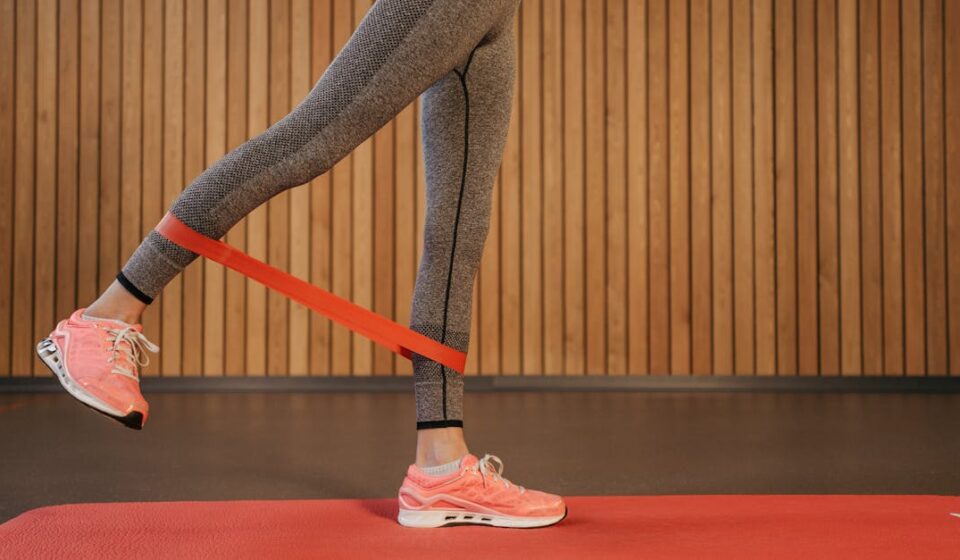
Resistance Band Plantarflexion
Purpose: Focuses on strengthening the calf and Achilles tendon.
How to Do It:
- Sit with your leg extended in front of you.
- Wrap a resistance band around the ball of your foot.
- Push your foot away from you as though you're pressing a gas pedal.
- Slowly return to the initial position.
- Aim for 3 sets of 10 to 12 repetitions.
Bonus Exercises: Mobility and Posture
Improving mobility and posture can significantly aid in recovery and prevent future issues.
Foam Rolling Calves (Avoiding the Achilles)
Purpose: Releases tightness in the calves that may contribute to bursitis.
How to Do It:
- Sit on the floor with a foam roller positioned under your calf.
- Slowly roll from your knee down to just above the Achilles tendon.
- Spend about 1 to 2 minutes per leg.
Balance Training (Single-Leg Stand)
Purpose: Enhances ankle stability and proprioception.
How to Do It:
- Stand on one leg for 30 to 60 seconds.
- To level up, try closing your eyes or balancing on a cushion.
- Repeat 2 to 3 times per leg.
Exercises to Avoid During Recovery
During your recovery from Achilles bursitis, certain exercises should be avoided to prevent aggravation of your condition:
- High-impact activities like running or jumping can add unnecessary strain.
- Deep squats or lunges may place undue stress on the heel.
- Prolonged standing or walking, especially without proper footwear, can exacerbate the situation.
Helpful Tips for a Faster Recovery
- Wear Supportive Footwear: Opt for shoes that provide heel support or use orthotics to minimize pressure on your Achilles tendon.
- Apply Ice: Use ice packs after exercising to relieve soreness.
- Consider Physical Therapy: A physical therapist can offer personalized guidance tailored to your needs.
- Maintain a Healthy Weight: Keeping your weight in check can significantly reduce the stress placed on your ankles.
Conclusion
Healing from Achilles bursitis is a journey that requires patience, persistence, and a balanced approach between rest and rehabilitation. The variety of exercises provided in this guide can significantly contribute to your recovery by enhancing strength, flexibility, and stability. Remember, it's essential to tailor these exercises to your specific condition and pain tolerance. With the right focus and commitment, most individuals can anticipate a complete recovery and a return to pain-free activities.
Investing time in your rehabilitation will pay off, allowing you to enjoy a more active and fulfilling lifestyle.