Bruised Toenail: Learn About Its Causes, Treatment and Prevention
Understanding Bruised Toenails: Causes, Treatment, and Prevention
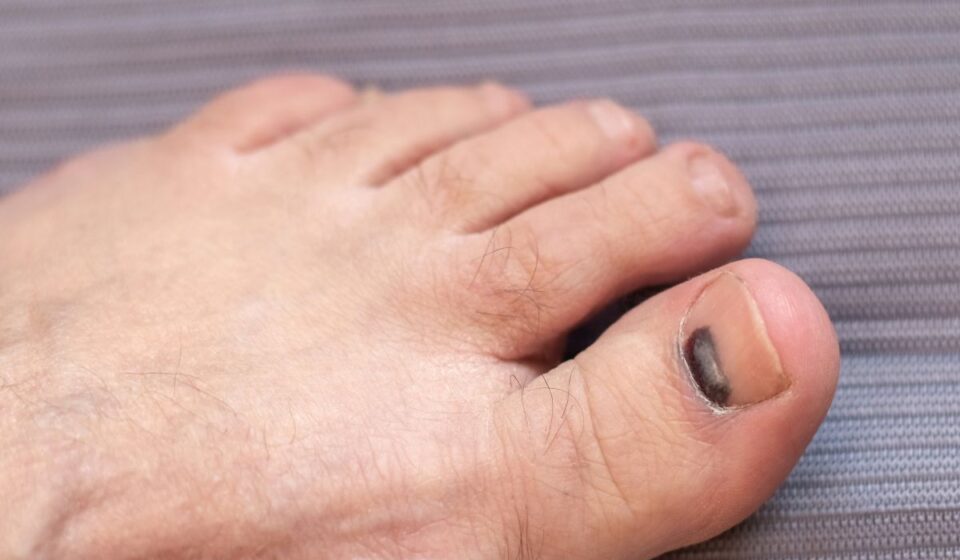
Have you ever finished a long race or an exhilarating day of hiking only to discover a painful bruise under your toenail? If so, you're not alone. Many athletes encounter bruised toenails, but even casual walkers or weekend warriors can experience this annoyingly common issue. While it might seem like a minor annoyance, a bruised toenail can lead to discomfort and complications if not properly addressed. Understanding the causes, taking preventive measures, and knowing how to treat them can help you get back on your feet without skipping a beat.
Are Bruised Toenails Common?
Absolutely! Bruised toenails can happen to anyone, regardless of their activity level. The primary reason behind this issue is often ill-fitting footwear that puts excessive pressure on the toes. This pressure results in an injury to the sensitive skin under the toenail, causing blood and fluid to accumulate. While athletes like runners and soccer players remain the most visible victims, everyday individuals can also find themselves nursing a bruised toenail from a simple accident or misstep.
Common Causes of Bruised Toenails
Long Runs
Engaging in prolonged running sessions, especially in inadequately fitted shoes, can lead to bruising. When you're on the pavement or trails for extended periods, the pressure on your toenails increases. This strain often results in blood pooling under the nail, leading to discoloration and pain. It's common for runners to face this issue, particularly if their shoes are either too tight or too loose, as both conditions can contribute to irritation.
Trauma
A sudden impact can cause a bruised toenail just as easily as prolonged pressure can. Whether you slammed your toe against a door or accidentally dropped something heavy on your foot, trauma can result in a painful bruise. Such incidents lead to visible bleeding under the nail, often accompanied by sharp pain in the affected area.
Nail Injuries
Various types of injuries can affect your toenails and lead to bruising. For instance, cutting your nails improperly or catching them on an object can cause damage. You may also inadvertently crush or tear the nail due to sudden movements or accidents. Regardless of the specific injury, the results can be quite painful, so understanding how to manage these injuries is crucial.
Ill-Fitting Footwear
Wearing shoes that are too tight or too narrow is a primary culprit behind bruised toenails. Such footwear leads to repetitive trauma, especially if you're active. High-impact sports like running can exacerbate this issue, causing the sensitive nail area to rub against the shoe material, resulting in bruises.
Untrimmed Nails
Long nails are more likely to become caught on objects, which can cause bruising or even total nail detachment. Keeping your toenails neatly trimmed reduces the chances of accidental injuries. Furthermore, longer nails can harbor bacteria and fungi, increasing the risk of infections, making regular grooming even more important.
Downhill Running
If you're a fan of downhill running, be cautious! Running downhill can increase the risk of bruised toenails, particularly if your footwear lacks sufficient padding and support. The additional pressure from downhill movements can cause trauma to the toenails, leading to discoloration and discomfort.
Anti-Coagulation Medications
For individuals taking anti-coagulation medications, such as Warfarin or Aspirin, bruising under the toenails may be more frequent. These medications prevent blood clotting, which can make wounds bleed more easily. Always consult with your doctor if you're concerned about medications affecting your toenails.
Ballet Dancing
Dancers, particularly those who practice ballet, frequently grapple with bruised toenails. The pressure exerted on the toes when performing can lead to painful bruises, especially when using pointe shoes. The risk increases as dancers rely heavily on their toenails to support their movements, making these injuries a common issue.
Sports Accidents
Soccer players and athletes in contact sports often experience bruised toenails due to the physical nature of their activities. The combination of pressure from the footwear and the chance of getting stepped on can leave toenails vulnerable to injury. Adopting the right footwear that fits well is essential to avoid complications.
Foot Sprains
Foot sprains can also lead to bruising beneath the toenails. Many athletes, particularly in sports like rugby and soccer, suffer from this issue due to the stress placed on their feet. Sudden shifts in movement can alter the natural position of the toes and contribute to the formation of bruises.
Road Traffic Accidents
Surviving a road incident can lead to various injuries, including bruised toenails. Slamming your foot against the brake pedal during a sudden stop or catching your foot in a pothole can result in painful bruising. Being aware of your surroundings and maintaining your focus while driving can help reduce these risks.
This post contains affiliate links. If you make a purchase through my links, I may receive a small commission at no additional cost to you. I only recommend products I truly believe in.
How to Treat Bruised Toenails
Once you suspect that you have a bruised toenail, act quickly to mitigate the pain and prevent complications. Here are some effective treatment options:
Over-the-Counter Medicines
Non-prescription options like acetaminophen or ibuprofen can provide relief from the pain and swelling associated with a bruised toenail. These medications effectively reduce discomfort and inflammation, allowing you to continue your day-to-day activities.
Seek Medical Assistance
If your bruised toenail shows no signs of improvement or is worsening, consult a physician. A healthcare professional can prescribe antibiotics to prevent infection and may need to trim or treat the nail to prevent further damage. In cases of excessive swelling, a doctor can also drain excess fluid from beneath the nail to relieve pressure.
Preventing Bruised Toenails
The best course of action for bruised toenails is prevention. Incorporate the following tips to minimize your risk:
Stick to Proper Footwear
Ensure that your shoes fit well and provide enough space for your toes. Whether you're running, practicing sports, or wearing regular shoes, prioritize comfort and fit to avoid unnecessary pressure on your toenails.
Keep Your Nails Trimmed
Regularly trimming your toenails is essential to prevent accidental injury. Keeping them at an appropriate length not only reduces the risk of catching on objects but also helps in maintaining good hygiene.
Use Protective Socks
Wearing socks can offer an added layer of protection against friction and pressure from your shoes. Consider using padded socks if you're engaging in high-impact activities to prevent bruised toenails.
Exercise Caution
When using tools or machinery, always adhere to safety protocols. Accidents can happen, and being aware of your surroundings can help you avoid injuries, including bruised toenails.
Natural Home Remedies for Bruised Toenails
If you prefer natural remedies, several options can help alleviate pain and promote healing:
Fuller's Earth
Applying a mixture of Fuller's Earth and rose water to your toe can effectively reduce pain and inflammation. This natural remedy absorbs heat and keeps the area cool.
Turmeric Paste
Turmeric has long been celebrated for its anti-inflammatory properties. Mixing turmeric with lime juice and applying it to the bruise can assist in healing bruised toenails effectively.
Mustard Oil
Using mustard oil on the affected area can help reduce discoloration and inflammation. Try to apply this remedy several times a day to see noticeable results.
Ice Compression
Ice is a classic remedy for reducing swelling and pain. Applying ice wrapped in a cloth to a bruised toenail can help slow down blood flow and prevent further bleeding if the skin is broken.
Healing Time for Bruised Toenails
Recovery from a bruised toenail can vary significantly based on the injury's severity. In some cases, the toenail may eventually detach, but it will typically grow back after a few months. If your toenail starts to feel loose, avoid forcibly removing it—gentle care can promote healing without unnecessary stress. Keep the area clean and covered with a bandage to protect it during this time.
In conclusion, while bruised toenails are a prevalent condition, understanding how to manage them effectively can help you stay active and pain-free. Prioritizing prevention and timely treatment will ensure that minor injuries don’t disrupt your daily life. Remember that comfort and fitting footwear, along with proper nail care, can go a long way in keeping your toenails healthy. Take care of your feet, and they will support you in all your adventures!