
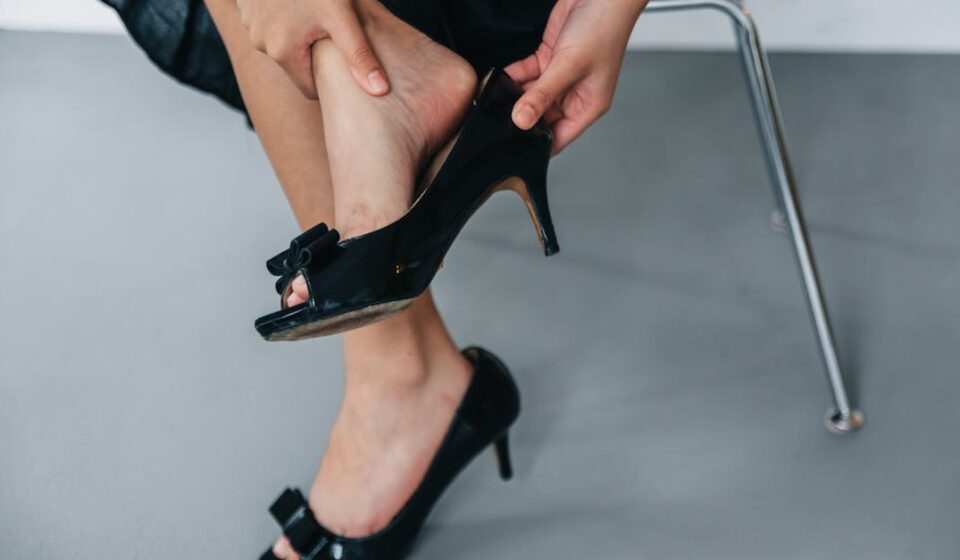
Can You Wear Heels with Bunions?
Navigating Bunions and High Heels: Fashion Meets Comfort
High heels hold a special place in the hearts of many, often regarded as a symbol of elegance and poise. The boost in confidence they provide can truly elevate an outfit. However, for those who suffer from bunions, the reality of sporting chic stilettos can present a painful challenge. This article aims to unravel the complex relationship between bunions and high heels and offer practical tips and stylish alternatives that cater to both fashion and comfort.
Understanding Bunions: More Than Just a Bump
Before we dive into footwear options, it’s essential to understand what a bunion is. A bunion, or hallux valgus, manifests as a bony protrusion at the joint at the base of the big toe. This condition arises when the big toe pushes against the next toe, causing the joint to jut outward. Along with its unsightly appearance, bunions can lead to significant pain, inflammation, and general discomfort, particularly when pressure is applied to the area. While genetics often play a role in the development of bunions, wearing ill-fitting shoes is a significant contributing factor that can exacerbate the issue.
The Problem with Heels: Why They Aggravate Bunion Pain
High heels can create a rather hostile environment for your feet, especially if you are dealing with bunions. Here are some reasons why:
Increased Pressure on the Forefoot
When you wear high heels, your body weight shifts forward, leading to increased pressure on the ball of your foot and, consequently, the bunion joint. This constant compression can aggravate pain, swelling, and irritation.
Altered Foot Mechanics
High heels force your foot into an unnatural position, shortening the Achilles tendon and tightening the surrounding calf muscles. This misalignment can further exacerbate the already compromised joint structure.
Narrow Toe Boxes
Many high-heeled shoes are designed with narrow, pointed toe boxes that crowd the toes together. This squeezing action pushes the big toe further into its misaligned position, increasing friction on the bunion and leading to blisters and discomfort.
Lack of Support
High heels often lack adequate arch support and cushioning, which are essential for proper foot function and even pressure distribution. This lack of support can exacerbate any existing foot ailments.
Can You Wear Heels with Bunions? The Nuance
So, can you wear heels if you have bunions? The answer is complicated—it largely depends on the individual, the type of heel, and how often it will be worn. While some may find even a modest heel unbearable, others might manage occasionally wearing carefully selected styles. However, it’s crucial to realize that persistent use of high heels—especially those with narrow toe boxes and steep elevations—can accelerate the deterioration of your bunions and increase chronic pain.
If you’re adamant about wearing heels for a special occasion, take heart; there are strategies to help minimize discomfort and potential damage.
This post contains affiliate links. If you make a purchase through my links, I may receive a small commission at no additional cost to you. I only recommend products I truly believe in.
Tips for Wearing Heels with Bunions (If You Must)
If you feel compelled to wear heels, consider these tips to make the experience as pain-free as possible:
Opt for Lower Heels
Choosing a heel height of 1-2 inches (2.5-5 cm) is a wise decision. Lower heels place less pressure on your forefoot. Styles like kitten heels, block heels, or wedges with a gentle slope tend to be more forgiving compared to traditional stilettos.
Prioritize a Wide Toe Box
The width of the toe box is a critical consideration. Seek shoes designed with a spacious, rounded, or square toe box that allows your toes to spread comfortably. Avoid any pointed toe designs to minimize squeezing.
Choose Softer Materials
When selecting heels, opt for soft materials such as leather or suede. These more pliable options will adapt better to your foot’s shape and can help reduce friction on the bunion.
Consider Open-Toed Styles
Open-toed shoes or sandals can alleviate pressure on the bunion area, as long as the straps are designed thoughtfully and do not cross over sensitive spots.
Utilize Orthotics and Padding
Custom orthotics or over-the-counter bunion pads can be beneficial. These provide additional cushioning and support and help redistribute pressure to alleviate discomfort.
Limit Wear Time
Reserving heels for special events and keeping wear time to a minimum is wise. Prolonged standing or walking in heels can lead to overstress and pain.
Listen to Your Body
Paying attention to your body is paramount. If you start to feel discomfort, it's essential to remove the shoes immediately. Lingering pain can be a sign of serious harm.
Stylish Alternatives to Traditional High Heels
Fortunately, you don’t have to choose between stylish options and foot comfort. Numerous fashionable alternatives cater to both:
Stylish Flats
There’s a wide array of flats available, from elegant ballet styles to chic loafers and embellished sandals. They offer a stylish appearance without the discomfort of heels.
Block Heels & Low Wedges
These options typically provide more stability and a broader surface area, allowing for better weight distribution. Low-rise block heels or wedges can look great while being easier on your feet.
Kitten Heels
Kitten heels offer a charming alternative, providing a slight lift that doesn't compromise comfort. Their modest height lends them well to both casual and formal scenarios.
Boots with Wide Toe Boxes
Ankle or knee-high boots designed with wider toe areas can be equally fashionable and offer more comfort, especially during colder months.
Athletic-Inspired Fashion Sneakers
High-fashion sneakers have made a significant impact on footwear trends. They provide unmatched comfort while maintaining a trendy aesthetic.
When to Seek Professional Help
If you experience persistent or severe bunion pain that impacts your daily life, it’s vital to consult a podiatrist or orthopedic surgeon. They can evaluate the severity of your bunion and suggest conservative treatments like physical therapy, custom orthotics, or even surgical options if necessary.
Conclusion
While high heels undeniably possess an alluring quality, understanding their impact on bunions is crucial for maintaining long-term foot health. It’s not an outright “no,” but exercising caution, making strategic choices, and prioritizing comfort are essential. By choosing lower, wider, and softer shoe styles, limiting how long you wear heels, and paying attention to your body's signals, you can enjoy the occasional lift without suffering undue pain. Ultimately, embracing stylish yet comfortable alternatives is often the best route to happy, healthy feet.