Capsulitis of the Second Toe: Causes, symptoms, and treatments
Understanding Capsulitis of the Second Toe: Symptoms, Causes, and Treatments
Overview
Capsulitis of the second toe is an often-underrecognized condition that causes inflammation around the ligaments of the second toe's joint. Many individuals may not even realize that they're experiencing this painful issue until it becomes quite severe. While we typically associate capsulitis with the foot, it can actually occur in various joints throughout the body.
Several everyday activities can contribute to this ailment, such as frequent bending while gardening or climbing ladders. Surprisingly, even wearing high-heeled shoes can lead to repetitive bending of the toes, increasing the risk of capsulitis. The more you know about this condition, the better equipped you'll be to deal with it effectively.
What is Capsulitis of the Second Toe?
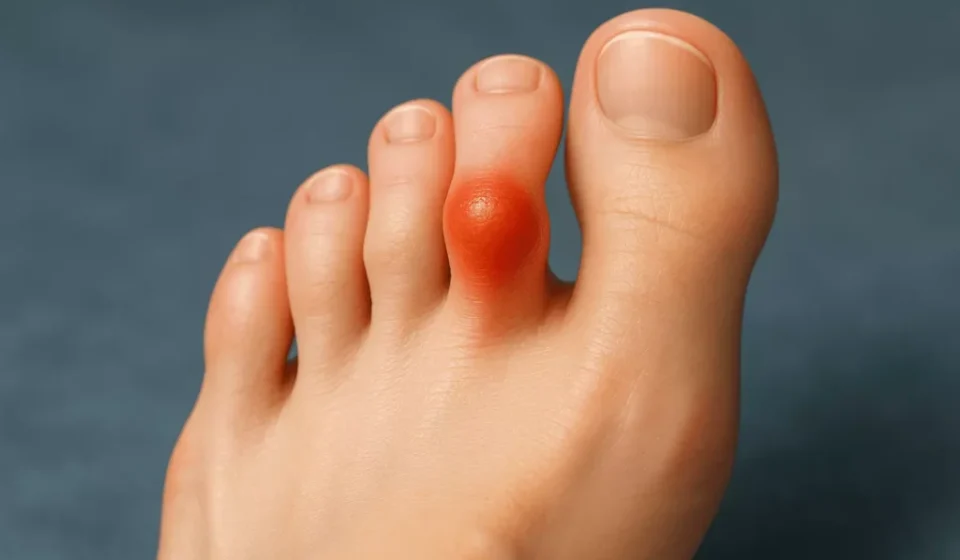
Capsulitis typically refers to inflammation of the soft tissue that surrounds a joint. Specifically, capsulitis of the second toe affects the ligaments at the base of the second toe's joint, forming a capsule essential for joint function. This inflammatory condition most commonly presents pain in the second toe joint, but it can also occur in the third or fourth toes. If left unchecked, it may lead to dislocation of the toe. Capsulitis can impact individuals of any age, making it a relevant health concern.
Common Symptoms of Capsulitis
If you're experiencing capsulitis of the second toe, you may notice several key symptoms:
- Pain: Expect nagging discomfort at the base of the toe or even in the ball of your foot.
- Stiffness: Limited range of motion in the forefoot can make walking uncomfortable.
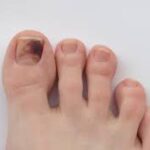
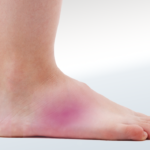
- Swelling: Look out for puffiness around the affected toe joint.
- Redness: You may notice a change in color in the joint area close to the toe.
- Difficulty Walking: You might find it challenging to walk normally due to pain or discomfort in the affected area.
Causes of Capsulitis Foot
Capsulitis can arise for various reasons. Healthcare professionals commonly cite an abnormal foot structure as a key contributor. High amounts of pressure on the ball of your foot can also trigger the condition. Here are some potential factors that can aggravate second toe pain:
- Foot Arch Instability: An unstable arch can change how weight is distributed during movement.
- Bunion Deformities: A pronounced bunion can create imbalances that lead to capsulitis.
- Toe Length: A second toe that is longer than the big toe is more susceptible to injury.
- Frequent Use of High Heels: Continued wear of high-heeled shoes can place excessive pressure on the toe joints.
- Tight Calf Muscles: Muscle tension can contribute to foot mechanics that exacerbate capsulitis.
- Muscle Imbalances: An imbalance between the muscles above and below your foot can lead to conditions like capsulitis.
This newfound understanding of the causes can help you grasp how to treat and prevent capsulitis effectively.
Treatment Options for Capsulitis of the Second Toe
The ideal time to seek treatment for capsulitis is in its early stages. Early intervention can prevent further deterioration of symptoms. Initially, your healthcare provider will likely conduct a thorough diagnosis to distinguish capsulitis from similar conditions, such as Morton’s neuroma.
Diagnosing your capsulitis may include assessing joint stability, and imaging techniques like X-rays could also be utilized. The primary focus of treatment is to redistribute the weight on your forefoot to alleviate symptoms. Here are some effective treatments:
1. Metatarsal Pads and Forefoot Gel Cushions
Metatarsal pads and gel cushions can be incredibly effective for alleviating the pressure on the forefoot. They are designed specifically for conditions like capsulitis. These products slip comfortably around your middle toes, helping to reduce pressure on the metatarsal heads and offering relief from pain and discomfort.
2. Proper Arch Support or Prescription Orthotics
Orthotics play a significant role in promoting foot comfort and support. After a thorough evaluation of your legs and feet, your doctor may prescribe customized orthotics that align with your foot’s contours. Orthotics not only enhance comfort but also help control abnormal foot movements, which can be crucial for individuals suffering from capsulitis.
3. Good-Fitting Shoes
A key preventive measure for capsulitis is wearing well-fitted shoes. Footwear that lacks support can lead to various joint problems. When shopping for shoes, it's essential to avoid flimsy designs like sandals and flip-flops, which can disproportionately flex the forefoot and overstretch ligaments. Instead, opt for shoes that provide adequate support.
4. Rest and Ice
To reduce pain and swelling associated with capsulitis, rest and ice can be effective remedies. Applying an ice pack to the affected area can help relieve inflammation. Be cautious to avoid direct contact between ice and skin; use a thin towel as a barrier and apply it for about 20 minutes, followed by a break of at least 40 minutes. Resting from work will also expedite recovery.
5. Cortisone Injections
Cortisone injections can be an effective medical treatment for capsulitis. This corticosteroid is administered close to the affected joint, targeting inflammation directly. Although cortisone isn’t primarily a pain reliever, it can offer temporary relief from pain, indicating that inflammation is under control.
6. Stretching Exercises
Incorporating stretching exercises into your routine can be beneficial, especially for tight calf muscles and other imbalances in your feet. One effective stretch is the toe extensor stretch, which addresses tendon imbalances often caused by standard footwear. Stretching helps maintain flexibility and reduces inflammation, contributing to overall foot health.
7. Taping or Splinting
Taping is a straightforward and cost-effective method for managing capsulitis. This technique assesses and addresses biomechanical issues, potentially correcting underlying problems. Alternatively, splinting may help maintain proper toe alignment and minimize discomfort.
8. Anti-Inflammatory Medication
Your doctor may prescribe anti-inflammatory medications to mitigate symptoms associated with capsulitis. Ibuprofen is a commonly recommended option. Taking these medications consistently for one to two weeks can help to increase anti-inflammatory levels in your bloodstream, enhancing the healing process.
9. Limiting High-Impact Activities
If your job involves high-impact movements or strenuous activity, it may be beneficial to reduce these demands temporarily. Limiting activities that cause pain or discomfort allows your foot joints to heal, reducing the risk of further injury.
10. Surgical Procedures
In cases where conservative treatments fail to provide relief, surgical intervention may be necessary. The surgical procedure for capsulitis, called osteotomy, typically involves shortening or cutting the second metatarsal to alleviate pain at the toe's base. Other options may include techniques for pressure reduction and realigning the foot structure.
Conclusion
Understanding capsulitis of the second toe is essential for recognizing symptoms, identifying the causes, and exploring treatment options. By evaluating your condition thoroughly, you can take proactive measures to alleviate symptoms or consult a healthcare professional if self-treatment is ineffective. Whether you are looking for preventive strategies or seeking relief from existing symptoms, effective treatment options are available. Taking action today can pave the way for improved foot health tomorrow.
This post contains affiliate links. If you make a purchase through my links, I may receive a small commission at no additional cost to you. I only recommend products I truly believe in.