

Collagen Supplements Won’t Erase Your Wrinkles. Here’s What They Will Do.
The Truth About Collagen Supplements: What You Really Need to Know
Hi there! I'm Amelia, a cosmetologist and health consultant with a passion for diving deep into the world of beauty and wellness. Let’s talk about collagen supplements, a topic that’s both trendy and pivotal in achieving healthy skin. With a multi-billion dollar market and promises of fewer wrinkles and plumper skin, you may wonder what's genuine and what's just sales talk.
This post contains affiliate links. If you purchase through my links, I may earn a small commission at no extra cost to you. I only ever recommend products I genuinely believe in.
Why Are We So Interested in Collagen?
Take a moment to reflect. When you search for collagen supplements, what exactly are you looking for? Is it a youthful appearance? Healthier skin? Or perhaps a sense of security against the inevitable signs of aging? It's important to recognize that our motivations can significantly influence our decisions.
Sure, who doesn’t want to look good? But the truth is, no supplement can magically make you look 25 again—that's simply not how skin biology works. While it is possible to support skin health effectively, chasing after unattainable beauty ideals can lead to disappointment. This article aims to provide a balanced view of collagen supplements, devoid of hype and false promises.
Understanding Collagen: What Is It and Where Does It Come From?
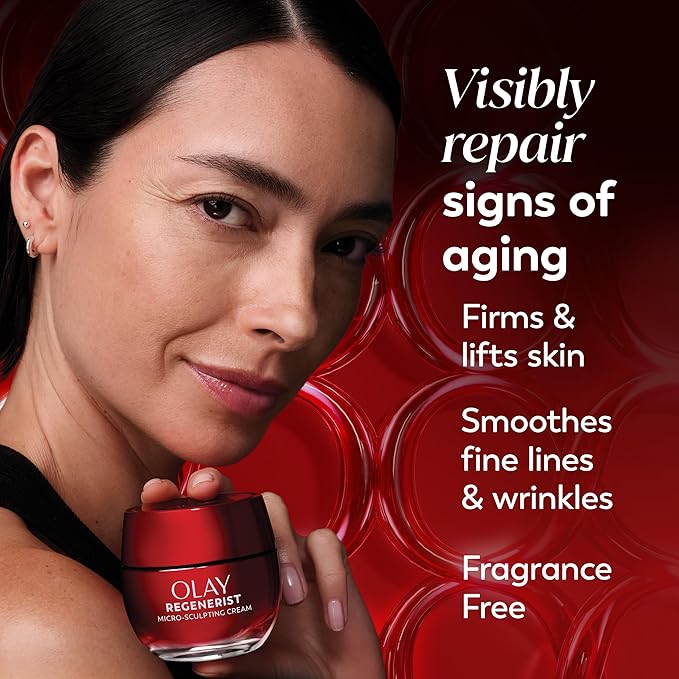
Collagen is a structural protein that acts as the foundation for our skin, providing firmness and smoothness. It constitutes about 80% of your skin's dry weight and gives rise to that youthful, elastic quality we cherish. Your body continually produces collagen, but this natural production begins to wane around your mid-20s, decreasing by approximately 1% each year. As you enter your 40s and 50s, this decline may become visually apparent, resulting in lines, thinning skin, and reduced elasticity.
One critical aspect that is often overlooked is the source of collagen. Almost all collagen available on the market is derived from animals. Typically extracted from cow hides, fish scales, pig bones, or chicken cartilage, the options out there do not cater to vegans. Now, some products might boast “vegan collagen,” but this is somewhat misleading. These products often contain collagen precursors—nutrients that your body can use to produce its own collagen—but they do not contain collagen itself.
Do Collagen Supplements Actually Work?
The research surrounding collagen supplementation is a mixed bag. While some studies indicate that hydrolyzed collagen (broken-down collagen peptides) may enhance skin hydration and elasticity, or even reduce the appearance of fine lines, the nuances are essential to grasp. A review published in the Journal of Drugs in Dermatology examined 11 studies and found some promising results for skin aging. However, there are significant caveats:
- Study Size and Funding: Many of these studies are small, short-term, and often funded by the very companies selling collagen supplements. This fact may not render their findings void but should make you approach them with cautious skepticism.
- Digestive Breakdown: When you ingest a collagen supplement, your body breaks it down into its constituent amino acids. These amino acids can then be allocated wherever the body deems necessary, which may or may not benefit your skin.
- Dosage Discrepancies: The quantities used in clinical trials frequently exceed what's found in typical commercial supplements. Even when improvements are noted, they tend to be modest rather than transformative.
In summary, while there’s potential for some benefits from collagen supplements, it's unlikely you'll wake up after a scoop of powder with radiant, youthful skin.
A Holistic Approach: Working With Your Body
Here is a core tenet that defines my philosophy: your body is not broken, nor does it need trickery or supplementation to do its job. Instead, it requires the right conditions to continue functioning optimally. Just like a garden thrives when nurtured with the right elements, so does your skin.
Rather than asking which supplement to invest in, consider whether you're providing your skin with the raw materials and environment it requires to produce collagen efficiently.
Nutrients that Truly Support Collagen Production
Wading through all the marketing noise can be daunting, but several nutrients can truly make a difference in skin health. These are not only supported by evidence but also easy to incorporate into your daily routine without breaking the bank.
Vitamin C: A Must-Have
Vitamin C is essential for collagen synthesis. Your body cannot produce collagen without it. As a cofactor in the enzymes that stabilize collagen molecules, Vitamin C ensures that collagen maintains its structural integrity. Foods rich in Vitamin C include citrus fruits, bell peppers, kiwi, broccoli, and strawberries. For topical applications, a high-quality Vitamin C serum can further bolster skin support.
Silica: The Hidden Gem
Silica, a mineral crucial for collagen formation and skin elasticity, can be found in oats, bananas, green beans, and horsetail (taken as tea or supplements). Some studies indicate that silica may enhance skin texture and help diminish fine lines.
Zinc: The Often-Overlooked Mineral
Although many people are unwittingly deficient in zinc, it's another essential mineral necessary for collagen synthesis. Great food sources for zinc include pumpkin seeds, hemp seeds, lentils, chickpeas, and cashews.
Amino Acids from Plant Proteins
Collagen is primarily composed of amino acids, specifically glycine, proline, and hydroxyproline. Fortunately, you don’t need to consume collagen-rich foods to supply your body with these amino acids. A balanced, protein-rich plant-based diet, including legumes, tofu, tempeh, nuts, seeds, and whole grains, will provide the necessary building blocks.
Sleep: The Restoration Phase

Routine sleep is the time when your body engages in repairs, including collagen synthesis. Growth hormone, essential for tissue repair, is released predominantly during deep sleep. Poor sleep habits can accelerate skin aging more than any dietary factor.
Sun Protection: A Non-Negotiable
UV radiation is the leading external cause of collagen breakdown. Continuous exposure—even in small increments—can detrimentally affect your skin. Thus, wearing sunscreen daily is not just a cosmetic measure; it’s a vital skin health strategy.
Stress Management: Don’t Underestimate It
Elevated cortisol levels linked to chronic stress can lead to decreased collagen production. If you're grappling with stress without addressing it, no supplement will remedy the impact it has on your skin.
Vegan Alternatives Worth Considering
For those looking for effective, non-animal-derived options, several plant-based products may be beneficial.
Bakuchiol
Bakuchiol is a plant-based alternative to retinol derived from the babchi plant. Research indicates that it stimulates collagen production while improving skin elasticity and fine lines without causing the irritation commonly associated with retinol.
Rosehip Oil
Rich in Vitamin C and trans-retinoic acid, rosehip oil has demonstrated its effectiveness in boosting skin elasticity and reducing scars and fine lines. It’s one of the few carrier oils supported by credible scientific evidence for enhancing skin health.
Vitamin E
This powerful antioxidant shields collagen from oxidative damage. Ideally, use Vitamin E topically alongside Vitamin C to bolster its effects.
Squalane
Squalane, sourced from plants like sugarcane or olives, mimics the natural sebum of your skin, which keeps moisture in and irritants out. Establishing a robust skin barrier is the foundation of healthy skin.
Frankincense Essential Oil
Historically, frankincense has been prized for its skin-boosting properties. It boasts anti-inflammatory benefits and may promote skin cell regeneration. Always remember to dilute it with a carrier oil prior to application.
Vegan Hyaluronic Acid Serum
Hyaluronic acid retains up to 1,000 times its weight in water—ideal for keeping skin plump and hydrated. While it doesn't directly build collagen, well-hydrated skin ages gracefully, so ensure you choose a vegan formula.
A Simple Daily Routine for Skin Health
If you’re unsure where to start, a practical, collagen-friendly routine might look like this:
Morning
- Gently cleanse your face.
- Apply a Vitamin C serum.
- Finish with SPF to protect against UV damage.
Evening
- Cleanse your skin thoroughly.
- Apply rosehip oil or bakuchiol.
- Optionally add a drop of frankincense.
Throughout the Day
- Enjoy a varied, nutrient-dense plant-based diet.
- Stay hydrated.
- Get outdoors for natural light exposure.
Key Non-Negotiables
- Prioritize sleep.
- Implement stress reduction techniques.
- Ensure consistent sun protection.
Redefining the Notion of Wrinkles
I want to address something in plain terms: wrinkles are not failures. They represent a life lived—emotions felt, sunlight basked in, smiles shared. The beauty market has spent years convincing us that aging skin equates to skin in need of fixing. This mindset does not promote health; it promotes consumerism.
Taking care of your skin should stem from a desire for health and nourishment rather than fear or societal approval. You deserve better, and so does your skin.
Final Thoughts
In closing, collagen supplements may not provide the miraculous solutions some claim. For many, these options are not even accessible due to dietary restrictions. A closer inspection of the science reveals that modest benefits exist but are far from guaranteed.
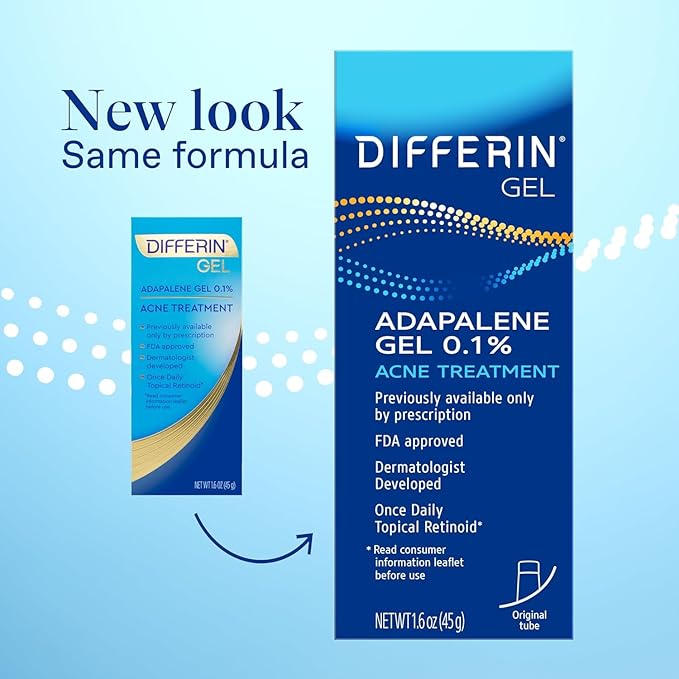
Instead of investing in expensive supplements, focus on supplying your body with the nutrients it needs to produce collagen on its own. Protect your skin from factors that cause collagen breakdown, and implement a simple, consistent skincare routine grounded in evidence. Forget about gimmicks and unattainable beauty promises; empower your body to do what it was designed to do—with a little help from you.
If you want additional insights on crafting a routine that works for you, check out my guide on achieving healthy skin with a minimalist approach focused on real nourishment.
Here’s to a beautiful journey toward health and wellness!
Love,
Amelia