
Comparing Foot Files, Pumice Stones, and Electric Callus Removers
Comparing Foot Files, Pumice Stones, and Electric Callus Removers
Are you struggling with rough, cracked heels and those pesky calluses that just won’t budge? You’re certainly not alone. Everyone deserves baby-soft feet, and it’s not just about looking good—comfort and foot health are vital too. With a plethora of tools available, figuring out the best option for your feet can be overwhelming. In this comprehensive guide, we will explore the differences among traditional foot files, natural pumice stones, and modern electric callus removers, helping you make an informed choice for smoother, happier feet!
Understanding Foot Care Tools
When it comes to foot care, three popular tools stand out: pumice stones, manual foot files, and electric callus removers. Each of these options has its unique features, advantages, and limitations. Whether you're looking for something natural, manual, or electric, there's a solution for everyone. Let’s delve into each type, discussing how to use them, their pros and cons, and when they are best suited.
The Classic: Pumice Stones
Pumice stones are one of the oldest and most natural methods for treating rough skin on your feet. Formed from volcanic rock, their unique porous, abrasive texture makes them perfect for gently exfoliating dead skin.
How to Use a Pumice Stone
-
Soak Your Feet: Start by soaking your feet in warm water for 5-10 minutes. This helps soften the skin, making it easier to exfoliate. You can enhance the experience by adding Epsom salts or a few drops of essential oil, like lavender or peppermint, to the water.
-
Wet the Pumice Stone: Wetting your pumice stone allows it to glide smoothly over your skin, preventing irritation. Simply hold it under running water for a moment.
-
Buff Away Dead Skin: Gently rub the stone on callused areas in circular motions, applying light to medium pressure. Focus on spots with hardened skin, such as your heels and the balls of your feet. Be cautious not to scrub too hard, as you want to remove dead skin gradually.
-
Rinse and Moisturize: After buffing, rinse both your feet and the pumice stone to eliminate accumulated dead skin cells. Follow up by applying a rich foot cream to hydrate and nourish your feet.
Pros and Cons of Pumice Stones
Pros:
- Natural & Eco-friendly: Made from volcanic rock, pumice stones are a sustainable choice.
- Gentle Exfoliation: Ideal for mild calluses; less risk of over-exfoliation with proper use.
- Affordable: Generally low-cost and easy to find.
- Portable: Small and convenient for travel.
- No Power Required: Always ready for use.
Cons:
- Effort Needed: Requires some manual labor to achieve noticeable results.
- Limited Effectiveness on Severe Calluses: May not effectively address very thick calluses.
- Messy: Can create a fine powder of dead skin while in use.
- Hygienic Concerns: Needs regular cleaning to avoid bacterial growth.
The Manual Workhorse: Foot Files
Foot files come in various types, from sandpaper-like boards to stainless steel graters. They are designed for more aggressive removal of dead skin compared to pumice stones.
How to Use a Foot File
-
Determine Wet or Dry Use: Most foot files can work on either wet or dry feet, although some are tailored for specific use. If using on dry skin, it allows for more immediate results, but many prefer the comfort of using it on wet skin.
-
Buff the Call brugerious Areas: Glide the file over callused spots in one direction or back and forth, depending on your file type. For stainless steel graters, single strokes are often most effective, while softer files might benefit from circular motions.
-
Use Coarse and Fine Sides: Start with a coarser side to tackle thicker calluses and finish with a finer side for smoothing. This method helps ensure a refined, even texture.
-
Rinse and Moisturize: After exfoliation, rinse your feet to remove any skin debris, and then apply a generous layer of foot cream.
Pros and Cons of Foot Files
Pros:
- Effective on Moderate Calluses: Quickly addresses tougher calluses.
- Variety of Grits: Offers differing abrasive surfaces to cater to various needs.
- Instant Results: Often provides immediate satisfaction, especially on dry skin.
- Manual Operation: No batteries or charging required.
Cons:
- Risk of Over-Exfoliation: Aggressive use can lead to skin irritation.
- Requires Skill: Careful handling is necessary to avoid damaging healthy skin.
- Less Gentle: Not ideal for sensitive skin types.
- Hygienic Maintenance: Requires cleaning after each use.
The Modern Solution: Electric Callus Removers
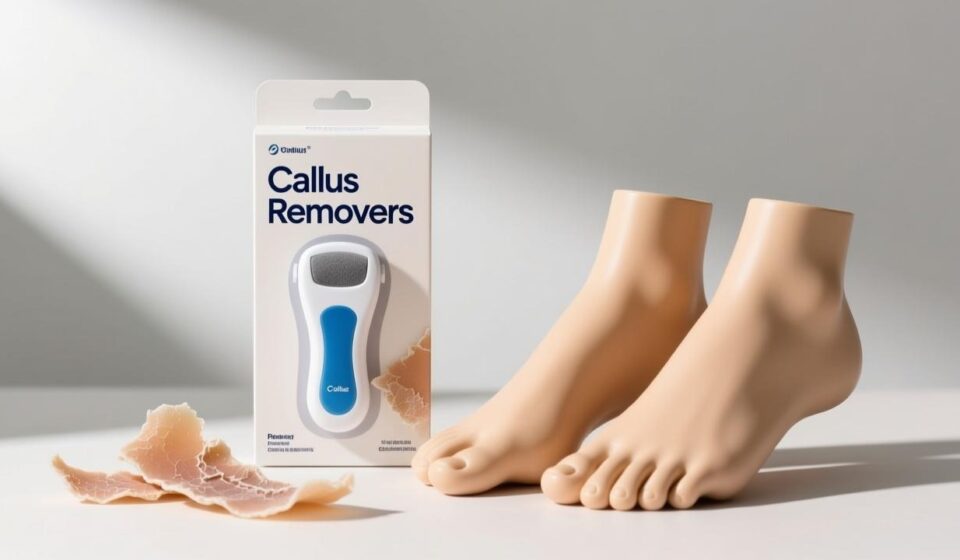
Electric callus removers are battery-operated devices equipped with rotating abrasive rollers. They provide a fast and powerful solution for stubborn calluses.
How to Use an Electric Callus Remover
-
Clean and Dry Feet: Ensure your feet are clean and completely dry, as these devices are designed for dry use and moisture can hinder their effectiveness.
-
Glide the Device: Turn on your device and gently guide the rotating roller across callused areas. Make quick, light passes; let the motor do the work without applying too much pressure.
-
Avoid Prolonged Contact: Do not hold the device in one spot for an extended period to prevent discomfort or skin irritation.
-
Clean Up and Moisturize: Wipe off any residue and follow up with a hydrating foot cream.
Pros and Cons of Electric Callus Removers
Pros:
- Effortless: Requires minimal manual effort, thanks to the motor.
- Fast & Efficient: Quickly removes even thick calluses.
- Less Mess: Many models come with built-in vacuums to minimize dust.
- Variable Speed Settings: Some offer customizable speed for tailored exfoliation.
Cons:
- Higher Cost: Generally more expensive than manual tools.
- Battery or Charging Dependent: Requires power, which can be a drawback.
- Noisy: Can be relatively loud during operation.
- Less Control: While efficient, they may lack precision in targeting small areas.
- Roller Replacement: The need to periodically replace rollers adds to the overall cost.
Comparison Table: Which Tool is Right for You?
| Feature | Pumice Stone | Manual Foot File | Electric Callus Remover |
|———|————–|—————–|————————–|
| Callus Severity | Mild | Mild to Moderate | Moderate to Severe |
| Effort Required | High | Medium | Low |
| Speed | Slow | Medium | Fast |
| Cost | Very Low | Low | High |
| Portability | High | High | Medium (bulkier) |
| Mess | Moderate | Moderate | Low |
| Risk of Injury | Low | Medium | Low |
| Maintenance | Regular rinse | Rinse and dry | Clean roller, replace roller |
Conclusion: Your Feet, Your Choice!
Choosing the best foot care tool truly depends on your individual needs, the severity of your calluses, and your personal preferences.
- For light maintenance and a natural approach, a pumice stone is an excellent and budget-friendly choice.
- For moderate calluses and more targeted removal, a manual foot file provides enhanced efficacy without the need for power.
- For thick, stubborn calluses and a quick, effortless solution, an electric callus remover can be a gamechanger, even though it comes with a higher price tag and maintenance needs.
Many people discover that a combination of these tools works best. For example, using an electric remover for the heavy-duty initial removal followed by maintenance with a pumice stone or fine foot file ensures ongoing care.
Remember to adopt these golden rules for happy feet:
- Soak if Applicable: Soften the skin to ease removal.
- Go Slowly: Take your time to avoid over-exfoliation.
- Moisturize After: Always apply a rich cream to keep skin soft.
- Listen to Your Feet: If you feel pain or discomfort, stop immediately.
Invest in your foot health, and you'll be on your way to walking on air!
This post contains affiliate links. If you make a purchase through my links, I may receive a small commission at no additional cost to you. I only recommend products I truly believe in.