
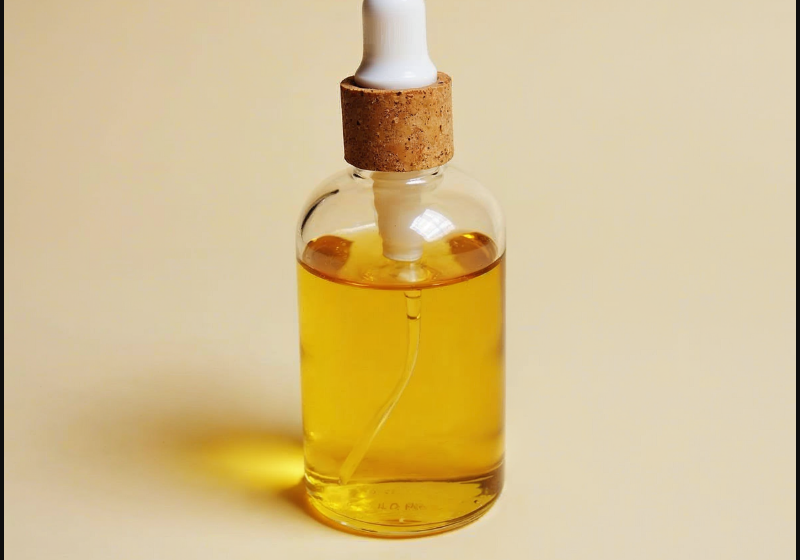
Flax Seed oil for skin and health: the quiet oil that does a lot more than you think
The Marvelous Benefits of Flaxseed Oil: Unlocking Nature's Secret
Hello there! I’m Amelia, a passionate cosmetologist and health consultant with a knack for uncovering the hidden treasures in natural ingredients. Today, let’s dive into the often-overlooked world of flaxseed oil. Despite its humble reputation, this oil deserves a spot on your shelf—whether in your kitchen or skincare routine.
This post contains affiliate links. If you purchase through my links, I may earn a small commission at no extra cost to you. I only ever recommend products I genuinely believe in.
Understanding Flaxseed Oil: More Than Meets the Eye
Flaxseed oil, derived from the seeds of the flax plant (Linum usitatissimum), is often overshadowed by flashier oils like rosehip or argan. Many people pass it by on grocery or cosmetic shelves, associating it with wood finishes rather than skincare wonders. But trust me, there's a wealth of science behind this unassuming oil that's worth exploring.
Linseed Oil vs. Flaxseed Oil: Debunking the Myths
It's essential to clarify something right off the bat: flaxseed oil and linseed oil refer to the same substance. While “flaxseed oil” is more common in food and nutrition contexts, “linseed oil” pops up in industrial references and art supplies. When it comes to skincare or eating, these terms can be used interchangeably. Just remember: the linseed oil found in hardware stores often contains additives unsuitable for skin or consumption. Choose cold-pressed, food-grade oil for the best results.
The Historical Significance of Flax
Flax is one of humanity's oldest cultivated plants, dating back over 30,000 years. This versatile plant has offered us fiber for linen, seeds for nourishment, and oil for various purposes. The oil is extracted through a process called cold-pressing, which preserves its beneficial fatty acids. High-quality flaxseed oil has a rich golden hue and a slightly nutty aroma, making it a delightful addition to both your culinary and skincare practices.
Why Flaxseed Oil is a Skin Superstar
A Fatty Acid Powerhouse
Flaxseed oil boasts an impressive concentration of omega-3 fatty acids, particularly alpha-linolenic acid (ALA), which constitutes about 52–55% of its fatty acid profile. Most oils in your cabinet, like jojoba and sweet almond, rarely come close to this omega-3 richness.
So why does this matter? The membranes of your skin cells are mainly made up of fatty acids. A healthy balance of omega-3s helps maintain the cell membranes' flexibility and moisture retention capabilities. If your diet or skincare routine lacks omega-3s, your skin may struggle to keep irritants out and moisture in.
Additional Essential Fatty Acids
Flaxseed oil is also rich in:
Omega-6 (linoleic acid): About 12–17%, which strengthens the skin barrier and helps regulate inflammatory responses.
Omega-9 (oleic acid): A smaller proportion that aids in skin penetration and softness.
Vitamin E (tocopherols): A powerful natural antioxidant that combats free radical damage.
Lignans: These plant compounds offer antioxidant properties and function as mild phytoestrogens, which can be beneficial for hormonal balance.
What Flaxseed Oil Can Do for Your Skin
Let’s explore the real benefits of incorporating flaxseed oil into your skincare routine.
1. Strengthening the Skin Barrier
Your skin barrier is your first line of defense against external irritants and helps in moisture retention. Compromised skin barriers can lead to dryness, sensitivity, and inflammation. The omega-3 and omega-6 fatty acids in flaxseed oil fortify this barrier, making it resilient against daily aggressors.
2. Powerful Anti-Inflammatory Properties
The ALA in flaxseed oil is converted into longer-chain omega-3s in the body, which are known for their anti-inflammatory effects. Applying flaxseed oil can help reduce redness, calm irritation, and diminish low-grade inflammation—making it an ideal choice for those with conditions like eczema or rosacea.
3. Hydration Without Clogging Pores
Flaxseed oil has a contentious comedogenic rating. Some sources classify it as low (1–2 out of 5), while others rate it higher, indicating a potential for clogging pores. In practical terms, flaxseed oil is generally most suitable for dry or mature skin types. If you lean towards oily skin, patch testing is advisable to ensure compatibility.
4. Potential Anti-Aging Benefits
Although flaxseed oil isn’t a miracle cure for aging skin, it contributes positively by combating oxidative stress and inflammation—two major factors in skin aging. Its antioxidants help neutralize free radicals, while healthy fatty acids help support collagen production.
5. Ideal for Dry Winter Skin
Flaxseed oil shines during the winter months. It excels at providing hydration to dry, flaky skin, making it a valuable addition to your winter skincare arsenal. Consider mixing a few drops into your moisturizer for an extra layer of nourishment.
Important Considerations: Keeping Flaxseed Oil Fresh
The very properties that make flaxseed oil beneficial—its high polyunsaturated fatty acid content—also render it unstable.

Here’s how to maximize its shelf life:
- Always opt for cold-pressed, unrefined linseed or flaxseed oil in dark glass bottles.
- Store it in the fridge.
- Use it within 6–8 weeks of opening.
If it smells off or fishy, it’s gone rancid. Trust your senses to guide you—fresh oil ensures you reap the maximum benefits.
How to Incorporate Flaxseed Oil into Your Skincare Routine
1. As a Facial Oil
Warm 2–4 drops of flaxseed oil between your palms and gently press it into clean, slightly damp skin. The moisture helps improve absorption. Mix it with a more stable oil like jojoba or rosehip to enhance its shelf life.
2. In DIY Serums or Body Oils
Its anti-inflammatory properties make flaxseed oil perfect for body oils designed for dry or sensitive skin. Store your formulations in dark, airtight containers kept in the fridge.
3. Lip Treatment
Apply a small quantity of flaxseed oil to dry lips overnight. Its non-irritating and deeply conditioning nature makes it a gentle option that keeps your lip skin supple.
4. Mixed Into Your Moisturizer
If you prefer not to use flaxseed oil alone, simply add a few drops to your regular moisturizer in your palm before applying.
Flaxseed Oil for Hair Care
Flaxseed oil isn’t just for skin; it’s fantastic for hair—especially for those with dry, brittle, or frizzy locks. The omega-3s contribute to strengthening the hair shaft and boosting elasticity, which can help reduce breakage. Its lightweight nature ensures it won’t weigh your hair down.
To use it:
- Apply a small quantity (start with half a teaspoon) as a pre-wash treatment for 30 minutes before shampooing.
- Use a single drop to tame frizz on dry hair.
Internal Benefits of Flaxseed Oil: A Hidden Treasure
While the topical benefits are fantastic, the internal health perks of flaxseed oil are where the research truly stands out.
1. Supporting Heart Health
Flaxseed is renowned for its cardiovascular benefits. Though much of the research highlights whole or milled flaxseed, flaxseed oil still provides value by promoting anti-inflammatory effects and blood pressure regulation.
2. Reducing Inflammation Overall
Chronic low-grade inflammation is prevalent in today’s lifestyle. Flaxseed oil's ALA contributes to anti-inflammatory pathways in the body, which can help mitigate various health concerns.
3. Hormonal Balance for Women
Flaxseeds and their oil contain lignans, which act as phytoestrogens. This can be beneficial for women, particularly during hormonal transitions such as perimenopause or menopause.
4. Supporting Digestive Health
Mild lubricating properties of flaxseed oil can aid in digestion, making it a gentler alternative to whole seeds if you're looking for digestive support.
5. Enhancing Skin from the Inside Out
Your diet directly influences skin health. A daily tablespoon of flaxseed oil can enhance the health of skin cell membranes, improve barrier function, and modulate the body's inflammatory response.
Practical Ways to Use Flaxseed Oil Internally
Integrating flaxseed oil into your diet can be simple and delicious. Here are some quick ideas:
- Add a tablespoon to your morning smoothie for a nutritious boost.
- Drizzle over salads, mixed with lemon juice and mustard for a tasty dressing.
- Stir into porridge or yogurt right after cooking; remember—never cook with it, as heat damages its beneficial fatty acids.
- Take it straight if you enjoy its nutty flavor.
- Consider capsule forms if the taste doesn’t appeal to you.
Who Should Exercise Caution?
Flaxseed oil is generally safe; however, some groups should consult with professionals:
- Pregnant Women: Limited research exists regarding flaxseed oil during pregnancy.
- Individuals on Blood Thinners: The ALA in flaxseed oil may have mild blood-thinning properties, so consult a physician before use.
- Oily or Acne-Prone Skin Types: Patch testing is recommended as ALA can be slightly comedogenic for some.
- Allergies to Nuts or Seeds: If you have seed allergies, proceed carefully and consult a professional before topical use.
Comparing Flaxseed Oil to Other Oils
Flaxseed oil has its unique strengths, but here’s how it stacks up against other popular oils:
Versus Rosehip Oil: Rosehip thrives in vitamin A derivatives, making it ideal for brightening, whereas flaxseed bests it in omega-3 content and anti-inflammatory properties.
Versus Hemp Seed Oil: Hemp oil offers a balanced omega-6 to omega-3 ratio, while flaxseed delivers a higher ALA concentration.
Versus Evening Primrose Oil: Evening primrose is rich in GLA, effective for hormonal concerns, but flaxseed provides the omega-3 angle it lacks.
Versus Argan Oil: Argan is more stable and versatile, whereas flaxseed shines in anti-inflammatory omega-3 benefits.
DIY Flaxseed Face Oil Recipe
Feeling inspired? Here’s a simple recipe to craft your own flaxseed-infused face oil:
Ingredients:
- 15ml cold-pressed flaxseed oil (food-grade or cosmetic-grade)
- 10ml jojoba oil
- 5ml rosehip oil
- 3 drops frankincense essential oil (optional)
- 3 drops lavender essential oil (optional)
Instructions:
- Combine all oils in a dark glass dropper bottle.
- Shake gently and store in the fridge.
- Use within 6 weeks, applying 3–4 drops to clean, damp skin at night.
Final Thoughts: Embrace Flaxseed Oil
Flaxseed oil may not have the glitz or glamour of other oils, but its effectiveness speaks volumes. From nurturing skin and hair to supporting overall health, its virtues are firmly rooted in scientific research. So why not give flaxseed oil a chance? You may just find this humble oil becomes an indispensable part of your wellness routine.
Unlock the potential of flaxseed oil and experience its benefits for yourself. You might be surprised by how much this unassuming oil can do for your skin, hair, and overall well-being!
