The 8 Most Effective High Arch Foot Exercises
Understanding Cavus Foot: A Comprehensive Guide
Cavus foot, often referred to as high-arched foot, is a condition characterized by an exaggerated arch in the foot, causing an unusual appearance. The arch’s elevation occurs due to the excessive weight placed on the heel when standing or walking. This disorder can lead to functional instability and discomfort, significantly affecting a person’s mobility and quality of life. If you've been diagnosed with cavus foot or notice symptoms like pain or imbalance, know that you are not alone. There are effective exercises and treatments available that can help ease your discomfort.
What Causes Cavus Foot?
Cavus foot can be caused by a variety of factors, including genetic predisposition, neurological conditions, and muscle imbalances. Neuromuscular disorders such as Charcot-Marie-Tooth disease can lead to the development of a high arch. Sometimes, the condition might manifest without any specific underlying issue. The foot may also become excessively rigid, leading to increased pressure on specific areas, which contributes to pain.
Recognizing Symptoms
Identifying cavus foot can be easier than you think. Here are some common symptoms to watch out for:
- High Arch: The most apparent sign is a noticeable upward curve in the arch.
- Foot Pain: Discomfort can occur in various parts of the foot, particularly under the ball or at the heel.
- Instability: You may feel more prone to ankle sprains or instability when walking.
- Calluses: Abrasions or calluses often develop on the foot’s pressure points, primarily the ball of the foot.
If you notice these symptoms, it's crucial to consult a healthcare professional for a proper diagnosis and treatment plan.
Medical Treatments for Cavus Foot
While exercises play a key role in managing cavus foot, medical treatments may also be necessary. Here are some common options:
- Orthotic Devices: Custom-made orthotics can provide necessary arch support, help distribute weight evenly, and alleviate discomfort.
- Braces and Supportive Footwear: These can enhance foot stability and reduce pain associated with high arches.
- Surgery: In severe cases where conservative treatments fail, surgical intervention might be the best option. This could involve procedures to correct the foot’s structure.
This post contains affiliate links. If you make a purchase through my links, I may receive a small commission at no additional cost to you. I only recommend products I truly believe in.
Effective Foot Exercises for High Arches
Integrating specific exercises into your daily routine can significantly reduce the pain and discomfort associated with cavus foot. These exercises focus on strengthening the small muscles in the foot, improving flexibility, and enhancing overall stability. Below, we detail eight effective exercises for individuals with high arches.
1. Towel Stretch
The towel stretch is an excellent way to increase flexibility and reduce tension in your feet.
Steps:
- Sit comfortably with your legs extended in front of you.
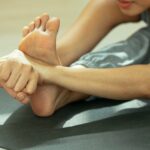
- Wrap a towel around the heel, forming a gentle sling.
- Flex your foot while gently pulling the towel back, making sure to stretch your toes.
- Hold for 15-30 seconds and repeat as needed.
2. Towel Toe Curls
This exercise helps improve strength in the toes and enhances overall foot muscle tone.
Steps:
- Place a towel flat on the floor in front of you.
- With your feet flat, attempt to pull the towel towards you using your toes.
- Push the towel back to its original position for a complete rep.
- Repeat this combination for 10-15 repetitions.
3. Calf Stretch
These stretches target the calf muscles, helping relieve tension that can exacerbate foot pain.
Steps:
- Stand facing a wall, placing one foot in front of the other (with the toes pointing towards the wall).
- Press your hands against the wall for stability.
- Bend your front knee while keeping your back leg straight. Ensure that your heel stays on the ground.
- Hold for approximately 25 seconds and then switch legs.
- Aim for three repetitions per leg.
4. Soleus Stretch
This stretch is designed to target the deeper calf muscles, enhancing flexibility.
Steps:
- Stand facing a wall with your feet in a staggered position.
- Slowly bend your back knee while keeping your heel on the ground.
- Lean against the wall until you feel a stretch in your calves.
- Hold the position for 15-30 seconds and repeat three times with each leg.
5. Heel Raises
Heel raises are a fantastic way to strengthen the calf and ankle muscles.
Steps:
- Position yourself at the edge of the last step on a staircase.
- Stand tall, with the balls of your feet pressing down while your heels hang off the edge.
- Slowly raise your heels as high as you can and hold for a moment.
- Lower your heels back towards the floor without letting them touch the bottom step.
- Repeat this motion for 10-15 times.
6. Figure 4 Leg Stretch
This stretch encourages hip flexibility, which contributes to overall foot function.
Steps:
- Lie on your back with your knees bent and feet flat on the ground.
- Cross your right ankle over your left thigh to form a figure ‘4'.
- Gently pull your left thigh toward you, feeling the stretch through your glute and hip area.
- Hold for about 10 seconds, then switch legs.
7. Golf Ball Pick-Ups
This exercise improves dexterity and control in your toes.
Steps:
- Place a golf ball on the floor at your feet.
- Attempt to pick up the ball using only your toes. If this is too challenging, start with a smaller object, like a marble or a washcloth.
- Once you successfully pick up the golf ball, place it in a bucket.
- Aim for 10 pickups per session, gradually increasing as you feel more comfortable.
8. Toe Taps
This simple exercise works to strengthen the muscles in your feet and improve coordination.
Steps:
- Lift all of your toes off the floor while keeping your heels grounded.
- Tap your big toe to the ground while keeping the other toes elevated.
- Switch by keeping the big toe raised and tapping the other four toes.
- Start with 10 taps and gradually work up to 50 taps.
Tips for Success
To maximize the benefits of these exercises, consider the following:
- Footwear Matters: Invest in supportive shoes that provide cushioning and stability. Proper footwear can make a world of difference during your exercises.
- Start Slow: If you are new to exercising, it’s essential to ease into your routine and listen to your body. If something hurts, stop and consult a healthcare professional.
- Consistency is Key: Aim to do these exercises at least three times a week for the best results.
- Seek Guidance: If you're unsure how to perform any of these exercises, consult a physical therapist or a healthcare provider familiar with foot conditions.
Conclusion
Cavus foot can be a challenging condition to manage, but with the right combination of exercises and expert guidance, you can alleviate discomfort and enhance your overall foot health. The exercises outlined in this article focus on strengthening the muscles and improving flexibility, which can mitigate the consequences of high arches. Remember to consult with a healthcare professional before starting any new exercise regimen to ensure safety and effectiveness.
While managing cavus foot may take time and patience, the dedication to improving your foot health can lead to a more comfortable and active lifestyle.