Hydrating Skincare Ideas: Simple Tricks for Dewy Skin in Minutes
Unveil Your Skin's Radiance: The Hydration Revolution
As a cosmetologist and health consultant, I’ve spent years helping individuals understand their skin's needs. One recurring theme I see is a misunderstanding about hydration versus moisture. So, let's dive into how to achieve that coveted dewy, glowing skin.
Understanding Hydration and Moisture: The Dynamic Duo
To grasp the essentials of skincare, think of your skin as a sponge. Hydration represents the water content within that sponge, keeping it plump and elastic. When your skin is well-hydrated, it exudes that fresh, dewy glow.
On the other hand, moisture refers to the oils or creams you apply to create a protective barrier that prevents water from escaping. Picture it like wrapping cling film over a bowl to keep its contents fresh. You need both elements in the right order. If your sponge is bone-dry, simply layering on oil won’t replenish its hydration.
Recognizing Dehydrated Skin: More Common Than You Think
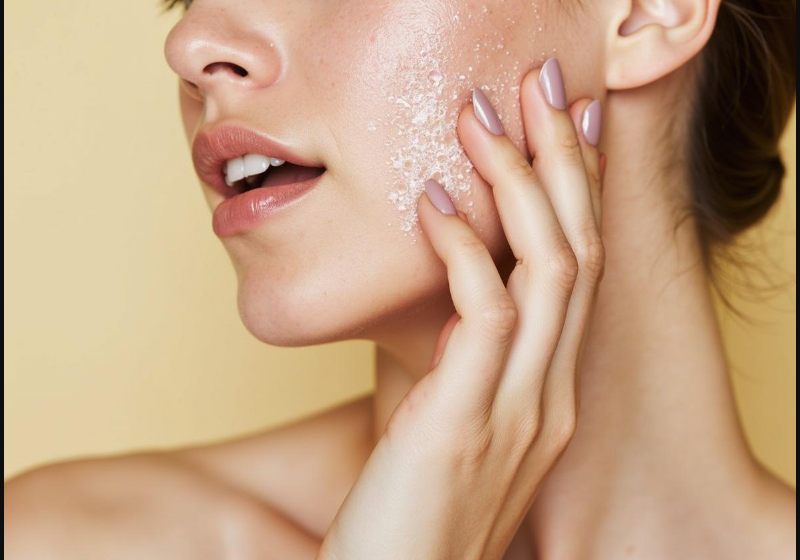
Dehydrated skin is a condition, not a type. It affects everyone, regardless of whether your skin is naturally oily or dry. Understanding the signs of dehydration can help you take actionable steps toward revitalizing your skin. Here are some signs to look for:
- Tightness After Cleansing: If your skin feels uncomfortable shortly after washing, you may be experiencing dehydration.
- Dullness: A lackluster complexion or a greyish tone can indicate insufficient hydration.
- Fine Lines Appearing Suddenly: When skin is plump, these lines are less visible. Dehydration can make them appear more pronounced.
- Flakiness: Persistent dryness, even with moisturizing products, may signal deeper hydration issues.
- Increased Sensitivity: If you notice redness or irritation, it could be a cry for hydration.
- Makeup Issues: If your foundation clings to dry patches, it’s time to reassess your hydration strategy.
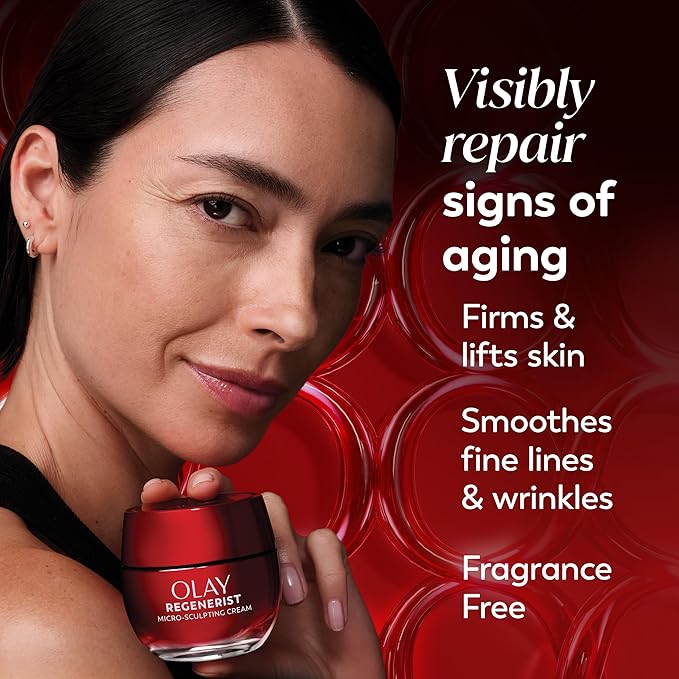
If these symptoms resonate with you, don’t worry—there’s a solution, and you don’t need an expensive serum to achieve it.
Everyday Habits That Rob Your Skin of Moisture
Before diving into solutions, let’s examine the habits that could be working against you.
- Over-cleansing: Washing your face too frequently or using harsh foaming cleansers can disrupt your skin's barrier. If your face feels squeaky clean, it might be too clean.
- Steamy Showers: While they feel fantastic, hot water can strip moisture from your skin. Opt for lukewarm water instead.
- Too Many Active Ingredients: Ingredients like retinol and strong exfoliants are potent but can lead to dehydration if not balanced with hydrating elements.
- Neglecting Humectants: These ingredients draw water into your skin. Without them, your moisturizer may not deliver effective results.
- Low Humidity Settings: Dry environments, whether heated indoors or in dry climates, can rapidly deplete moisture levels.
Natural Ingredients That Provide Real Hydration
Now that we’ve identified what might be working against your skin, let’s explore natural hydrators that genuinely deliver results.
- Aloe Vera: This powerhouse ingredient is loaded with polysaccharides that trap moisture and calm inflammation. Aim for pure aloe gel instead of alcohol-fortified versions.
- Agave Nectar: A vegan-friendly humectant, agave nectar attracts moisture from the environment. It also soothes and mixes well into masks.
- Glycerin: Derived from plants, glycerin is an exceptional humectant that’s budget-friendly. Ensure it comes from a vegetable source for best results.
- Tremella Mushroom: Often dubbed nature’s hyaluronic acid, this mushroom can hold 500 times its weight in water and penetrates deeply.
- Rose Hydrosol: Genuine rose hydrosol, made through distillation, is hydrating and calming. It doubles as a refreshing tonic for sensitive skin.
- Hyaluronic Acid: Sourced from plants, this humectant pulls moisture deep into your skin layers, providing a plumping effect.
- Panthenol: Also known as provitamin B5, panthenol enhances your skin's barrier function and aids moisture retention.
- Oat Extract: This soothing ingredient supports hydration while reinforcing the skin barrier.
- Cucumber: Boasting over 95% water content, cucumber supports skin hydration and collagen production. Fresh juice can serve as an invigorating toner.
Establishing Your Morning and Evening Hydration Routine
Creating a simple yet effective skincare regimen will make a massive difference in your skin’s dehydration levels. Here’s how to do it:
Morning Routine
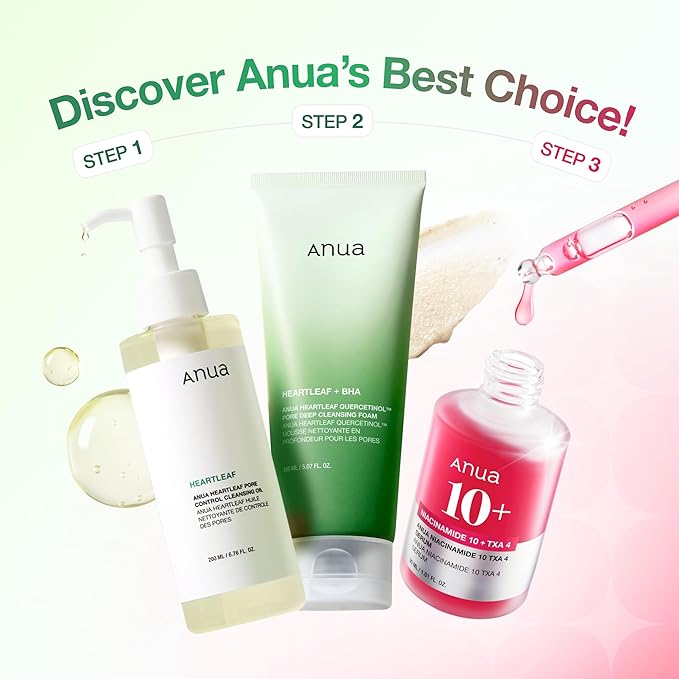
Step 1: Gentle Cleanser
Use a creamy or oil-based cleanser that leaves your skin feeling soft, not tight.
Step 2: Hydrating Toner or Mist
Incorporate rose hydrosol, aloe vera juice, or a DIY glycerin toner. Pat it in while your skin is still damp to maximize absorption.
Step 3: Hydrating Serum
Apply a humectant-rich serum (like hyaluronic acid) onto damp skin for enhanced hydration.
Step 4: Light Oil or Cream
Seal everything in with a few drops of a nourishing oil or a lightweight moisturizer.
Evening Routine
Repeat the morning steps, but feel free to add a treatment oil or a richer cream if desired. This is also the best time to use active ingredients, ensuring you follow with hydration.
DIY Hydrating Toner You Can Make at Home
If you’re interested in making your own hydrating toner, here’s an easy recipe:
- 90ml distilled water or rose hydrosol
- 10ml vegetable glycerin
- 3 drops geranium or lavender essential oil (optional)
Mix these ingredients in a glass bottle, shake before each use, and apply with a cotton pad or directly spritz onto your face.
Hydration from the Inside Out
Remember that skincare is just one piece of the pie. Hydration begins internally. Here are some strategies to enhance your hydration from within:
- Drink Water Regularly: Your skin is the last organ to receive hydration, so keep sipping throughout the day to see benefits.
- Incorporate Water-rich Foods: Enjoy cucumber, watermelon, and leafy greens, all of which help deliver moisture to your skin.
- Focus on Omega-3s: Foods like walnuts, chia seeds, and flaxseed contribute to a healthy skin barrier.
- Herbal Teas: Teas such as dandelion, nettle, and rooibos provide hydration and beneficial nutrients.
- Chia Water: Soaking chia seeds overnight creates a gel-like substance that hydrates both from within and aids digestion.
The Role of a Humidifier
Living in dry environments or spending extended periods in air-conditioned spaces? Consider using a humidifier, especially while you sleep. It can significantly enhance your skin’s hydration.
Five Essential Hydration Rules for Beautiful Skin
Master these five straightforward rules to revolutionize your skin's hydration:
- Apply Hydrating Products on Damp Skin: For maximum efficacy, layer products onto slightly damp skin.
- Never Skip Serums: This is where the bulk of your hydration occurs. Moisturizers are great, but they aren't enough on their own.
- Seal the Deal: Always finish your routine with an oil or cream, even if you have oily skin. This helps retain the moisture you've just worked to incorporate.
- Hydrate Internally: Effective skincare goes hand in hand with internal hydration. Don’t overlook the importance of water and nutrients.
- Be Patient: Transformation doesn’t happen overnight. Consistency is key, so give it time—at least two weeks—to notice the results.
Conclusion
Your path to radiant, dewy skin begins with understanding the importance of hydration and moisture. By educating yourself on your skin's needs, addressing habits that hinder your skin's health, and incorporating the right natural ingredients and routines, you can achieve visibly improved skin.
Remember, achieving that sought-after glow is a journey—not a quick fix. Stay committed to your routine, trust in the process, and you’ll be well on your way to stunning, hydrated skin.
This post contains affiliate links. If you purchase through my links, I may earn a small commission at no extra cost to you. I only ever recommend products I genuinely believe in.
For more practical tips and advice, feel free to explore more articles. Your journey to dewy, glowing skin awaits!