
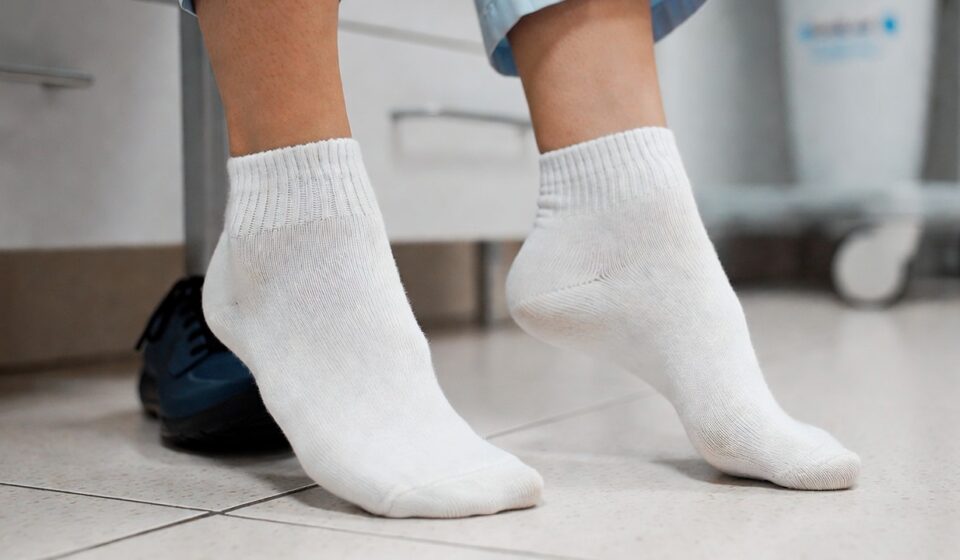
13 Foot Care Tips for a Nurse’s Tired Feet
Essential Foot Care Tips for Nurses: Keeping Pain at Bay
Nursing is one of the most demanding professions, often requiring long hours of being on your feet. A typical 12-hour shift can feel like an endurance test, with nurses standing, walking, and sometimes running on unforgiving concrete floors. Without proper footwear and rest, the risks of foot problems soar. It’s crucial for nurses to prioritize foot health to prevent injuries and discomfort. In this article, we will explore common foot issues nurses face and provide strategies to alleviate pain and maintain foot health.
Common Foot Problems for Nurses
The human foot is a complex structure made up of 26 bones, 33 joints, various blood vessels, nerve endings, and over a hundred muscles and ligaments. This intricate design is under constant pressure during long shifts, leading to numerous potential problems. Nurses frequently encounter issues such as:
- Blisters: Friction from shoes can create painful blisters.
- Corns and Calluses: Thickened skin develops in response to excessive pressure.
- Heel Pain: Often linked to excessive walking on hard surfaces.
- Bunions: A bony bump on the side of the foot caused by pressure.
- Plantar Fasciitis: Inflammation of the tissue that connects the heel to the toes.
- Ingrown Toenails: Poor nail trimming can lead to painful ingrowth.
- Heel Spurs: Bony growths that develop on the heel, often linked to plantar fasciitis.
These conditions often result from prolonged pressure, inadequate footwear, and insufficient foot care.
This post contains affiliate links. If you make a purchase through my links, I may receive a small commission at no additional cost to you. I only recommend products I truly believe in.
How to Prevent Foot Pain for Nurses
Preventing foot pain is vital for nurses to maintain their performance and well-being during long shifts. Here are effective strategies to keep discomfort at bay:
Invest in Quality Footwear
Choosing the right walking shoes is essential. Ideal nursing shoes should offer comfort and support right from the start—there’s no need to “break them in.” Look for shoes that provide ample room for your toes, ensuring no pinching or crowding.
Features to consider include:
- Support based on your foot arch (high, medium, or flat).
- Shock-absorbent soles to cushion your movements.
- Laced designs for personalized fit and support.
- Slip-resistant materials to enhance safety on slick hospital floors.
- Lightweight construction to prevent fatigue during shifts.
Rotate Your Work Shoes
Rotating your shoes is a smart habit that prolongs their lifespan while keeping your feet comfortable. Giving each pair a day off allows them to dry out, which is crucial since feet sweat throughout the day. Moist feet in shoes can lead to fungal infections. Additionally, rotating footwear helps maintain their shape and offers better arch support.
Use Compression Socks and Stockings
Compression socks and stockings can be game-changers for nurses. They enhance blood circulation and reducing leg fatigue. Beneficial for managing swelling, they can also lower the risk of blood clots—especially vital for those who spend long hours on their feet.
Consider Shoe Inserts or Orthotics
Insoles or orthotic inserts can provide an extra layer of support, cushioning, and shock absorption tailored to your foot’s specific needs. Selecting the right design based on your foot type—whether flat, high-arched, or neutral—is crucial for effective support. Foam and gel options can offer wonderful relief from daily stress.
Incorporate Stretching Exercises
Stretching is immensely beneficial for combatting foot pain. Engaging in exercises promotes muscle relaxation, improves blood flow, and enhances the flexibility of your feet. Some effective foot stretches include:
- Golf ball rolls to massage the arches.
- Picking up small objects with your toes for dexterity.
- Toe extensions and curls to strengthen the foot muscles.
Additionally, don’t forget to stretch your entire body to maintain overall mobility and health.
Maintain a Healthy Weight
Excess weight puts additional strain on your feet, contributing to pain and discomfort. By focusing on a balanced diet and regular exercise, you can manage your weight, thereby reducing the pressure your feet endure.
Pamper Yourself with Regular Pedicures
Treating your feet to a pedicure can do wonders for pain relief and maintenance. The massage enhances relaxation, while proper nail trimming helps avoid ingrown toenails. Additionally, a thorough cleaning during a pedicure can eliminate pathogens that may cause infections or bad odor.
Choose Comfortable Footwear at Home
After a long shift, your feet need time to decompress. Opt for slippers or open-toed shoes that provide comfort and allow your feet to breathe at home. Lightweight options also promote circulation, aiding recovery.
Explore Reflexology and Foot Massage
Reflexology can be a powerful tool for foot pain relief. By stimulating pressure points, reflexology promotes relaxation and improves circulation. A good foot massage can target tension in the muscles and ligaments, offering immediate relief.
Stay Hydrated
Hydration is key in preventing muscle cramps during long shifts. Ensure you keep a water bottle handy throughout your day to sip regularly. Well-hydrated muscles are less prone to spasms, particularly when weighed down by long hours on your feet.
Treat Your Feet with Epsom Salt Soaks
Soaking your feet in Epsom salt can be a soothing remedy for sore feet. Rich in magnesium sulfate, Epsom salt can help ease inflammation and promote relaxation. To create your soak:
- Fill a basin with warm water until it reaches your ankles.
- Add one cup of Epsom salt and mix until dissolved.
- Soak for 15-20 minutes, then massage with essential oils if desired.
Aim to repeat this two to three times a week for optimal results.
Try Anti-Fatigue Mats
Anti-fatigue mats are designed to minimize stress on your feet. These soft mats can significantly alleviate discomfort when standing in one spot for prolonged periods. Pair them with supportive footwear for maximum benefit.
Utilize Hot and Cold Water Therapy
Hydrotherapy is a time-tested method for treating pain. Start by soaking your feet in hot water for about three minutes, followed by a quick dip in cold water for 20 seconds. Repeat this cycle three times. The heat encourages blood flow and relaxation, while cold water reduces inflammation and tightness.
Conclusion
As a nurse, dealing with foot pain is often an unfortunate reality, but it's manageable. By following the tips outlined above, you can significantly reduce discomfort and improve your foot health. Prioritize quality footwear that provides ample support, indulge in stretching routines, and maintain a healthy lifestyle. Employers also play a pivotal role by creating supportive environments, such as providing anti-fatigue mats. Together, we can foster healthy feet for a more comfortable nursing career.