
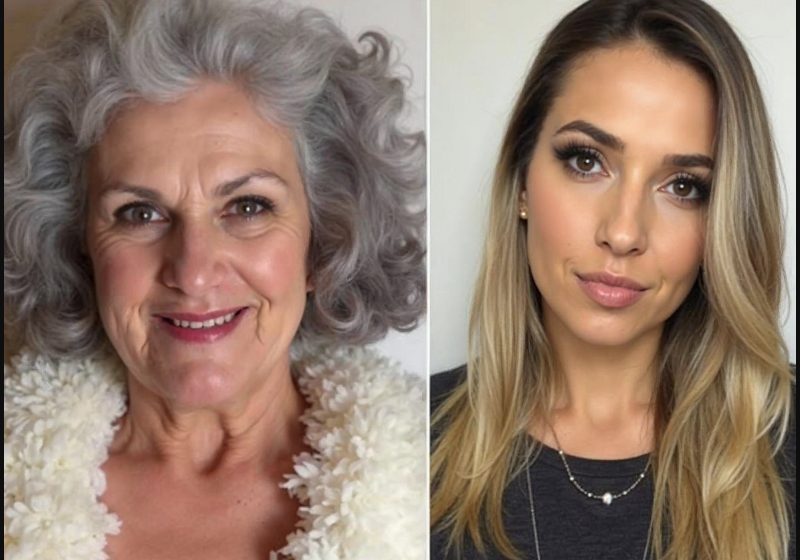
Old Lady Makeup: How to Prep Your Skin Naturally for Flawless Application
The Art of Makeup for Mature Skin: A Comprehensive Guide
As a passionate cosmetologist and health consultant, I've had the pleasure of working with clients across various age groups. One enchanting trend I’ve seen resurfacing on social media is the “old lady makeup” look, which blends vintage glam with modern minimalism. While this trend can highlight the beauty of mature skin, many tutorials overlook one critical element: preparation.
Makeup isn't the only magic; the real transformation begins with an effective skincare routine. Whether you're in your twenties striving to recreate this aesthetic or a fabulous woman in her 50s, 60s, or 70s wanting a look that complements your complexion, proper skincare is essential.
Let’s delve into how to achieve that soft, glowy skin that serves as the ideal canvas for makeup.
This post contains affiliate links. If you purchase through my links, I may earn a small commission at no extra cost to you. I only ever recommend products I genuinely believe in.
Understanding Mature Skin
Changes to Expect
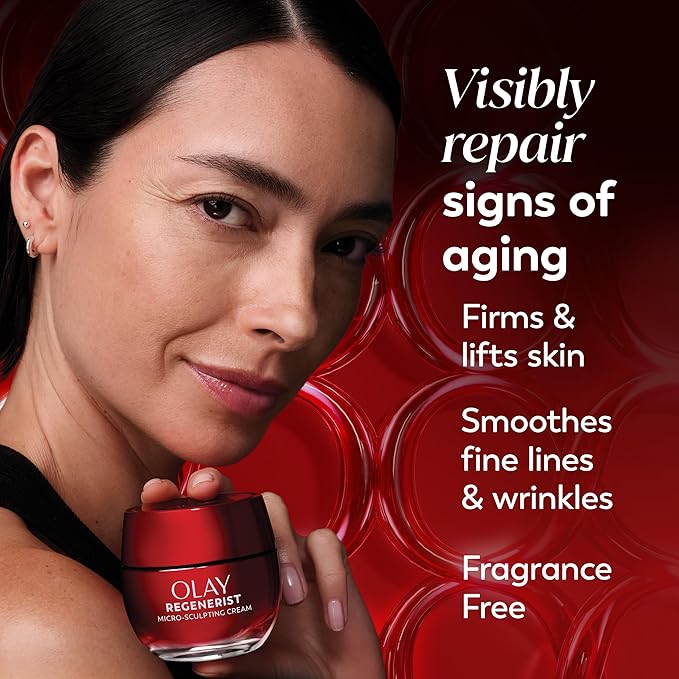
As skin ages, several changes occur that can affect how makeup looks and performs.
Reduced Oil Production: Aging skin produces less sebum, leading to dryness. When foundation is applied to dry areas, it clings to patches instead of blending seamlessly.
Texture Alterations: The skin’s texture becomes thinner over time. Fine lines, enlarged pores, and uneven skin tone may become more pronounced, making makeup less forgiving.
Loss of Plumpness: With age, collagen and elastin decrease, which may cause makeup to settle into lines and creases.
Despite these changes, it’s important to note that aging doesn't diminish beauty; it simply requires a tailored approach to skincare. By treating your skin with care, you allow makeup to enhance rather than conceal your natural texture.
The Essential Three: Hydrate, Smooth, Protect
To achieve a flawless makeup application, focus on these three fundamental areas:
- Deep Hydration
- Plump and hydrated skin makes for a smooth makeup application. When your complexion is dehydrated, products may cling rather than glide. Start with proper hydration.
- Smooth and Even Texture
- Gently exfoliate to remove dead skin cells without causing irritation. This keeps the skin’s surface smooth, allowing makeup to go on effortlessly.
- Healthy Skin Barrier
- A strong skin barrier safeguards against moisture loss and irritation. When well-maintained, makeup won’t cling uncomfortably, and hydration will remain locked in.
Preparing Your Skin: A Step-by-Step Routine
Here’s a straightforward, natural skincare routine I suggest for clients who aim for a flawless makeup look without heavy layers.
Step 1: Gentle Cleansing
Begin with a gentle, hydrating cleanser that won’t strip your skin. Cream or oil-based formulas are your best bet, effectively removing makeup and impurities without leaving the skin feeling tight.
What to Look For:
- Cream cleansers
- Cleansing balms
- Micellar water
Tip: Cleanse in the evening to eliminate makeup and SPF. In the morning, a splash of water may suffice if your skin feels balanced.
Step 2: Hydrating Toner or Essence
This often-overlooked step is crucial. Apply toner or essence on slightly damp skin to lock in moisture before layering on further products.
Ingredients to Seek:
- Hyaluronic acid
- Glycerin
- Aloe vera
These humectants draw moisture into the skin, ensuring a smooth base for makeup.
Application Tip: Gently pat the toner into your skin instead of using a cotton pad, which can waste product.
Step 3: Serum (Optional but Beneficial)
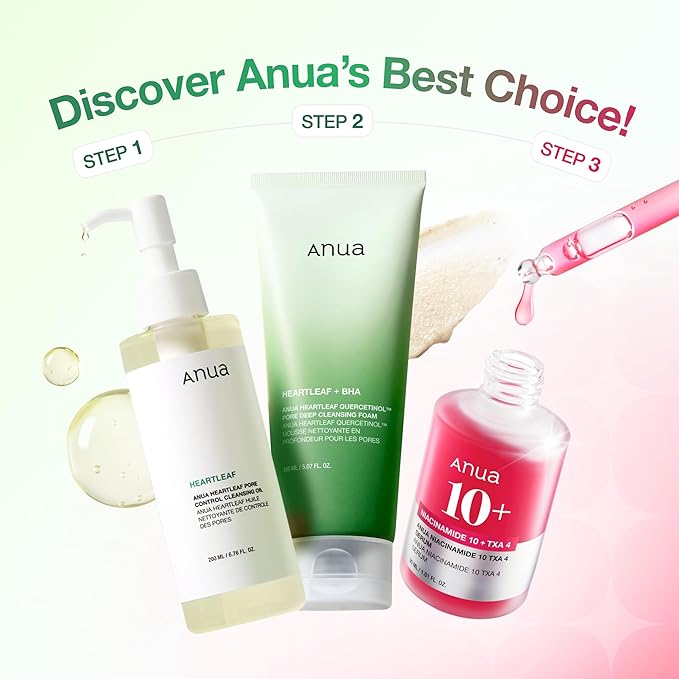
Consider adding a serum for an extra boost. Hyaluronic acid serums are great for plumping, while vitamin C can brighten your complexion.
Simple Selections:
- Hyaluronic acid serum for hydration
- Niacinamide for refining texture and calming redness
Application Tip: Always apply serums to damp skin for optimal absorption.
Step 4: Facial Oil (Yes, Under Makeup!)
Don’t shy away from oils; the right ones can offer a great base for makeup by locking in previously applied products and smoothing the skin.
Recommended Oils:
- Squalane oil for lightweight hydration
- Rosehip oil for brightening and evening skin tone
Application Tip: Use only 2–3 drops, warming them in your palms before pressing gently into the skin.
Step 5: Moisturizer
Seal in the previous layers with a suitable moisturizer. Opt for richer formulas with shea butter, ceramides, or peptides for mature skin.
For Combination Skin: Consider lightweight gel-creams that offer hydration without excess oil.
Tip: Allow moisturizer to absorb for 2–3 minutes before applying makeup.
Step 6: Sunscreen
Regardless of the weather, use SPF. UV damage accelerates skin aging and can undermine all your hard work.
What to Look For:
- Mineral or chemical, depending on preference
- No white cast and compatibility with makeup
Tip: Give sunscreen a few minutes to set before applying primer or foundation.
Step 7: Primer (If Necessary)
If your skincare prep is effective, primer may not be needed. However, a hydrating primer can provide an extra layer of smoothness for long wear.
What to Avoid: Steer clear of silicone-heavy products that might clog pores.
Key Ingredients for Optimal Skin Prep
Focusing on effective ingredients can dramatically impact your makeup application.
- Hyaluronic Acid: Known for its moisture retention properties, it temporarily plumps skin and smooths fine lines.
- Glycerin: Another humectant that draws in moisture, enhancing texture.
- Squalane: Mimics skin's natural oils—great for mature skin.
- Rosehip Oil: Rich in vitamins, it brightens over time and nourishes the skin.
- Aloe Vera: Soothes and hydrates, perfect for sensitive skin.
- Niacinamide: Improves texture and reduces redness, making skin appear even and calm.
Common Mistakes That Ruin Skin Prep
To ensure a seamless makeup application, avoid these pitfalls:
Harsh Exfoliation: Stripping your skin can exacerbate dryness and sensitivity. Choose gentle methods like enzyme exfoliation and limit to once or twice a week.
Neglecting Hydration: Even oily skin can be dehydrated. Always prioritize hydration.
Heavy Matte Products: Full matte coverage can make mature skin appear dull. Opt for luminous or satin finishes instead.
Applying Makeup Post-Exfoliation: Allow your skin to recover overnight after exfoliating; apply makeup the following morning.
Ignoring the Neck: Always extend your skincare routine to your neck; a smooth neck is just as essential for a cohesive makeup look.
Making the Most of Your Makeup
Once your skin is prepped, focus on how to apply makeup that enhances rather than covers:
- Use a Damp Sponge: Blending foundation with a damp sponge can introduce moisture back into your skin for a natural finish.
- Choose Satin or Dewy Foundations: These finishes harmoniously blend into the skin without emphasizing texture.
- Lightly Set with Powder: Focus on areas that genuinely need it, leaving the rest of your face luminous.
- Cream Products: Use cream blushes and bronzers for a seamless and natural look.
Recreating the Vintage Glam Look
This trend celebrates the beauty of naturally aged skin and emphasizes hydration and subtle glow. Here’s how to achieve the look:
- Prep your skin as previously outlined.
- Opt for a lightweight, dewy foundation or tinted moisturizer.
- Add cream blush to the apples of your cheeks for a youthful flush.
- Gently fill in brows with a soft touch, avoiding harsh lines.
- Highlight strategically on the cheekbones and cupid's bow.
- Finish with a glossy or satin lip – no heavy contouring required!
The Final Touch
Makeup should ultimately be a finishing touch that celebrates your skin, not a mask that conceals it. Whether you're 30, 50, or even 80, remember that well-hydrated, smooth, and protected skin is the secret to a beautiful look.
The art of makeup for mature skin lies in enhancing your natural beauty. Focus on preparation, treat your skin with love, and let makeup serve as the charming complement to your story.
Your skin has a unique tale to share. With the right care and preparation, let your makeup illuminate its beauty, enriching the narrative that is uniquely yours.
Love,
Amelia
