

Serious Skin Care: 7 Natural Ingredients I Actually Trust
7 Natural Skincare Ingredients You Can Trust
As a cosmetologist and health consultant, I've spent years formulating and analyzing skincare products. My journey has given me a clear view of the beauty industry and its often misleading marketing claims. Many expensive serums make big promises through stunning packaging and clever advertising, but the truth is that the effectiveness of these products often falls flat. More often than not, the hero ingredient is buried so deep in the list that it contributes little to the overall formula.
If you're tired of investing in products that fail to deliver, you're in the right place. Here, I want to share seven natural skincare ingredients that I trust implicitly. These are the real deal—backed by science, stability, and effectiveness.
This post contains affiliate links. If you purchase through my links, I may earn a small commission at no extra cost to you. I only ever recommend products I genuinely believe in.
What Does “Serious Skincare” Mean?
When I refer to “serious skincare,” I don’t mean complex routines or hefty price tags. Rather, I am talking about ingredients that are supported by research and are effective at concentrations that make a difference. Natural doesn’t equate to unscientific. In fact, some of the most powerful skincare actives come from nature and have substantial clinical backing.
So if you're ready to cut through the noise of marketing jargon and discover what truly works for your skin, let's get started.
How to Use This Guide
You don’t need to incorporate all seven ingredients. Focus on the ones that align with your specific skin concerns. Here’s a quick reference guide to help you decide:
Dullness or Dark Spots
- Try: Vitamin C, Azelaic Acid, Rosehip Oil
Fine Lines or Ageing
- Try: Bakuchiol, Rosehip Oil, Niacinamide
Dryness or Dehydration
- Try: Hyaluronic Acid, Squalane, Centella Asiatica
Redness or Sensitivity
- Try: Niacinamide, Centella Asiatica, Azelaic Acid
Select two or three ingredients that suit your needs, use them consistently, and allow them time to work.
The 7 Ingredients You Can Rely On
1. Niacinamide (Vitamin B3)
What It Does
Niacinamide is a powerhouse when it comes to strengthening your skin barrier. It helps retain moisture while keeping irritants at bay. This ingredient calms redness and inflammation, making it ideal for sensitive skin types. Additionally, it regulates oil production and diminishes hyperpigmentation over time.
Why It Works
This vitamin boosts ceramide production, crucial for maintaining a strong skin barrier. It also inhibits melanin transfer, aiding in the reduction of dark spots.
How to Use It
You can use niacinamide both morning and evening. Look for serums with a concentration of 5 to 10%. For DIY enthusiasts, niacinamide powder is available and can be mixed into your formulas.
What to Look For
Ensure the concentration is between 2% and 10%. Anything lower may not be effective, and higher concentrations may cause irritation.
2. Rosehip Seed Oil
What It Does
Rich in vitamin A, Rosehip Seed Oil acts as a gentle retinol alternative that boosts skin regeneration. It combats scars and sun damage while providing deep nourishment without a greasy feel.
Why It Works
Containing trans-retinoic acid, it promotes cell turnover for brighter skin. The high levels of linoleic acid help balance oil production, making it great for acne-prone skin.
How to Use It
Best applied at night, you can use it alone or mix a few drops into your moisturizer.
What to Look For
Opt for cold-pressed and organic varieties stored in dark glass bottles to protect it from light degradation.
3. Hyaluronic Acid
What It Does
Hyaluronic Acid is renowned for its hydration properties, holding up to 1000 times its weight in water. It not only plumps fine lines but also supports your skin barrier.
Why It Works
As a naturally occurring substance in your skin, Hyaluronic Acid retains moisture effectively. Using various molecular weights can offer both immediate plumping and deeper hydration.
How to Use It
Apply on damp skin for best results and seal it with an oil or moisturizer.
What to Look For
Serums that include multiple molecular weights (low, medium, and high) will provide the best results.
4. Vitamin C (L-Ascorbic Acid or Stable Derivatives)
What It Does
Vitamin C brightens skin tone by fading dark spots and boosting collagen production. It also protects against UV damage as a powerful antioxidant.
Why It Works
It neutralizes free radicals and encourages collagen synthesis, offering firmer, healthier skin.
How to Use It
Use it in the morning to provide antioxidant protection throughout the day. Start with a lower concentration if you’re new to it.
What to Look For
L-Ascorbic Acid is the most effective but least stable; it should be packaged in opaque or dark bottles.
5. Bakuchiol
What It Does
Bakuchiol is a plant-derived retinol alternative that aids in collagen production and cell turnover, reducing fine lines and pigmentation without irritation.
Why It Works
Studies show it activates similar pathways to retinol but with fewer side effects.
How to Use It
It's gentle enough for morning or evening use and can be used during pregnancy.
What to Look For
Concentration should range from 0.5% to 2%, and it should be listed high on the ingredient list.
6. Azelaic Acid
What It Does
Azelaic Acid is a gem for treating acne, fading hyperpigmentation, and providing gentle exfoliation without irritating the skin.
Why It Works
Derived from grains, it effectively inhibits melanin production and reduces keratin accumulation, preventing clogged pores.
How to Use It
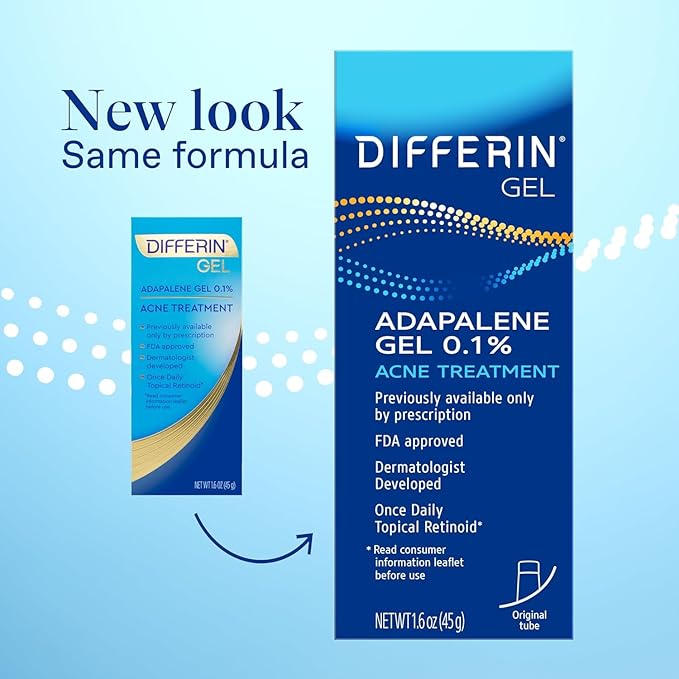
Use it morning or evening, and it can be combined with niacinamide or hyaluronic acid.
What to Look For
Look for a concentration of around 10% for over-the-counter products. Higher concentrations may require a prescription.
7. Centella Asiatica (Cica / Gotu Kola)
What It Does
Centella is known for its healing properties. It calms inflammation, boosts collagen production, and strengthens the skin barrier.
Why It Works
The active compounds in Centella promote collagen synthesis and accelerate skin repair.
How to Use It
Use it day or night, especially after treatments like peels or microneedling.
What to Look For
Opt for whole plant extracts or isolated actives, even in smaller concentrations, for effectiveness.
How to Combine These Ingredients
Understanding how to mix these ingredients can enhance your skincare routine without causing irritation.
Ingredient Pairings
- Niacinamide: Works well with Hyaluronic Acid, Centella, Azelaic Acid, and Bakuchiol.
- Vitamin C: Pairs well with Hyaluronic Acid and Vitamin E but may be used separately from retinol and Bakuchiol.
- Bakuchiol: Complements Hyaluronic Acid, Niacinamide, and Squalane.
- Azelaic Acid: Works with Niacinamide and Hyaluronic Acid but should be used separately from Vitamin C and Bakuchiol.
- Centella Asiatica: Safe to combine with any ingredient.
Sample Routines
Here are a few sample routines tailored to different skin concerns.
For Brightening
Morning: Vitamin C serum, Hyaluronic Acid, Moisturizer/Squalane, SPF
Evening: Azelaic Acid, Niacinamide, Rosehip Oil
For Anti-Aging
Morning: Niacinamide, Hyaluronic Acid, Moisturizer/Squalane, SPF
Evening: Bakuchiol serum, Hyaluronic Acid, Rosehip Oil
For Sensitive Skin
Morning: Centella Asiatica toner/serum, Hyaluronic Acid, Moisturizer/Squalane, SPF
Evening: Niacinamide, Centella Asiatica, Moisturizer
Common Questions
Do I Need All 7 Ingredients?
No, choose 2 or 3 that address your most pressing skin concerns for better results.
Can I Use These if I Have Sensitive Skin?
Yes! Start with gentler options like Centella Asiatica, Niacinamide, or Hyaluronic Acid. Introduce one at a time to observe your skin's response.
How Long Before I See Results?
Expect to see visible changes within 4 to 8 weeks of consistent use, though hydration may be immediate.
Are These Safe During Pregnancy?
Most of these ingredients are safe, but always consult your healthcare provider, particularly regarding Azelaic Acid and Bakuchiol.
Start Simple, Stay Consistent
You don’t need a team of products or a large budget to achieve beautiful skin. A focused routine with just a couple of effective ingredients—and the patience to allow them to work—will yield far better results than a complicated regimen that overwhelms you.
Identify 2 or 3 items from this list that resonate with your skin’s needs and commit to using them consistently. That, my friends, is what serious skincare truly means.
Remember, serious skincare isn't about complexity; it's about transparency, effectiveness, and science-backed ingredients. I hope this guide empowers you to make informed choices in your skincare journey.
Happy glowing!
Love, Amelia
