
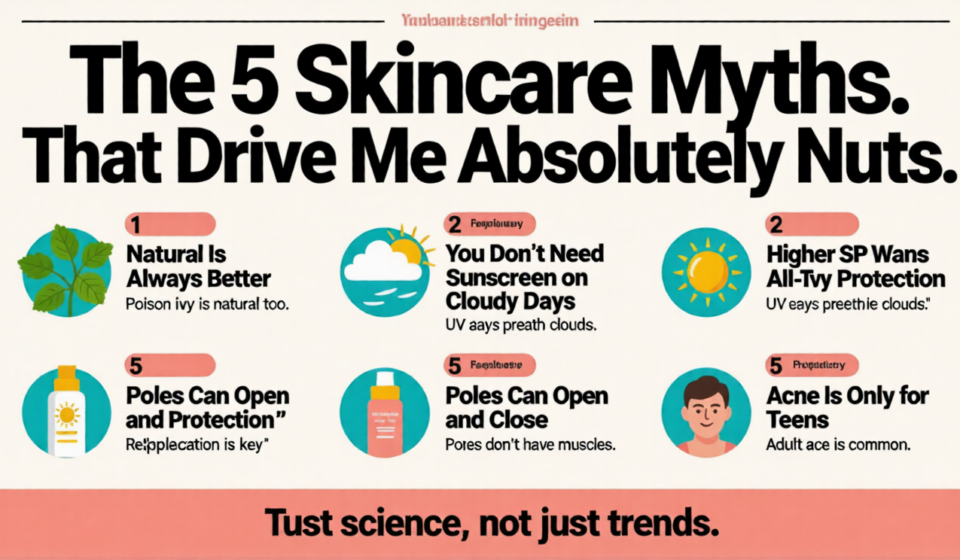
The 5 Skincare Myths That Drive Me Absolutely Nuts
Debunking Skincare Myths: A Guide to Healthy Skin
Hello there! I’m Amelia, a cosmetologist and health consultant dedicated to helping individuals navigate the often overwhelming world of skincare. After years of formulating organic skincare products and witnessing a plethora of misinformation, I've become passionate about setting the record straight. It’s time to cut through the noise and focus on what truly matters for our skin.
This post contains affiliate links. If you purchase through my links, I may earn a small commission at no extra cost to you. I only ever recommend products I genuinely believe in.
So, let’s grab a cup of your favorite beverage and dive into some skincare myths that deserve a serious rethink.
Myth 1: The Skincare Industry Prioritizes Your Skin Health
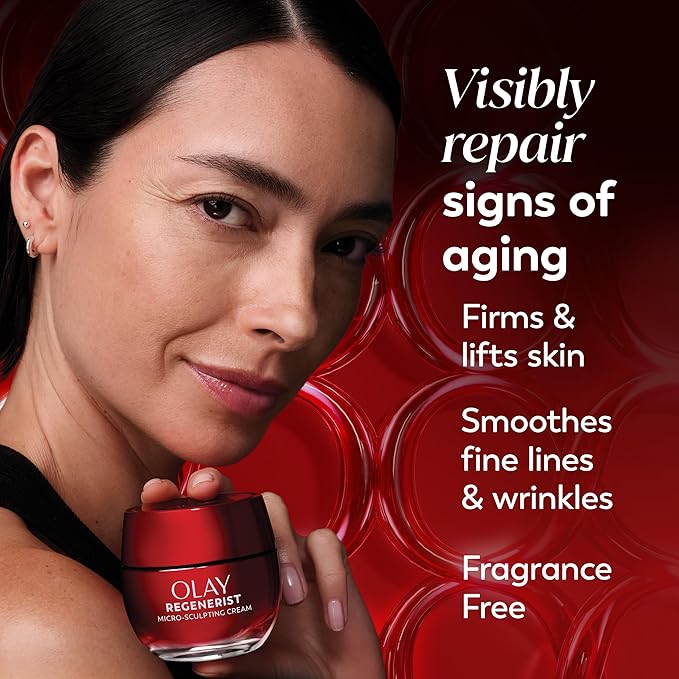
Let’s address the elephant in the room. The beauty industry is more about sales than your long-term skin health. Companies thrive on creating a cycle of endless purchases, compelling you to chase the next miracle product.
The Marketing Machine
Many brands use trendy ingredients in minuscule amounts just to boost their labels. A product might claim to contain hyaluronic acid but might only feature 0.01%, while studies indicate that you need at least 1% to reap any real benefits. This marketing manipulation creates perceived skin issues that didn't exist before.
The Clean Beauty Deception
Then there’s the “clean beauty” trend—a marketing tactic that often charges extra for ingredients your skin doesn’t even need. The reality? Simple, effective formulations have been around for decades and work just fine.
Proven Ingredients That Deliver
Let’s get to the heart of the matter. Here are some tried-and-true ingredients that have proven their worth over time:
Zinc Oxide
A mineral sunscreen filter that shields against UVA and UVB rays. It’s gentle, reef-safe, and remains the gold standard for sun protection.
Bakuchiol
A plant-based retinol alternative known to improve fine lines and skin elasticity without the irritation sometimes associated with retinoids.
Aloe Vera
Renowned for its soothing and hydrating properties, studies support its role in promoting skin healing.
Green Tea Extract (EGCG)
This natural extract boasts strong antioxidant and anti-inflammatory properties, with research highlighting its effectiveness in reducing UV damage.
Rosehip Seed Oil
Packed with vitamins C and A, along with essential fatty acids, this oil helps brighten and improve overall skin health.
These ingredients may not be as glamorous as their trendy counterparts, but they are effective in promoting healthy skin.
Signs of Manipulation
Be vigilant. Here are some red flags to look out for:
- Frequent new product launches with “revolutionary” ingredients
- Before-and-after photos that seem overly edited
- Celebrity endorsements that don’t come from skincare experts
- Claims promising one product will solve all your skin issues
- Limited-time offers, creating urgency to buy
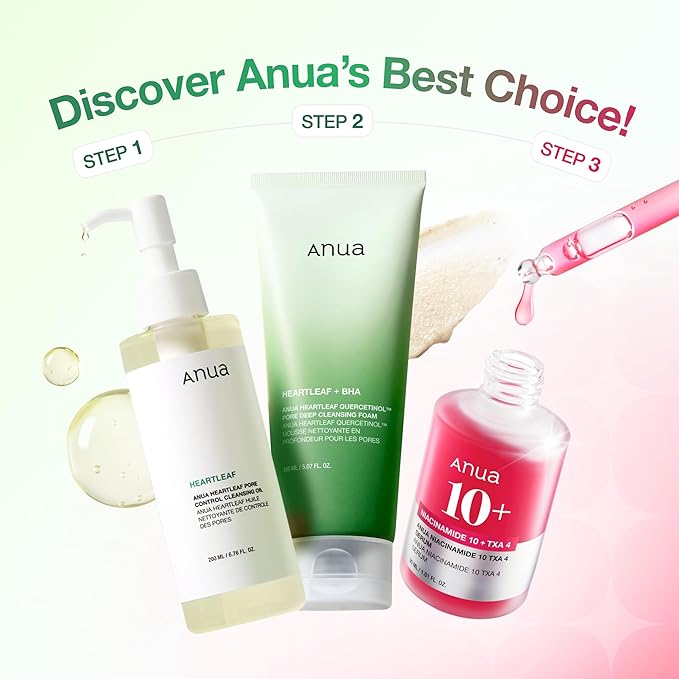
A brand that truly prioritizes your skin will emphasize education and realistic expectations over mere consumerism.
Myth 2: Anti-Aging Means Erasing Wrinkles
The term “anti-aging” is misleading and sets unrealistic expectations about what skincare can achieve.
The Harsh Reality
No cream, no matter the price tag, can erase wrinkles. Skincare helps maintain skin health and can slow certain types of damage but cannot turn back time.
The Disappointment Cycle
Many consumers fall into the trap of purchasing miracle serums, expecting instant results after just two weeks. When they don’t see a transformation, they think they’re doing something wrong.
What Skincare Can Do
Let’s explore what skincare can actually support:
- Prevention: Daily SPF protects against UV damage, serving as your best anti-aging defense.
- Antioxidants: These shield your skin from environmental stressors.
- Moisturization: Helps maintain skin hydration, preventing dehydration lines.
- Gentle Exfoliation: This promotes natural cell turnover, revealing fresher skin.
Realistic Expectations
It’s crucial to accept that while skincare can support and enhance skin health, it cannot replace medical interventions like surgery or injectables.
The Best Anti-Aging Routine
Starting your day with a quality mineral sunscreen is the best preventive measure for maintaining youthful skin. If you’re reading this and think it's too late for you, I assure you: it’s never too late to start protecting your skin.
Myth 3: If It Burns or Tinges, It’s Working
This pervasive myth can be particularly harmful, leading people to believe that discomfort equates to effective skincare.
The Danger of Irritation
That burning or tingling sensation is not a sign of efficacy. Instead, it can be your skin warning you that it’s in distress.
Social Media Influence
Platforms like TikTok have magnified this issue, as many enthusiasts share videos using harsh, damaging ingredients, believing they are effective.
What Healthy Skincare Feels Like
Your skincare routine should feel:
- Soothing during application
- Comfortable within minutes
- Gradually improving over the coming weeks
Avoiding the Mistake
The skin prefers a balanced pH, usually around 5.5. Using overly alkaline or acidic ingredients can lead to irritation or damage.
When Some Tingling Might Be Okay
Mild tingling could be acceptable in specific circumstances:
- Introducing retinoids: Expect some mild tingling, but it should fade within a few weeks.
- Certain vitamin C serums: As long as there's no burning sensation.
- Professional chemical peels: Only done by licensed estheticians.
Yet, those experiences should be mild and not painful.
Myth 4: More Expensive Equals More Effective
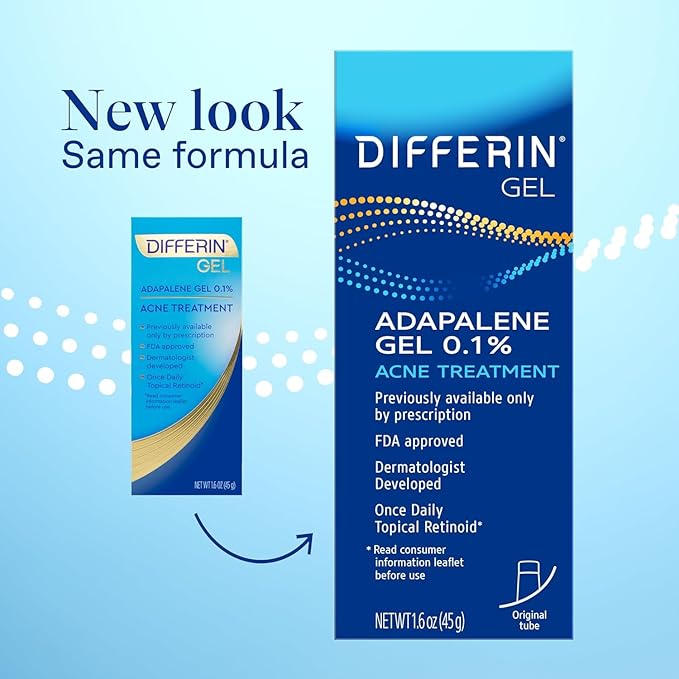
Ah, the belief that a higher price tag guarantees superior results. This misconception is often exploited by the beauty industry.
The Truth About Luxury Products
Many high-priced creams are glorified moisturizers featuring little more than luxury packaging or celebrity endorsements.
The Hyaluronic Acid Reality
Hyaluronic acid is an exceptional hydrating ingredient, able to hold up to 1,000 times its weight in water. You can find effective hyaluronic products at a variety of price points.
Spotting Marketing Hype
Beware of red flags that suggest you might be paying for hype rather than efficacy:
- Exaggerated promises
- Ingredient lists loaded with water and fillers
- Claims that lack robust scientific backing
What You Should Focus On
Learn to read ingredient lists. The first five components usually dominate the product, so if they are mostly fillers, you're likely being wasting your money.
Myth 5: Your Skin Type is Static
Many believe that once they discover their skin type, they’re stuck with it for life. This is far from the truth!
How Skin Actually Changes
Your skin evolves due to factors like age, hormones, seasons, and even stress.
Understanding the Variables
- Age: Oil production decreases as we get older.
- Hormones: Menstrual cycles, pregnancy, and menopause can all dramatically alter skin types.
- Seasons: Many find their skin behaves differently in winter versus summer.
- Stress: Increased stress can lead to breakouts or sensitivity.
Signs It’s Time for a Change
Pay attention to your skin. If products that once worked suddenly irritate or your skin feels different, it might be time for a reassessment.
The Flexible Approach
Rather than cling to a single skin type, think about the current needs of your skin. It might be asking for more hydration, gentle exfoliation, or a fight against oiliness.
The Real Secret to Healthy Skin
After dissecting various myths, let’s simplify.
What Actually Works
- Consistency trumps perfection. A basic routine you follow daily is far more effective than an elaborate one abandoned after a week.
- Gentle products yield better results. Your skin thrives on kindness.
- Protective measures are far more effective than corrective ones.
- Patience is key. Changes take time to manifest.
- Focus on reality rather than marketing illusions. Healthy skin looks authentic, not unrealistic.
Your Action Plan
Ready to take charge of your skincare journey? Here’s a straightforward plan.
Audit Your Routine
Evaluate whether your current routine makes sense for you, or if you’re following trends.
Question Everything
Just because everyone else is trying something doesn’t mean you should, too.
Patch Test New Products
This holds especially true for natural options, which can still produce reactions.
Stick to the Basics
Master cleansing, moisturizing, and sun protection before moving on to advanced treatments.
Listen to Your Skin
If something irritates your skin, stop using it, regardless of its perceived benefits.
Moving Forward
Your skin doesn’t demand perfection. It craves consistency, gentleness, and realism. It doesn’t need to feel pain to be effective; it deserves comfort and protection. Your goal isn’t to mimic someone else’s skin—it's about achieving the healthiest version of yourself.
The beauty industry thrives on creating a belief that skin care has to be complex and expensive, but I'm here to reassure you: it doesn't have to be. Healthy skin is the result of good habits, simple ingredients, and realistic expectations.
Trust your skin. Trust the process. And last but not least, be skeptical of everything you read on social media regarding skincare.
Embrace the journey, and your skin will thank you for it!
Love,
Amelia xx