
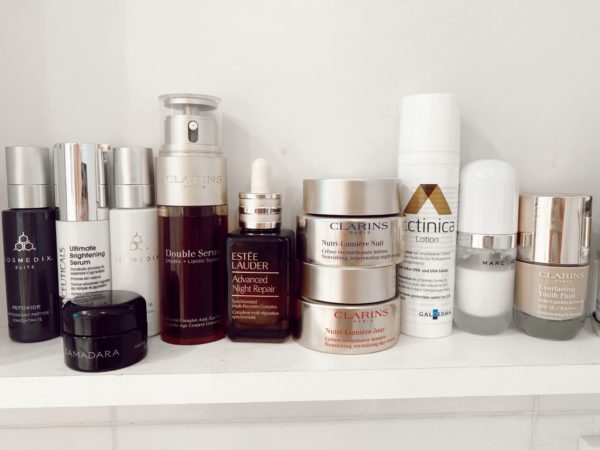
The Correct Order of Skincare Products: Morning & Night Routine Explained
The Importance of Skincare Product Order: Unlocking Your Best Skin
Hello, I’m Amelia, a cosmetologist and health consultant. After years of helping clients achieve their skincare goals, I’ve learned that the order in which you apply your products can make or break your skincare routine. It’s easy to feel overwhelmed by the variety of serums and creams available, but I’m here to clarify the best order to use your skincare products for optimal results.
This post contains affiliate links. If you purchase through my links, I may earn a small commission at no extra cost to you. I only ever recommend products I genuinely believe in.
Why the Sequence Matters in Skincare
Your skin is more than just a protective layer; it’s a complex organ that requires careful handling. When it comes to applying skincare products, the sequence matters significantly, and getting it wrong can hinder the effectiveness of even the most luxurious products.
Absorption Follows Molecular Weight

Understanding the molecular weight of your skincare products is crucial. Water-based products such as serums contain smaller molecules, granting them faster absorption. In contrast, thicker creams and oils come with larger molecules, preventing them from penetrating deeper layers of the skin if applied first. For instance, applying an oil before your water-based serum means that the serum cannot effectively reach your skin, thus wasting your investment.
Actives Require the Right Environment
Active ingredients thrive in specific conditions. For instance, Vitamin C works best at a low pH, while retinol needs to stay close to the skin for optimal efficacy. If you mix up the order, these active components can lose their potency, undermining your skincare efforts.
Protect Your Skin's Barrier
Morning routines serve to shield your skin from UV rays, pollution, and moisture loss, while nighttime routines focus on repair and renewal. The order of application directly affects the health of your skin's barrier. Thus, the sequence is crucial for long-term integrity.
As you grasp these fundamental principles, applying your products in the right order will become second nature.
Morning Skincare Routine: Protect and Prep
The goal of your morning routine is to prepare your skin for the day ahead. Here’s a straightforward guide for the correct sequence to follow:
Step 1: Cleanser
Start off with a gentle cleanser to remove the oils and debris that accumulated overnight. A light cream cleanser or micellar water will suffice for most skin types. If your skin feels comfortable, you can even skip this step and go directly to toner.
Step 2: Toner
Next, use a toner to replenish your skin’s moisture and restore its pH balance. Seek hydrating formulas featuring ingredients like glycerin or aloe. Avoid toners with alcohol or harsh astringents as they can strip your skin.
Step 3: Serum (Vitamin C, Niacinamide, Hyaluronic Acid)
At this stage, apply your chosen active treatment. Vitamin C is an excellent morning companion due to its brightening and protective qualities. If your concern centers on oil production or redness, niacinamide is an alternative worth considering. Always apply your serum while your skin is still slightly damp from the toner to enhance absorption.
Step 4: Moisturizer
Lock in the benefits of your earlier products with a suitable moisturizer. Even if you have oily skin, a lightweight gel or lotion can seal in hydration while preparing your skin for sunscreen. Allow a minute or two for absorption.
Step 5: Sunscreen
Sunscreen is non-negotiable; it should always go on last. Apply a broad-spectrum SPF 30 or higher to safeguard your skin throughout the day. Mineral sunscreens like zinc oxide sit atop the skin, while chemical sunscreens absorb UV rays. Their efficacy relies on proper order, so don’t skip this essential step.
Morning Routine Summary:
- Cleanser (or splash of water)
- Toner or hydrosol
- Serum (Vitamin C, Niacinamide, Hyaluronic Acid)
- Moisturizer
- Sunscreen
Nighttime Skincare Routine: Repair and Renew
Your nighttime routine is all about nourishing your skin while you sleep. Follow these steps for optimal results:
Step 1: Double Cleanse

Begin with an oil-based cleanser or balm if you've worn makeup or sunscreen during the day. Follow it up with a gentle water-based cleanser to eliminate any residual impurities. If you go makeup-free, a single cleanse will suffice.
Step 2: Toner or Essence
Like in the morning, toner at night helps restore balance. Consider a more active toner with gentle AHAs or a soothing essence for added hydration.
Step 3: Exfoliant (2-3 Times a Week)
If you're incorporating exfoliation into your routine, use it after toning. Chemical exfoliants can effectively resurface the skin, but remember to limit this to a maximum of two to three times weekly.
Step 4: Serum or Active Treatments
This is the prime time for your most potent actives like retinol or peptides. Retinol is ideal for anti-aging, but be mindful of sensitivity, especially if you're new to it. Avoid using retinol on nights when you've exfoliated.
Step 5: Facial Oil
Apply facial oil after your serums but before your moisturizer. Use it to lock in hydration. If your facial oil is lightweight, it can go on top of your moisturizer.
Step 6: Moisturizer or Night Cream
Finally, finish with a rich moisturizer or night cream. Your skin can absorb heavier textures better while you sleep, so feel free to layer it on. Look for nourishing ingredients like ceramides and shea butter.
Night Routine Summary:
- Oil-based cleanser (if applicable)
- Water-based cleanser
- Toner or Essence
- Exfoliant (2-3 times a week)
- Serum or active treatment (retinol, peptides, or niacinamide)
- Facial oil
- Moisturizer or night cream
Common Skincare Mistakes and How to Avoid Them
Despite your best intentions, it’s easy to make mistakes. Here are the most frequent layering errors:
Mistake: Applying Oil Before Serum
Why It's a Problem: Oils create a barrier that prevents your water-based serums from penetrating your skin.
The Fix: Always apply serums on damp, clean skin, and add oils afterward.
Mistake: Skipping Sunscreen
Why It's a Problem: Without sunscreen, all your efforts to improve skin health can be undone by UV damage.
The Fix: Sunscreen should be the final step in your morning routine—no exceptions.
Mistake: Over-exfoliating
Why It's a Problem: Daily exfoliation can strip your skin, leading to sensitivity and breakouts.
The Fix: Aim for exfoliating 2-3 times a week and skip retinol on those nights.
Mistake: Mixing Retinol and Vitamin C at Night
Why It's a Problem: Layering powerful actives can lead to irritation.

The Fix: Keep Vitamin C for morning use and reserve retinol for nighttime.
Mistake: Not Waiting Between Steps
Why It's a Problem: Some active ingredients require time to absorb.
The Fix: Give 1-2 minutes between each product to maximize efficacy.
Tailoring Your Routine to Your Skin Type
Not all skin is the same. Customizing your approach based on skin type can make a significant difference in effectiveness.
For Dry Skin
Focus on hydration and barrier repair.
Morning: Hydrating toner, hyaluronic acid serum, rich moisturizer, and SPF.
Night: Double cleanse, toner, nourishing oil (like rosehip), and thick night cream.
For Oily or Acne-Prone Skin
Keep it light and active.
Morning: Gel cleanser, niacinamide serum, light moisturizer, and SPF.
Night: Double cleanse, salicylic acid toner (2-3 times a week), retinol or niacinamide serum, and lightweight moisturizer.
For Sensitive Skin
Apply a gentle, minimalist approach.
Morning: Micellar water or gentle cleanser, chamomile hydrosol, soothing serum (oat or centella), and calming moisturizer topped with mineral SPF.
Night: Gentle cleanse, hydrating toner, nourishing oil, and fragrance-free cream.
For Mature or Aging Skin
Prioritize active ingredients and rich hydration.
Morning: Gentle cleanser, Vitamin C serum, peptide moisturizer, and SPF 50.
Night: Double cleanse, retinol serum (or bakuchiol if sensitive), facial oil, and a rich night cream with ceramides.
Layering Natural and DIY Skincare Products
For those who prefer natural ingredients or DIY skincare, the same sequence principles apply with some modifications.
- Hydrosols can replace toner and serve as gentle, pH-balancing toners suitable for all skin types.
- Aloe Vera Gel can act as a lightweight serum or mixed with a few drops of oil for a custom moisturizer.
- Botanical Oils should always be applied after water-based layers to avoid blocking absorption.
Frequently Asked Questions
Should I Use Toner Daily?
Absolutely, if your toner is hydrating. If it contains alcohol, skip it, but otherwise, toners help with absorption, especially in dry climates.
Should I Apply Oil Before or After Moisturizer?
Generally, after your serum. If your moisturizer is thicker, apply the oil afterward.
Can I Use Retinol and Vitamin C Together?
It's best to avoid using them at the same time. Use Vitamin C in the morning for its UV protection benefits and retinol at night for cell turnover.
How Long Should I Wait Between Steps?
For most products, 30 seconds to a minute is sufficient, but for stronger actives, wait a little longer.
Do I Need a Separate Eye Cream?
Not necessarily. If your face moisturizer is gentle enough, it can often be used around the eyes.
Can I Skip Moisturizer if I Use Facial Oil?
No. Oils lock in moisture but do not hydrate alone. You still need a water-based layer to keep your skin hydrated.
Final Thoughts: Consistency Over Complexity
Achieving great skin doesn't require a convoluted regimen. Focus on the right steps, in the right order, and be consistent. If you desire a simpler approach, check out streamlined skincare routines that work.
Begin simply and grow your routine slowly. Pay close attention to your skin’s responses. If a product causes discomfort, stop using it, regardless of its popularity. Remember that skincare is highly personal—what suits one person may not work for another.
Once you grasp the logic behind layering products, you’ll navigate your skincare routine with confidence. You’ll know exactly how to incorporate new products without second-guessing yourself.
Love,
Amelia xx