Why Your Skin Keeps Flaring (Even With the ‘Right’ Products)
Understanding the Root Causes of Red, Irritated Skin
As a cosmetologist and health consultant, I've spent years helping clients navigate the complex world of skincare. One issue that frequently surfaces, and often leads to frustration, is persistent redness and irritation. It's a topic that's crucial but frequently overlooked in discussions about skincare.
In this article, we'll explore the deeper issues behind red, irritated skin, offering insights and actionable steps to help you reclaim your complexion. Whether you've switched products countless times, or your skin seems erratic, let's dive into the true triggers behind these flare-ups.
The Mystery of Persistent Skin Flare-Ups
Does this sound familiar? You stick to a well-researched skincare routine, yet your skin continues to react negatively. Perhaps you've blamed hormones, stress, or that new cleanser you just had to try. The truth is, the root of your skin's issues might be more profound than the surface-level solutions you've been led to believe.
The Cycle of Skin Reactions
It's worth noting that most skincare advice tends to end at a surface level, providing calming serums as the quick fix for redness or breakouts. While these products can provide momentary relief, they usually don't address the underlying causes of irritation.
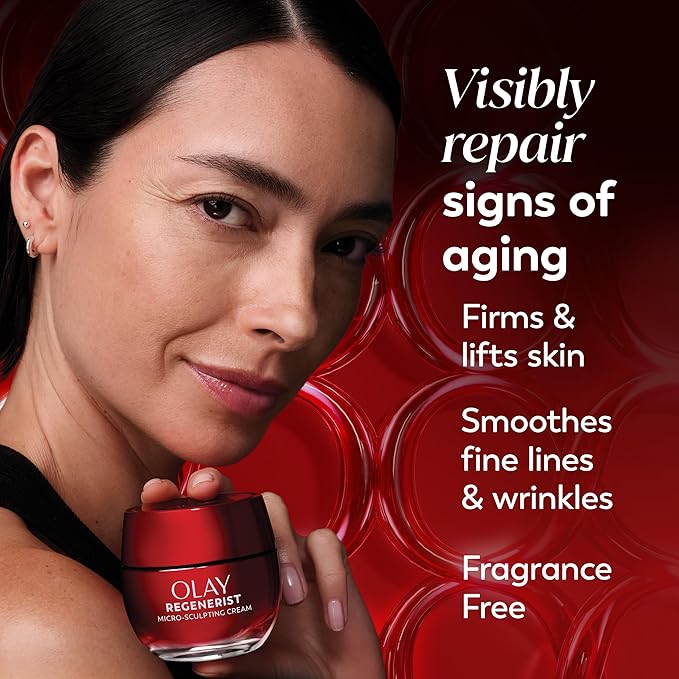
In my time as an organic skincare formulator, I’ve witnessed how the skincare industry often capitalizes on this unending cycle of reactivity. Calming creams and anti-redness serums are popular because they promise immediate results. Yet, if you’re stuck in a loop, it’s time to delve deeper.
What’s Happening Beneath the Surface?
When your skin flares—whether it's redness, breakouts, or irritation—it's an inflammatory response. Your skin's immune system may be reacting to an internal or external stressor. The key isn’t simply treating the symptom; it’s identifying the real trigger.
Internal Stressors: The Impact of Mental Health
One area that doesn't get enough attention in skincare discussions is the connection between mental health and skin condition—inclusive of a field known as psychodermatology. Studies consistently show that chronic stress can change the biology of your skin.
A 2025 narrative review published in Cureus found that prolonged psychological stress negatively affects skin functionality. Stress releases cortisol, a hormone that compromises your skin’s barrier function, elevating water loss and inflammatory responses. In plain language, a stressed-out nervous system can make it nearly impossible to achieve healthy skin, regardless of how high-quality your moisturizer is.
Cortisol and Skin Health
What does cortisol do to your skin? The effects can be profound:
Reduced Lipids and Proteins: This leads to dryness and a tight sensation.
Increased Water Loss: Your skin becomes dehydrated, and no amount of moisturizer can fully repair it.
Inflammatory Reactions: You may experience redness, hives, and sensitivity.
Oil Production: Elevated cortisol might also trigger excess oil production, leading to breakouts and congested skin.
Collagen Breakdown: Elevated cortisol can accelerate collagen loss, leaving your skin looking duller and showing fine lines more quickly.
Understanding these elements can provide substantial insight into why you're experiencing red, irritated skin and why simply adding more products to your routine may not yield the desired results.
Emotions and the Skin Connection
Returning to the topic of emotional health, it's important to recognize that unprocessed emotions can manifest on your skin. Think about it: the body holds onto feelings, and the skin often becomes the canvas for unresolved issues.
For example, feelings of grief or anger that go unexpressed can surface as chronic skin irritation.
The Gut-Skin Axis
Another crucial aspect is the gut-skin axis. A 2025 review in the International Journal of Molecular Medicine confirmed that the gut microbiome plays a significant role in skin health. An imbalance in your gut can lead to inflammatory skin conditions like acne and eczema. Your internal health has a direct impact on how your skin appears and behaves.
Lifestyle Factors That Affect Skin Health
Let’s tackle some everyday elements that can influence your skin’s health.
Sleep
Sleep is crucial for skin regeneration. During deep sleep, your body produces growth hormone that supports cell repair and collagen production. Lack of sleep elevates cortisol, which compromises your skin barrier and may trigger flare-ups in conditions like eczema and rosacea.

Here’s a quick comparison of how sleep impacts your skin:
| Good Sleep (7–9 hrs) | Poor Sleep (Under 6 hrs) |
|————————–|——————————-|
| Growth hormone surges for cell repair | Suppressed, cutting short repair cycles |
| Cortisol levels drop significantly | Elevated, keeping the barrier in stress mode |
| Collagen production peaks | Reduced, leading to faster aging |
| Skin barrier strengthens | Remains leaky and reactive |
| Inflammation calms | Remains heightened |
Nutrition
What you consume also plays a crucial role in managing inflammation. Consistently eating a diet rich in processed foods and low in omega-3s, antioxidants, and fibers can set the stage for continuous internal inflammation. The skin can't easily heal when your internal environment is under duress.
Daily Rhythms
Finally, consider your everyday rhythms. Your skin responds to routine, and erratic schedules can keep your body in a constant state of alert. Stressors pile up, leading to more inflammation and skin issues.
Approaching Skin Health Holistically
Here are several actionable steps to better manage red, irritated skin that digs deep into lifestyle factors rather than only surface-level products.
1. Track Your Flare-Ups
Create a “life diary” instead of just a skincare diary. Note not just the products you're using but events in your life, work stress, relationships, and other emotional factors. This will allow you to find patterns in your flare-ups, helping you to identify triggers more effectively.
Your Simple Flare Diary
- Date
- What’s showing up on your skin
- Sleep this week
- Stress level (1-10)
- Big life events/emotions
- Products changed?
Over few weeks, patterns are likely to emerge that provide insight.
2. Look Back Beyond Recent Changes
Inflammation doesn’t appear immediately. What triggers a flare-up can often be traced back several days or even weeks. Pay attention to life stressors—arguments, stressful projects, and sleep disruptions—rather than placing the blame on the latest product you’ve used.
3. Treat Sleep as a Skin Health Priority
Ensure you are prioritizing good quality sleep. The restorative processes that occur during deep sleep are irreplaceable. If sleep is an issue, make it a key focus of your skincare regimen.
4. Process Emotions
Acknowledging your feelings can be uncomfortable, but it's often vital for healing. Unprocessed emotions settle in the body; for many, the skin becomes the canvas they surface on. Consider writing in a journal or having a candid conversation you've been avoiding—it's all part of the healing journey.
5. Nurture Your Nervous System
Invest time and energy into calming practices that support your nervous system. Slow breathing, real rest (not just scrolling through your phone), and spending time outdoors can significantly reduce cortisol levels, promoting a better internal environment for your skin.
6. Simplify Your Skincare Routine During Flare-Ups
When your skin is reactive, adding multiple layers of active products can worsen the situation. Instead, simplify your routine to include a gentle cleanser and a light moisturizer. If you need extra support, opt for one calming product that works well for your skin type.
Conclusion: Your Skin is Not Defective
Ultimately, your skin is not a failure; it is a reflection of your needs and internal conditions. The ongoing flare-ups signify a message that needs to be addressed—one that goes beyond the products you apply.
You don't need to figure everything out at once or overhaul your life overnight. Start with small, manageable changes—track triggers, prioritize sleep, process emotions—and see how your skin responds.
By acknowledging deeper issues rather than resorting to temporary fixes, you’ll create a foundation for more lasting skin health. You deserve more than quick solutions; you deserve to feel at home in your skin.
Love,
Amelia xx
(This post contains affiliate links. If you purchase through my links, I may earn a small commission at no extra cost to you. I only ever recommend products I genuinely believe in.)