
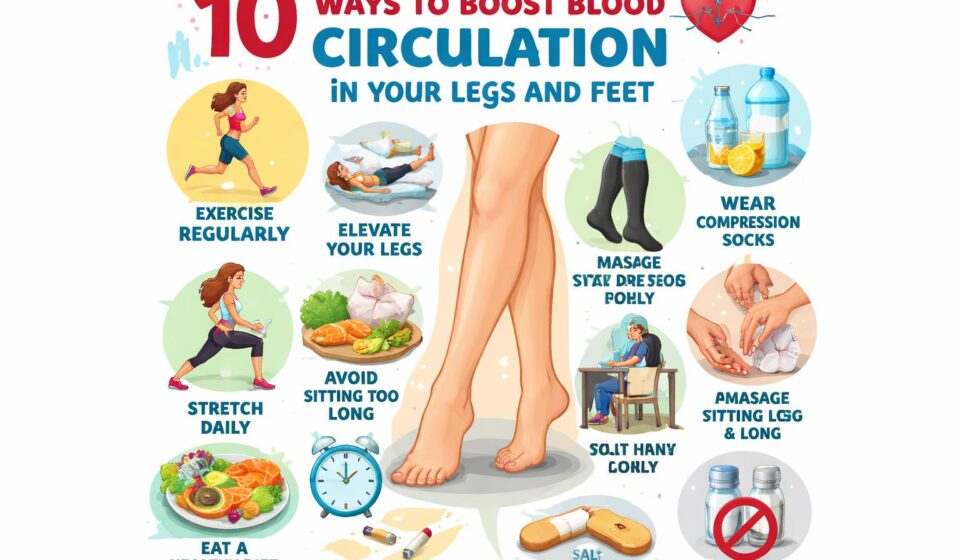
10 Ways to Boost Blood Circulation in Your Legs and Feet
10 Ways to Boost Blood Circulation in Your Legs and Feet
Good blood circulation is essential for overall health. This is especially true for your legs and feet, which often sit furthest from your heart. When circulation is compromised, you might notice symptoms like numbness, tingling, coldness, swelling, or even pain. Over time, poor blood flow can pave the way for serious complications such as varicose veins, deep vein thrombosis (DVT), and peripheral artery disease (PAD). The silver lining is that many simple lifestyle changes can vastly improve circulation to your lower extremities. Understanding how your circulatory system works and actively utilizing these strategies will empower you to support your vascular health.
1. Get Moving with Regular Exercise
Regular physical activity is arguably the most effective way to enhance blood circulation. When you exercise, your heart rate increases, prompting your heart to pump blood more vigorously throughout your body. Not only does this strengthen your cardiovascular system, but it also helps to widen blood vessels, allowing more blood to flow.
The muscle contractions in your legs, particularly the calf muscles, function like a second heart, assisting in pushing blood back towards your heart. Here are some exercise options to consider:
Walking
Walking is a fantastic and accessible starting point. Aim for at least 30 minutes of brisk walking most days of the week. This rhythmic motion engages your calf muscles, which play a pivotal role in venous return.
Cycling
Whether you're pedaling on a stationary bike or outdoors, cycling serves as a low-impact exercise that provides an excellent cardiovascular workout. It promotes robust blood flow to the legs without straining your joints excessively.
Swimming
Swimming is an ideal full-body workout that's gentle on the joints. The water provides hydrostatic pressure, which helps reduce swelling and improve venous return in the legs.
Leg-Specific Exercises
Incorporate targeted movements into your routine, such as calf raises (standing on your toes and lowering your heels), ankle rotations (drawing circles with your feet), and toe wiggles. These small movements can stimulate blood flow in your lower limbs, especially if you have a sedentary job.
2. Stay Well-Hydrated
Water makes up a significant portion of your blood plasma, the liquid component of blood. Proper hydration is vital for maintaining optimal blood volume and viscosity, which affects how easily your heart can pump blood efficiently.
When you’re dehydrated, your blood can become thicker and more concentrated, making it harder for your heart to work efficiently.
How to Stay Hydrated
Aim for eight to ten glasses of water daily. Individual needs may vary based on activity level, climate, and overall health, so listen to your body and drink water consistently throughout the day.
Be mindful of limiting sugary drinks and excessive caffeine. While they may not directly dehydrate you in moderation, these beverages can contribute to fluid loss and make it harder to meet your hydration goals with beneficial fluids.
3. Elevate Your Legs
Gravity can significantly hinder blood from returning from your lower extremities to your heart, particularly if you're sitting or standing for extended periods. Elevating your legs allows gravity to work in your favor, aiding the venous system in draining accumulated blood and fluid.
Techniques for Elevation
To elevate your legs, lie down and prop your feet up above the level of your heart. Use pillows, a wedge cushion, or a recliner to achieve the ideal position. Aim for 15 to 20 minutes at a time several times a day, especially after long periods of sitting or standing.
This simple strategy not only reduces swelling but also improves overall circulation.
4. Consider Compression Stockings
Compression stockings are specialized garments designed to apply graduated pressure to your legs. The pressure is strongest at the ankle and gradually decreases as it moves up the leg.
This external pressure gently squeezes the leg tissues and blood vessels, enhancing the ability of one-way valves in your veins to push blood back toward your heart more effectively.
Consultation Needed
It is advisable to consult a healthcare professional before using compression stockings. They can help determine the appropriate compression level and ensure a proper fit for maximum effectiveness and comfort.
These stockings come in various lengths (knee-high, thigh-high, waist-high) and materials to cater to different needs and preferences.
5. Incorporate Regular Massage
Massage therapy can be an effective way to promote blood flow in your legs and feet. Physical manipulation of tissues encourages the movement of blood through congested areas and can also enhance lymphatic drainage, reducing fluid buildup.
DIY Self-Massage
You can conduct self-massage by using your hands to knead, stroke, and rub your calves, ankles, and feet in upward motions toward your heart. Using lotion or oil can reduce friction and enhance the experience.
Professional Massage
If you're looking for something more thorough, consider visiting a professional massage therapist. They can delve deeper into tissue work and address specific areas of concern, further enhancing circulation.
Useful Tools
Simple tools like foam rollers, massage balls, or even a rolling pin can help with self-massage and make it easier to apply pressure to larger muscle groups.
6. Enjoy Warm Baths or Foot Soaks
Utilizing warmth can have a direct impact on your blood circulation. Warm baths or foot soaks can prompt blood vessels to widen (vasodilation), allowing for improved blood flow. This is particularly soothing after a long day.
Bathing Tips
Ensure the water is comfortably warm but not scalding hot to avoid burns or over-dilation, which may lead to lightheadedness.
To enhance your experience, consider adding Epsom salts or essential oils like lavender or peppermint, which can further support relaxation and circulation.
7. Adopt a Circulation-Friendly Diet
Your diet plays a fundamental role in the health of your circulatory system. Consuming a well-balanced diet rich in specific nutrients helps support healthy blood vessels and reduce inflammation.
Key Nutrients to Incorporate
-
Nitrate-Rich Foods: Foods like beets, leafy greens (spinach, kale, arugula), and celery are rich in nitrates. Your body converts these into nitric oxide, a powerful vasodilator that promotes better blood flow.
-
Omega-3 Fatty Acids: Abundant in fatty fish like salmon and mackerel, omega-3s have anti-inflammatory properties that keep blood vessels flexible and reduce plaque formation.
-
Antioxidants: Berries, citrus fruits, dark chocolate (in moderation), and colorful vegetables are loaded with antioxidants that help protect your blood vessels from oxidative damage.
-
Limit Harmful Substances: Reduce your intake of processed foods, excessive sodium (which can lead to high blood pressure), hard fats, and refined sugars to promote better cardiovascular health.
8. Quit Smoking
Smoking is among the most detrimental habits for your cardiovascular system. Nicotine acts as a vasoconstrictor, meaning it narrows your blood vessels over time. This, combined with the toxic chemicals in tobacco smoke, leads to inflammation and plaque buildup in the arteries, severely restricting blood flow.
Seek Support
Quitting smoking may be challenging, yet it’s incredibly rewarding for your health. Numerous resources, including nicotine replacement therapies and counseling, can assist you in this journey.
9. Manage Underlying Health Conditions
Chronic health conditions like diabetes and high blood pressure can significantly impair blood circulation. Effectively managing these conditions is paramount in improving and maintaining healthy blood flow.
Regular Check-Ups
Stay vigilant with regular medical check-ups and closely follow your doctor's recommendations. Conditions like diabetes and high cholesterol require strict management through medication, dietary changes, and exercise.
For example:
-
Diabetes: Uncontrolled blood sugar levels can damage your blood vessels, leading to complications like neuropathy and peripheral artery disease.
-
Hypertension: Uncontrolled high blood pressure can make your arterial walls stiff over time, impeding blood flow.
10. Avoid Prolonged Sitting or Standing
Staying in one position for long periods, whether it’s sitting at your desk or standing for hours, can significantly inhibit blood flow in your legs. When your muscles are inactive, the natural pumping action needed for venous return diminishes, leading to pooling in your lower extremities.
Actionable Steps
-
Take Regular Breaks: If you work at a desk, make it a habit to get up and walk around for 5 to 10 minutes every hour. Even simple stretches can make a notable difference.
-
Incorporate Movement: Consider ankle pumps and simple stretches throughout your day to stimulate calf muscle action.
-
Shift Your Weight: If your job involves standing for long periods, try shifting your weight from one foot to another or from your heels to your toes. This subtle movement can activate leg muscles and encourage circulation.
Improving blood circulation in your legs and feet is an ongoing commitment that demands consistent effort and a holistic approach to your health. By integrating these ten tips into your daily routine, you can significantly enhance your circulatory health, reduce discomfort, and promote overall well-being.
If you experience persistent symptoms of poor circulation, such as chronic pain, numbness, skin discoloration, or non-healing sores, it's wise to consult a healthcare professional for a personalized diagnosis and tailored advice. Remember that early intervention can prevent more serious complications.
This post contains affiliate links. If you make a purchase through my links, I may receive a small commission at no additional cost to you. I only recommend products I truly believe in.