Essential Foot Care Tips During Pregnancy
Essential Foot Care Tips During Pregnancy
Pregnancy is a remarkable journey that brings joy and anticipation. However, it also introduces a range of physical changes that often go unnoticed. While many people focus on the growing belly or the experience of morning sickness, the health of your feet is equally important. As your body adjusts to extra weight and hormonal fluctuations, your feet go through significant transformations. In this comprehensive guide, we'll explore the reasons why your feet may feel different during this time, common foot-related issues that arise, and practical tips for keeping them comfortable and healthy throughout your pregnancy and beyond.
Why Do Feet Change During Pregnancy?
Understanding the factors that contribute to changes in your foot health can help you navigate this period with greater ease. Here are several reasons your feet might undergo noticeable changes:
Increased Weight
As your little one grows, your body weight naturally increases. This additional weight puts extra pressure on your feet, particularly the arches, leading to fatigue and discomfort.
Hormonal Changes
The hormone relaxin, which facilitates the loosening of ligaments and joints in preparation for childbirth, also influences the ligaments in your feet. This can cause your arches to flatten and your feet to widen, sometimes leading to a permanent change in shoe size.
Fluid Retention (Edema)
Swelling, commonly referred to as edema, is prevalent during pregnancy, especially in your ankles and feet. As your body increases blood and fluid production, the growing uterus can put pressure on veins, impeding blood flow back to the heart and resulting in swelling.
Changes in Gait
The shift in your center of gravity can significantly alter your walking pattern, placing uneven stress on different parts of your feet. This adjustment may lead to discomfort and even pain in specific areas.
Common Foot Problems During Pregnancy
Being aware of potential foot issues can help you take proactive measures. Here are some common problems you might encounter:
Swollen Feet and Ankles (Edema)
Swollen feet and ankles are a frequent complaint among pregnant individuals. While mild swelling is generally normal, sudden or excessive swelling, particularly in one leg, could signal a more serious condition such as preeclampsia or a blood clot. It is essential to consult your doctor if you notice these symptoms.
Arch Pain and Flat Feet
Due to the effects of relaxin and the extra weight, your foot arches may flatten, leading to pain that can radiate to your heels, knees, and back.
Leg Cramps
Leg cramps are a common occurrence, especially at night. These can be quite painful and are often linked to dehydration, mineral deficiencies (such as magnesium or potassium), and the added strain on leg muscles.
Ingrown Toenails
Changing foot shapes, combined with poorly fitting shoes, can increase the risk of developing ingrown toenails, which can be quite painful.
Varicose Veins
Increased blood volume and pressure can lead to varicose veins in the legs and feet, causing discomfort and an achy feeling.
Overheating
Your body temperature may rise during pregnancy, resulting in hot and uncomfortable feet.
Essential Foot Care Tips for Expecting Mothers
Taking proactive steps can make a significant difference in your comfort levels during pregnancy. Here are some effective foot care tips:
Choose the Right Footwear
Comfort is Key:
Selecting comfortable, supportive shoes is crucial during pregnancy. Look for designs that offer good cushioning and arch support. Since your feet might swell, consider getting professionally measured to ensure an appropriate fit.
Low Heels Only:
High heels can exacerbate back pain and disrupt your balance, increasing the risk of falls. Opt for a low, stable heel (1 to 2 inches) or choose flats, which help distribute weight evenly and reduce strain on your feet.
Wide Toe Box:
A shoe with a spacious toe box gives your toes enough room to move. A cramped design can lead to bunions, hammertoes, and ingrown toenails.
Adjustable Fastenings:
Shoes with laces, Velcro, or adjustable straps can accommodate swelling during the day. The ability to adjust your shoes can significantly improve your comfort.
Breathable Materials:
Choose shoes made of breathable materials like leather, canvas, or mesh to prevent overheating and potential fungal infections.
Elevate Your Feet
Whenever Possible, Elevate:
Elevating your feet above heart level can significantly enhance circulation and reduce swelling. Aim to do this for 15 to 20 minutes several times a day, particularly after long periods of standing or sitting. Use pillows or a footstool for added comfort while resting or sleeping.
Stay Hydrated
Drink Plenty of Water:
Keeping yourself hydrated is essential. Water helps to flush out excess sodium and can significantly mitigate fluid retention, which commonly affects pregnant women. Strive for at least 8 to 10 glasses of water daily.
Gentle Foot Exercises
Incorporate Gentle Exercises:
Engaging in gentle exercises can improve circulation, lessen stiffness, and strengthen the muscles in your feet and ankles.
- Ankle Rotations: Sit or lie down and rotate your ankles clockwise and counter-clockwise 10 to 15 times in each direction.
- Foot Pumps: Flex your feet up and down, simulating pressing a gas pedal, 10 to 15 times to assist blood flow back to your heart.
- Toe Curls: Curl and then spread your toes wide, repeating 10 to 15 times. You can also consider picking up small objects with your toes.
- Aim to perform these exercises several times daily, especially during breaks if you'll be sitting or standing for long periods.
Regular Foot Massages
Enjoy a Good Foot Massage:
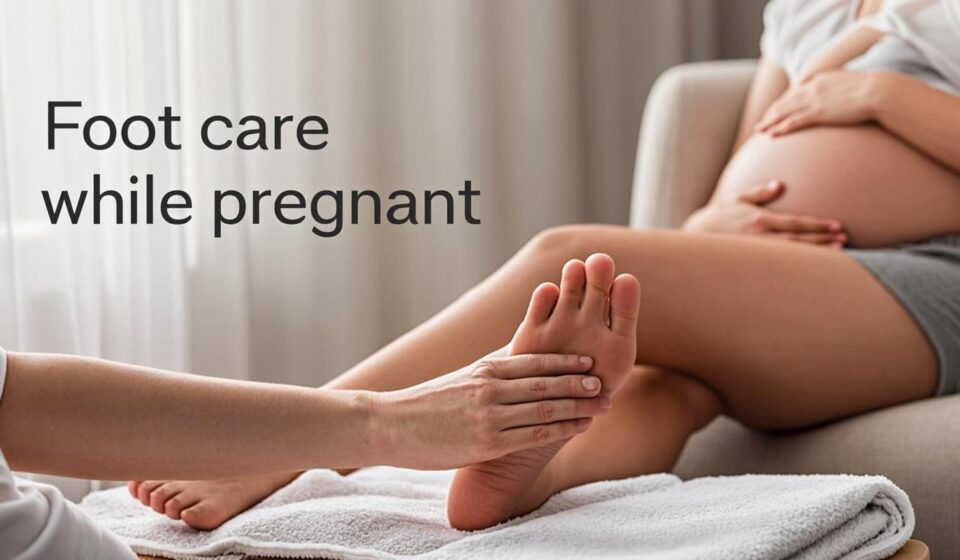
Gentle foot massages can provide immense relief from tension, improve circulation, and reduce swelling. You can either do this yourself or ask your partner for help. Consider using a soothing lotion or oil (safe for pregnancy) and apply gentle pressure, massaging from your toes to your ankles.
Tennis Ball or Frozen Bottle Relief:
Rolling your foot over a tennis ball or a frozen water bottle can be an effective self-massage technique, particularly for your arch and heel.
Compression Stockings
Consider Compression Stockings:
Graduated compression stockings are highly recommended if you experience significant swelling or spend extended periods on your feet. These stockings apply gentle pressure to your legs and feet, helping to prevent blood pooling and reduce fluid buildup.
Timing is Key:
Put on compression stockings in the morning before swelling begins and wear them throughout the day. Consult with your doctor or pharmacist regarding the appropriate compression level.
Soak Your Feet
Enjoy a Cool Foot Bath:
Soaking your feet in cool water can significantly reduce swelling and discomfort. Fill a basin with cool water and soak your feet for 15 to 20 minutes. You might also consider adding Epsom salts for additional relief, but always check with your doctor first, especially if you have any underlying health conditions.
Maintain a Healthy Diet
Eat a Balanced Diet:
Your nutritional intake is crucial for managing healthy weight gain during pregnancy and providing essential nutrients.
Limit Sodium Intake:
Avoid salty foods, as excessive sodium contributes to fluid retention. Focus on fresh, unprocessed foods whenever possible.
Stay Active (With Caution)
Engage in Low-Impact Exercise:
Regular, gentle activities such as walking, swimming, or prenatal yoga can significantly improve circulation and enhance your overall well-being. Always consult your doctor before starting a new exercise regimen to ensure safety for both you and your baby.
Proper Nail Care
Maintain Good Nail Hygiene:
Prevent common issues, such as ingrown toenails, by keeping your toenails trimmed straight across, avoiding curves at the edges, and not cutting them too short.
Seek Professional Help if Needed:
If reaching your feet becomes challenging as your pregnancy progresses, ask your partner for assistance or consider scheduling an appointment with a podiatrist for professional care.
When to Seek Medical Advice
While many foot problems during pregnancy are normal, some symptoms warrant contacting your healthcare provider:
- Sudden or severe swelling, particularly in one leg, could indicate a blood clot (DVT) or preeclampsia, both of which require immediate medical attention.
- Persistent pain that fails to improve with rest and home care.
- Redness, warmth, or tenderness in your feet or calves, which could signify an infection or blood clot.
- Numbness or tingling sensations in your feet.
- Difficulty walking due to foot pain.
- Any other concerns that cause you worry.
Conclusion
Taking care of your feet during pregnancy is an essential aspect of self-care. By understanding the changes your body is going through and implementing these straightforward tips, you can alleviate discomfort, prevent complications, and enjoy a more pleasant pregnancy journey. Remember, your feet are working tirelessly, so give them the attention and care they truly deserve.
This post contains affiliate links. If you make a purchase through my links, I may receive a small commission at no additional cost to you. I only recommend products I truly believe in.