Black Toenail Fungus: Causes, Home Remedies, Treatments and More
Understanding and Treating Black Toenail Fungus
If you’ve noticed a dark discoloration on your toenails, you might be wondering if it’s due to black toenail fungus. It’s crucial to act swiftly; toenail fungus is highly contagious and can easily spread to others if left untreated. But what exactly is black toenail fungus, and how can you identify and address it?
What is Black Toenail Fungus?
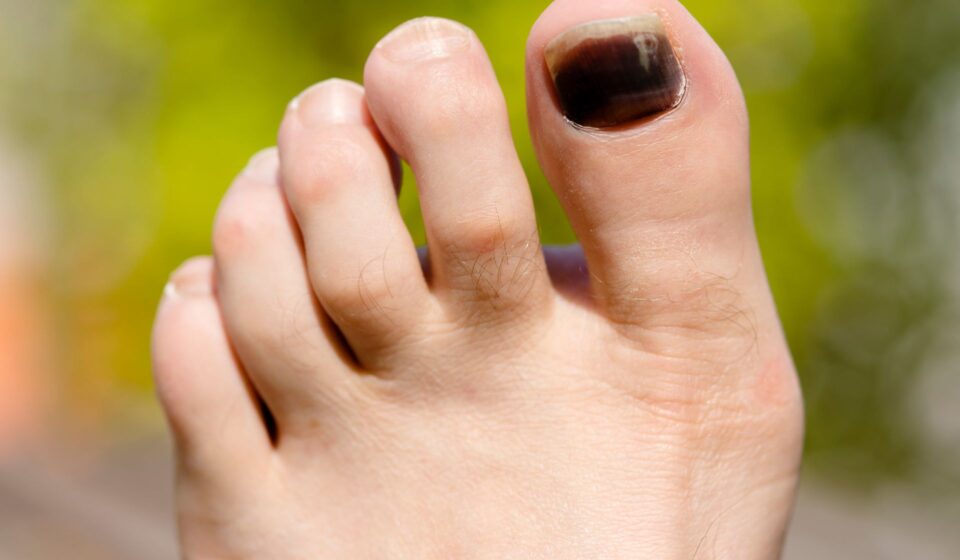
Black toenail fungus is essentially a fungal infection that leads to dark discoloration of the nails. The darker shade you observe could result from several issues, including infections, nutrient deficiencies, or trauma to the nail. Regardless, if fungus is involved, microscopic spores are likely the culprits.
Identifying the Symptoms
Recognizing the symptoms of black toenail fungus can help you take action sooner. Here are some common signs to watch for:
- Flaking or crumbling of the nail
- Thickening of the nail
- Changes in nail shape
- Discoloration ranging from whitish to yellowish-brown
- Accumulation of debris beneath the nail
- A slight, unpleasant odor
If you notice these symptoms, it's essential to evaluate the possible causes of the infection promptly.
Common Causes of Black Toenail Fungus
Before you dive into home remedies and treatments, it's essential to identify what may have led to the development of black toenail fungus. Here are some common factors to consider:
Cutting Toenails Too Short
If you often trim your toenails very short, you might inadvertently create small cuts that fungal spores can invade. This is particularly risky if your feet tend to sweat frequently.
Walking Barefoot in Public Areas
Gyms, public showers, swimming pools, and locker rooms are breeding grounds for fungal infections. If you're walking barefoot in these areas, you increase your risk significantly.
Excessive Foot Sweat
If your feet sweat heavily, this can create an environment conducive to fungal growth, increasing the likelihood of black toenail fungus.
Tight-Fitting Shoes
Wearing shoes that do not allow your feet to breathe can trap moisture, leading to fungal infections. Ensure your footwear is breathable and well-fitted to avoid this issue.
Trauma to the Toenails
Injuries to your toenails—like stubbing your toe or dropping something heavy on it—can lead to darkened nails as they heal. If the nail sustains damage, it may become prone to fungal growth.
Poor Foot Hygiene
Neglecting foot hygiene can lead to conditions that foster fungal growth. It’s important to keep your feet clean and dry to prevent infections.
Weakened Immune System
A compromised immune system can make you more susceptible to fungal infections, allowing them to flourish in your nail bed.
Underlying Health Conditions
Certain health issues, such as diabetes, poor circulation, or skin conditions like psoriasis, can heighten your risk of developing black toenail fungus.
Skin pH Imbalance
Having either overly oily or dry skin can also expose you to black toenail fungus, creating either cracks for the fungus to infiltrate or an overly moist environment for its growth.
History of Athlete’s Foot
If you've previously dealt with athlete's foot, you may be at a higher risk of developing black toenail fungus as it can spread from skin to nails.
Poor Circulation
Weak blood flow can result in foot problems, including fungal infections. If your circulation is compromised, it becomes more difficult for your body to fend off such conditions.
Overuse of Socks and Shoes
Wearing socks and shoes for prolonged periods, especially those that aren't breathable, can lead to excessive moisture build-up, creating a perfect environment for fungal growth.
Prolonged Exposure to Moisture
Repeated exposure to warm and moist conditions increases the likelihood of developing fungal infections in the toenails.
Genetic Predisposition
Fungal conditions can sometimes be hereditary. If a close family member has suffered from toenail fungus, you may also be prone to it.
Aging
As you age, your body’s immune response weakens, making you more susceptible to fungal infections. Additionally, your nails can become more brittle or dry, which can lead to cracking and infection.
Preparing for Treatment
Before you start using topical medications for an infection, there are preparatory steps to ensure the best outcome for nail health:
1. Patience is Key
It can be disheartening to wait for results, especially if you're embarrassed to expose your nails. However, clear your mind of frustrations; success takes time.
2. Gather Necessary Supplies
Have your nail files and clippers ready. Regular trimming and thinning of the nails can relieve pressure and create better penetration for treatments.
3. Cut Your Nails
Keeping your nails relatively short will aid any topical treatments in reaching the affected area more effectively.
4. File Your Nails
To prevent thickening, regular filing is crucial. If nails aren't managed, the topical solutions may struggle to work adequately.
5. Soak Your Toenails Regularly
Soaking can help in eliminating fungal spores. A popular choice for this is apple cider vinegar combined with warm water. You can also try Epsom salt added to the water for enhanced benefits.
6. Cleanse Properly
Employ soap and scrub to keep your feet clean and free from dead skin cells. Regular washing will also help in improving the absorption of treatments.
7. Apply Topical Medication
Follow your physician’s guidelines closely regarding topical treatments. Consistency is essential for effective results.
8. Allow Proper Absorption
After applying treatments, avoid wearing shoes or socks immediately. Give the medication time to absorb into the nail and surrounding skin.
This post contains affiliate links. If you make a purchase through my links, I may receive a small commission at no additional cost to you. I only recommend products I truly believe in.
Effective Treatments for Black Toenail Fungus
A variety of treatment options exist for tackling black toenail fungus. These can be categorized into home remedies, oral medications, topical medications, and professional interventions.
Home Remedies
Tea Tree Oil
This oil is revered for its antiseptic and antifungal properties. Apply it directly to your toenail twice daily for best results.
Apple Cider Vinegar
A highly regarded remedy, apple cider vinegar can be utilized both internally and topically. A potent mixture involves six parts hot water, one part Epsom salt, and one part vinegar for soaking.
Oregano Oil
Oregano oil contains thymol, which has antifungal properties. Apply it to the affected toenails using a cotton swab.
Lavender Oil
Known for its pleasant scent, lavender oil also boasts antifungal capabilities. A few drops on the affected nails before bed can be beneficial.
Coconut Oil
The medium-chain fatty acids in coconut oil are effective against fungi. A thin layer of this oil on the nail can help eliminate infections.
Vicks VapoRub
This commonly used product may provide relief due to its eucalyptus and camphor content. Apply it to the affected toenail once daily.
Listerine Mouthwash
This mouthwash contains antifungal and antibacterial compounds and can be used as a soak for half an hour each day.
Hydrogen Peroxide
Using a diluted solution, hydrogen peroxide is a well-known remedy. Soak your toenails several times a day for best results.
AHA Creams
Alpha hydroxyl acid creams can exfoliate your skin, decreasing the chances of fungal growth.
Baking Soda
Mixing baking soda with warm water can create a paste to apply to your toenails, aiding in fungus elimination.
Oral Medications
Several oral medications claim to assist in fungal nail recovery. Some examples include Sporanox, Diflucan, and Lamisil. Keep in mind that these treatments may have side effects, such as liver damage, and consult your physician prior to use.
Topical Treatments
You can find plenty of over-the-counter topical solutions for toenail fungus like Pur360 Manuka Oil and Fungus Stop. Remember that thinning your nails before application can enhance the effectiveness of these treatments.
Nail Removal
In certain cases, your doctor may recommend removing the toenail to apply antifungal medication directly where it’s needed. This is often a last resort if other treatments fail.
Laser Treatments
Innovative approaches like laser therapy aim to target the fungal infection while preserving healthy tissue. Though promising, these solutions are still emerging, and their efficacy varies.
Dietary Considerations
A balanced diet plays an important role in fighting off fungi. Consider these dietary suggestions:
- Increase your water intake to stay hydrated.
- Steer clear of sugar-laden foods that can feed fungal growth.
- Incorporate foods rich in vitamin C, folic acid, probiotics, and protein.
- Take vitamin B12 supplements to support overall health.
Prevention Tips
Preventing toenail fungus is often simpler than treating it. Keep the following guidelines in mind:
- Regularly trim your nails short.
- Wear shoes that fit properly and are breathable.
- Utilize antifungal powders or sprays to keep your feet dry.
- Avoid going barefoot in communal areas.
- Never borrow nail grooming tools or shoes from others.
When to Consult a Physician
If you notice certain signs, it's advisable to see a medical professional. Signs include:
- Pain or discomfort in the affected area
- Increased tenderness around the nail
- Pus discharge
- Notable red streaks around the nail
- Thickened toenails
- Unusual nail appearance
Understanding black toenail fungus and how to effectively treat and prevent it can make managing the condition much easier. Don't hesitate to visit a healthcare provider for a more accurate diagnosis and treatment plan.