Flat Feet in Children: Types, Complications and Treatment Options
Understanding Pediatric Flatfoot: Insights, Causes, Symptoms, Diagnosis, and Treatment
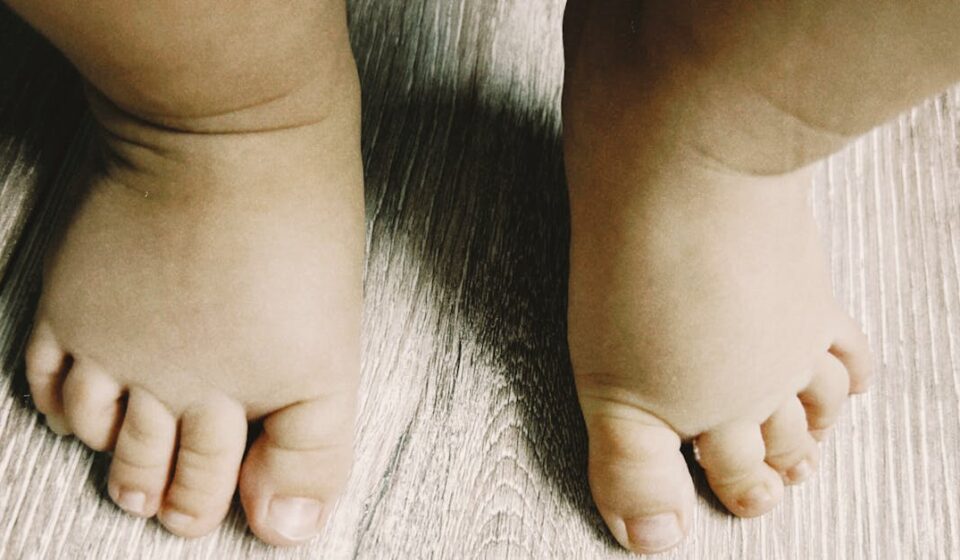
Pediatric flatfoot is a common condition affecting children characterized by fallen arches in their feet. When kids stand barefoot, their entire foot makes contact with the ground, resulting in a flat appearance with no visible arch. This article will delve into the types of flatfoot, potential causes, symptoms to look out for, diagnosis methods, complications, and available treatments.
Types of Pediatric Flatfoot
Flatfoot in children can broadly be categorized into two primary types: flexible flatfoot and rigid flatfoot.
Flexible Flatfoot
Flexible flatfoot is the more common type seen in children. The arch appears to be absent when standing but becomes visible when the child sits or walks on their toes. While many children with this condition outgrow it as they develop and engage in physical activities, some may experience discomfort.
In general, pain is rare, but if a child reports foot pain, it's essential to seek medical advice. A proactive approach with stretching exercises and supportive shoes can help. Most children tend to outgrow flexible flatfoot, but if untreated, it could advance to rigid flatfoot over time. Contributing factors may include genetics, tight foot muscles, or improper footwear.
Rigid Flatfoot
Rigid flatfoot, on the other hand, is a permanent condition that results from joint immobility due to the fusion of bones in the foot. Unlike flexible flatfoot, the absence of an arch is evident whether a child is sitting or standing. While some children are born with this condition, others may develop it due to injury or infection.
Recognizing rigid flatfoot early, preferably at birth, is crucial for effective treatment. This condition may cause pain in targeted foot areas and often requires medical intervention to address any discomfort.
Why Do Flatfeet Develop in Children?
There are several reasons why some children develop flatfoot:
- Genetic Factors: Some children inherit flatfoot from their parents.
- Medical Conditions: Children with Down syndrome have a higher propensity for flatfoot due to muscle laxity. Similarly, those with movement disorders, such as cerebral palsy, may also experience this condition.
- Physical Abnormalities: Bone malformations, weak arches, rickets, muscle diseases, or tendon fusion in the foot can contribute to flatfoot.
Recognizing the Signs and Symptoms of Flatfoot
Identifying flatfoot involves observing physical signs and understanding symptoms a child may feel:
- Visible Signs: Children may exhibit inward rotation of the legs and knees, a common occurrence in severe cases.
- Common Symptoms:
- Discomfort or pain in the feet during activities
- Frequent cramps in the feet
- Tenderness on the soles
- Altered walking patterns
- Difficulty wearing certain types of shoes
- Foot stiffness
- A tendency to seek out being carried or asking for breaks during physical activity
- Clearly sagging arches
- Muscle fatigue after standing for extended periods
- A reluctance to participate in sports or physical activities
How is Pediatric Flatfoot Diagnosed?
If a child is displaying symptoms of flatfoot that worsen or cause pain, consulting a medical professional should be the next step. A thorough examination typically involves assessing the child's foot in various positions—sitting, standing, or walking.
Doctors may observe the foot's shape and functionality, and tests may include standing on tiptoes to see if the arch re-forms. Podiatrists can distinguish between flexible and rigid flatfoot based on these observations. For cases accompanied by pain, X-rays might be taken to evaluate the severity and underlying issues related to flatfoot.
Potential Complications and Effects of Flatfoot
While some children with flatfoot experience little to no complications, others may face significant issues, such as:
- Misalignment of the bones, leading to knee problems
- Bone pain and discomfort during physical activities
- Ankle inflammation
- Weight gain due to inactivity prompted by foot pain, which can lead to obesity and cardiovascular concerns
- Poor posture development
- Reduced physical fitness and exercise capability
Effective Treatment Options for Flatfoot
To alleviate the symptoms and complications associated with pediatric flatfoot, several treatment options are available:
1. Footwear Modifications
Choosing the right shoes can significantly impact flatfoot management. Children with flatfeet should wear supportive footwear designed to help shape the arch. Proper shoes provide stability and aid in keeping feet aligned, addressing inward leg curvature.
2. Maintaining a Healthy Weight
Excess weight can put additional pressure on the feet, exacerbating flatfoot conditions. Encouraging healthy eating and regular physical activity can help maintain a child's ideal weight, reducing strain on their feet.
3. Activity Modifications
Taking breaks from prolonged walking or standing can help mitigate pain. Children should be guided to avoid activities that may worsen their flatfoot condition and to allow for sufficient rest.
4. Use of Orthotic Devices
Inserts or orthotic devices can provide additional support and cushioning for a child's arches. These devices are tailored to fit inside shoes, alleviating discomfort from standing or walking. They come in two types: functional (made from hard materials) and accommodative (constructed from softer materials), both of which serve to relieve pain.
5. Physical Therapy
Physical therapy can assist children in overcoming discomfort associated with flatfoot. A physiotherapist will evaluate the child's feet and recommend targeted stretching exercises to enhance movement and overall foot health. Techniques may include ice applications to reduce inflammation and shoe modifications.
6. Medications
For children experiencing pain with flatfoot, non-steroidal anti-inflammatory drugs (NSAIDs) such as ibuprofen may be prescribed. These medications can help mitigate pain and inflammation, making it easier for the child to engage in daily activities.
When is Surgery Considered?
Surgery may be required if conservative treatment methods fail or if the child is experiencing severe pain. The decision to proceed with surgery often hinges on the type and severity of the flatfoot condition.
For children with rigid flatfoot, surgical options may involve realigning tendons, repositioning the arch, lengthening the heel bone for enhanced support, or inserting implants to better support the foot’s structure. In cases where pain is persistent and significantly impacts a child’s daily life, surgical intervention may provide the necessary relief.
This post contains affiliate links. If you make a purchase through my links, I may receive a small commission at no additional cost to you. I only recommend products I truly believe in.
Final Thoughts
Pediatric flatfoot can appear daunting, but with appropriate intervention, most children manage this condition effectively. Whether through supportive footwear, lifestyle adjustments, or medical treatments, addressing flatfoot proactively can help children lead active and fulfilling lives. Parents should remain vigilant about any signs or symptoms while maintaining an open dialogue with healthcare providers to ensure the best outcomes for their child's foot health.