
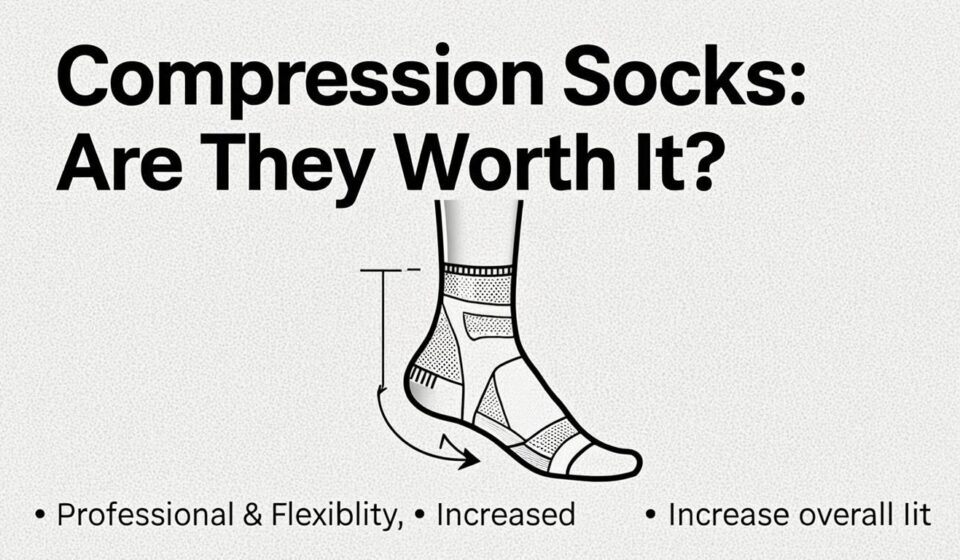
Compression Socks: Are They Worth It?
Compression Socks: Are They Truly Worth the Investment?
In the realm of health and wellness, compression socks have become a hot topic, stirred with a mix of intrigue and skepticism. From athletes searching for performance enhancement to frequent travelers aiming to prevent swollen ankles, these snug-fitting garments promise a myriad of benefits. But the question remains: are compression socks genuinely worth the money? In this comprehensive guide, we will explore what compression socks are, how they function, and who can reap the most advantages.
What Are Compression Socks?
Compression socks are not your typical cotton socks; they are specially crafted hosiery designed to exert gentle pressure on your legs and ankles. This pressure is most intense at the ankle, gradually diminishing as it goes up the leg. This “graduated compression” is what makes them effective. Available in various lengths—such as ankle, knee-high, and thigh-high—and compression levels measured in mmHg (millimeters of mercury), the options can be somewhat overwhelming.
Lower compression levels, like 15 to 20 mmHg, are generally suited for everyday use and mild symptoms. In contrast, higher levels require a doctor's prescription and specialized fitting.
How Do They Work?
The main intent behind compression socks is to enhance blood circulation. Here’s a closer look at the mechanics behind their effectiveness:
Vein Support
Compression socks snugly squeeze the leg tissues and the walls of the veins, which helps to prevent veins from expanding excessively. This tightness aids the one-way valves in your veins to close properly, supporting the upward flow of deoxygenated blood back to the heart against gravity.
Reduction of Swelling
By applying external pressure, compression socks help inhibit fluid build-up in the interstitial spaces—the areas between cells. This process effectively minimizes swelling (edema) in your feet and ankles.
Enhanced Circulation
With improved venous return, blood flow becomes more efficient. This minimizes the pooling of blood in the lower extremities and reduces feelings of heaviness and fatigue in the legs.
Who Can Benefit from Compression Socks?
A diverse group of individuals could find significant value in wearing compression socks. Here are some categories:
Athletes
Whether you’re a runner, cyclist, or involved in any sport, compression socks can help boost performance and recovery. They may provide muscle support, lessen vibrations during physical activity, and enhance oxygen delivery. Post-exercise, they are believed to aid in flushing out lactic acid and reducing muscle soreness.
Frequent Travelers
Long periods of sitting—especially during long flights or car rides—can lead to blood pooling in the legs and an increased risk of deep vein thrombosis (DVT). Compression socks maintain circulation and help ward off swelling.
Those with Medical Conditions
Compression socks serve as a vital tool for various medical conditions:
- Varicose or Spider Veins: They assist in managing symptoms and curtailing progression.
- Edema (Swelling): Effective in diminishing fluid accumulation due to heart failure or kidney disease, but should be used under medical guidance.
- DVT Prevention: Often prescribed post-surgery or for individuals at risk of blood clots.
- POTS (Postural Orthostatic Tachycardia Syndrome): Helps manage symptoms by improving blood return to the heart.
Professionals with Stationary Jobs
Occupation is a significant factor. If you have a job that requires long hours of standing or sitting—like nurses, teachers, retail workers, or office employees—you might experience considerable leg fatigue and swelling. Compression socks can provide necessary support.
Pregnant Women
Pregnancy often leads to an increase in blood volume and pressure on pelvic veins, which can result in swollen ankles and a heightened risk of varicose veins and DVT. Compression socks could offer significant relief.
Post-Surgery Patients
Post-operative swelling and blood clot risk often make compression socks a recommendation for many surgical procedures.
Exploring the Benefits in Detail
The advantages of compression socks extend beyond mere comfort. Here’s a deep dive into their benefits:
Reduced Leg Swelling and Fatigue
One of the primary and most immediate benefits of compression socks is their ability to prevent fluid build-up, leading your legs to feel lighter and less tired—especially after extended periods of standing or sitting.
Improved Blood Circulation
By assisting veins in returning blood to the heart, compression socks promote better overall circulatory health in your lower limbs.
Prevention of Blood Clots
For those at risk, compression socks serve as a crucial preventive measure against serious conditions like DVT, where a blood clot can form in a deep vein, typically in the leg.
Aid in Muscle Recovery
Athletes often wear compression socks post-workout, as many report they reduce delayed onset muscle soreness (DOMS) and expedite recovery. Although research is ongoing, anecdotal evidence suggests their effectiveness in aiding muscle recovery.
Management of Venous Conditions
For individuals with existing varicose veins or chronic venous insufficiency, compression socks are frequently integral to treatment plans, helping to alleviate pain, swelling, and minimize the risk of further damage.
Potential Downsides and Considerations
While compression socks are generally safe, some factors merit attention:
Discomfort and Sizing Issues
Higher compression levels can make them challenging to put on and take off. Some users also report discomfort or find them uncomfortably tight initially.
Heat Retention
During hot days, wearing compression socks might feel warm, which could be a downside for some individuals.
Cost Implications
Quality compression socks often come with a higher price tag compared to regular socks. However, their durability can make them a worthwhile investment over time.
Incorrect Sizing
Wearing socks that are too loose will not provide the intended benefits, while those that are too tight can be harmful, potentially restricting circulation. Accurate measurement and fitting are essential.
Not a Cure-All
Compression socks are designed to manage symptoms, not to cure underlying medical conditions. It is vital to consult a healthcare professional for diagnosis and treatment of serious circulatory issues.
So, Are They Worth It?
Your personal needs and lifestyle will dictate whether compression socks are worth the investment.
For Occasional Use
If you plan to use them for specific situations, like long flights or particularly challenging workouts, even mild compression can offer noticeable relief. In this context, they are certainly worth it.
For Ongoing Conditions
Should you experience chronic swelling, venous insufficiency, or work in environments that necessitate prolonged periods of standing, compression socks can be invaluable. In such cases, they prove highly beneficial, often becoming an essential part of your daily routine.
In essence, if you frequently deal with leg fatigue or swelling or are at a higher risk for circulatory issues due to your lifestyle or medical history, compression socks are undoubtedly worth exploring. They offer a non-invasive, drug-free avenue to support your circulatory health and minimize discomfort.
However, ensure you choose the right size and compression level for your needs. If in doubt—especially regarding higher compression levels or specific medical conditions—always consult your doctor or pharmacist for personalized recommendations and fittings.
Final Thoughts
Overall, when considering compression socks, it's crucial to prioritize your comfort and lifestyle needs. With the right pair, they can be a tremendously beneficial addition to your wellness routine, making a significant difference in your quality of life.
This post contains affiliate links. If you make a purchase through my links, I may receive a small commission at no additional cost to you. I only recommend products I truly believe in. Embrace optimal health and well-being with the right pair of compression socks!