
Do Foot Peel Masks Really Work?
Do Foot Peel Masks Really Work?
Ah, foot peel masks! If you spend time on social media or browsing through beauty aisles, you've likely encountered these intriguing, sometimes off-putting, but always captivating products. They promise to slough off layers of dead, rough skin, unveiling feet as soft as a baby's. But do these foot peel masks live up to the hype? Let’s dive into this beauty trend and investigate the real deal.
What Are Foot Peel Masks?
At their essence, foot peel masks are specialized chemical exfoliants crafted for your feet. They usually come packaged as plastic booties filled with a gel-like solution. This solution typically contains a potent mix of alpha-hydroxy acids (AHAs), like glycolic acid, lactic acid, and malic acid, along with salicylic acid, which is known as a beta-hydroxy acid (BHA). Additionally, many formulations incorporate natural extracts, fruit acids, glycerin, and other moisturizing agents to combat excessive dryness.
The concept is straightforward: slip your feet into the booties for a specified time, allowing the acids to penetrate and break down the bonds between dead skin cells. In the days following, you can expect some fascinating peeling action as the products work their magic.
How Do They Work Their “Magic”?
So how do these masks really operate? Here’s a breakdown of the process:
Acidic Breakdown
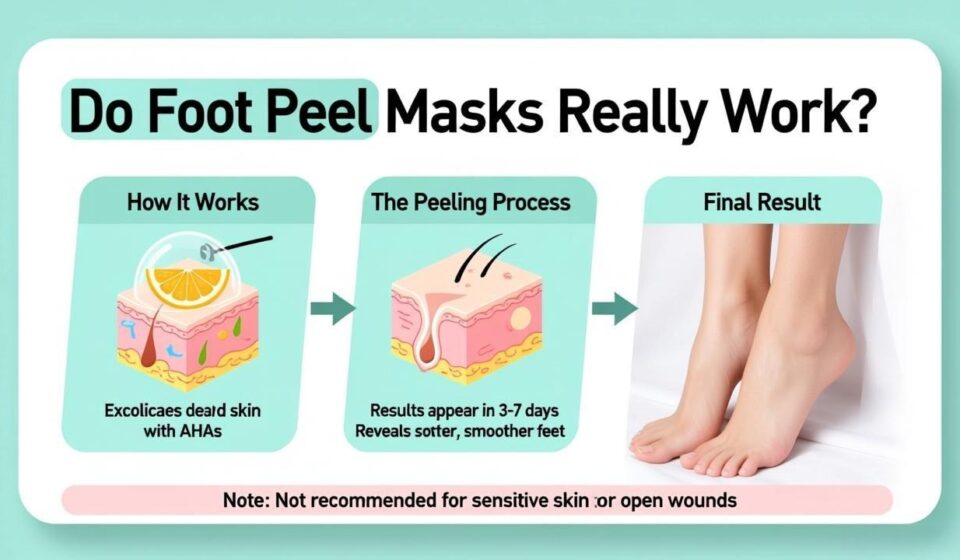
Wearing the booties immerses your feet in a solution full of acids. AHAs and BHAs dissolve the “glue” (desmosomes) that hold dead skin cells together. This separation allows for the hardened and calloused skin to detach from the healthier skin lying beneath.
Penetration
Unlike physical exfoliants, which only work on the surface, these acids dive deeper into the stratum corneum, the outermost skin layer. This deeper penetration targets accumulated dead skin that has built up over time.
Delayed Reaction
Don’t expect instant results. The peeling process does not start right after you remove the booties. Typically, you’ll start to see visible shedding anywhere from three to seven days later. This delay allows time for the loosened skin cells to fully detach and enables your body's natural shedding cycle to commence.
Natural Renewal
As the dead skin begins to peel, it prompts your feet to create new, softer skin cells, resulting in a smoother texture over time.
Do They Really Work? The Verdict
In short: yes! For many people, foot peel masks deliver remarkable results. You can find countless before-and-after photos online, showcasing transformations where thick, flaky skin is replaced by smoother, softer feet. They are particularly effective for:
Dry, Cracked Heels
The acids in foot peel masks can soften and eliminate tough skin on heels, which is often painful.
Calluses
While they may not fully cure severe calluses that need professional treatment, these masks can significantly decrease the thickness and roughness of moderate calluses.
General Roughness
If your feet consistently feel dry and rough, using a foot peel mask can provide a level of exfoliation that traditional lotions or pumice stones may not achieve.
However, it's essential to manage your expectations. Results can differ based on:
- Severity of Dryness: If you have a lot of dead skin, the peel may be more dramatic. Conversely, those with softer feet may not see as intense results.
- Individual Skin Type: Skin reactions vary widely. Some users experience thorough peeling, while others may have more subtle results.
- Maintenance: A foot peel mask is not a long-term fix. Your feet will eventually accumulate dead skin again, especially with regular activity. Most people find they need a touch-up every one to three months.
Potential Side Effects and Considerations
While generally safe, foot peel masks can have side effects. It's crucial to understand when you should avoid them:
Excessive Peeling or Irritation
Some users may experience more peeling than they expected or find their skin feels sensitive after use.
Redness and Sensitivity
Temporary redness or heightened sensitivity might occur due to the acids, especially right after the initial peeling phase.
Uneven Peel
It is possible for some areas to peel more than others, leading to an uneven appearance.
Special Considerations
Certain groups should exercise caution:
- Diabetics: Those with diabetes should steer clear due to heightened infection risks and potential healing issues.
- Sensitive Skin/Skin Conditions: If you have highly sensitive skin, eczema, psoriasis, or any cuts or active infections on your feet, it's best to avoid these masks.
- Pregnancy/Breastfeeding: Consult a doctor before using, as some ingredients may not be recommended during this time.
- Sunburn: Avoid application on sunburned feet, as the skin is already compromised.
Tips for a Successful Foot Peel Mask Experience
If you choose to embrace the foot peel mask trend, here are some tips to enhance your experience and prevent potential pitfalls:
Patch Test
If you have sensitive skin, it's a good idea to cut a small piece of the mask and apply it to a discreet area of your foot to check for any adverse reactions.
Soak Your Feet Beforehand
Soaking your feet in warm water for 20-30 minutes prior to application is recommended. This step can help soften the skin and enhance the efficacy of the acids.
Follow Instructions Precisely
Be sure to adhere to the recommended wearing time. Keeping the mask on longer than instructed won't yield better results and may increase irritation risk.
Be Patient
Patience is key! The peeling process takes time. Don’t feel compelled to pick or pull at the skin, as this can cause irritation or damage. Let nature take its course.
Soak Your Feet Daily (After Initial Application)
Once the peeling begins (or even days after using the mask), soaking your feet in warm water for 15-20 minutes daily can help accelerate the shedding process.
Moisturize After Peeling Completes
Once the peeling phase is over and the new skin emerges, make sure to moisturize regularly to retain that softness.
Wear Socks
During the peeling phase, wearing socks can help manage the shedding and keep loose skin contained.
Avoid Immediate Sun Exposure
Newly exposed skin is more sensitive to sunlight. Protect it by wearing socks or applying sunscreen if your feet will be in the sun.
Don’t Overdo It
Wait at least four to six weeks (or longer) between treatments to allow your skin sufficient time to recover and regenerate.
The Bottom Line
Foot peel masks can be an incredibly effective and satisfying option for achieving irresistibly soft, smooth feet—especially if you struggle with ongoing dryness or calluses. While the peeling process may be somewhat unglamorous, the end results for many are undeniably rewarding.
Just remember to use these masks judiciously, follow the provided instructions, and prioritize your foot health. If you have any doubts, don't hesitate to consult a dermatologist or podiatrist.
This post contains affiliate links. If you make a purchase through my links, I may receive a small commission at no additional cost to you. I only recommend products I truly believe in.
Happy peeling!