Dislocated Toe: Symptoms, Causes, Treatment, and Recovery Time
Understanding Dislocated Toes: Symptoms, Causes, and Treatment
Dislocating a toe is more common than you might think, especially among athletes and active individuals. The injury often results from a sudden impact or awkward movement, leading to not just a sprain but potentially the displacement of the toe’s bone, or phalanx. If you’re concerned about your toes or suspect you may have a dislocation, it’s crucial to distinguish between a sprain, a break, and a dislocation, as the treatment and recovery can differ significantly. Surprisingly, some individuals may confuse these conditions, thinking they have merely sprained or broken their toe when it is actually dislocated. Understanding the signs and symptoms, possible causes, and effective treatment methods will enable you to address a dislocated toe promptly and return to your normal activities.
Signs and Symptoms of a Dislocated Toe
If you suspect that you might have a dislocated big toe, it’s essential to identify the symptoms. The following signs can help you evaluate your condition:
- Swelling: The area around the toe may become visibly swollen.
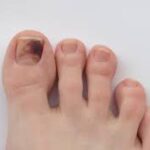
- Bruising: Discoloration can appear due to internal bleeding.
- Intense Pain: You may experience severe pain immediately after the injury.
- Tenderness: Touching the affected toe can cause discomfort or pain.
- Numbness: You might feel a loss of sensation around the injured area.
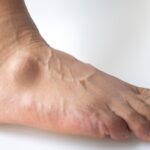
- Deformity: In some cases, the toe might look crooked or misshapen.
In certain situations, underlying issues, such as malformed joints or lax ligaments, can exacerbate the dislocation. It's essential to remember that attempting to self-diagnose or treat a dislocated toe without understanding its severity can lead to further complications.
What Causes a Toe to Dislocate?
Before addressing the treatment options, it's worth understanding the factors that may contribute to a dislocated toe. This occurrence can affect anyone, regardless of age, but it is particularly prevalent among athletes. Typical causes include:
- Direct Impact: A hard blow or impact during physical activities can lead to dislocation.
- Awkward Kicks: Miscalculating a kick, especially in sports like soccer or football, can dislocate your toe.
- Improper Footwear: Wearing shoes that do not provide adequate protection or support can increase your risk of toe injuries.
It's also important to recognize any personal risk factors that might make you more susceptible to dislocations. If you engage in activities that put your toes at risk, consider reevaluating your footwear for better protection.
This post contains affiliate links. If you make a purchase through my links, I may receive a small commission at no additional cost to you. I only recommend products I truly believe in.
Effective Treatment: The R.I.C.E. Method
When it comes to treating a dislocated toe, one of the most effective methods is known as R.I.C.E., which stands for Rest, Ice, Compression, and Elevation. Following these steps can promote faster healing and relieve pain.
Rest
Taking a break from high-impact activities is crucial. Allowing your toe time to heal will minimize further injury and promote faster recovery. During this period, avoid placing undue stress on the affected toe and try to keep your foot as stationary as possible.
Ice
Applying ice to the injured toe will help reduce swelling and alleviate pain. Using a cold pack for 10 to 20 minutes at a time, two to three times daily, can be beneficial. Remember not to apply ice directly to the skin; always use a towel or cloth as a barrier. Once the swelling subsides after a few days, you may want to switch to heat to promote blood flow and healing.
Compression
Wrapping the affected toe with a light bandage can also help control swelling. An elastic wrap, like an Ace bandage, works well for this purpose. However, be cautious not to wrap it too tightly; excessive compression can lead to tingling, numbness, or even more swelling. If your symptoms persist, it’s best to consult a healthcare professional.
Elevation
Elevating the injured toe is another important aspect of the R.I.C.E. method. Keeping the toe raised can help minimize swelling and pain. Try propping your foot up on pillows while sitting or lying down, and aim to keep it above the level of your heart for optimal results.
Steps to Treat a Dislocated Toe
If you've confirmed that your toe is indeed dislocated, gently trying to realign it may be necessary. While it can be a straightforward process, it is highly recommended to have someone assist you. Here’s how to proceed:
- Prepare for Realignment: Sit in a comfortable position where you can clearly see your foot.
- Grip the Toe: Use your fingers to grip the affected toe securely.
- Gentle Pull: Carefully pull the toe away from the foot, applying gentle pressure until you hear or feel a “pop,” indicating realignment.
- Observe Symptoms: After realigning, monitor for any persistent pain or unusual symptoms; should any complications arise, seek professional medical assistance immediately.
While it may be tempting to attempt the realignment yourself, keep in mind that the safest and most effective way to address a dislocated toe is to consult a podiatrist. They have the expertise and tools necessary to ensure proper treatment.
Exercises and Recovery Timeline
When it comes to rehabilitation after a dislocated toe, several exercises can encourage healing and improve flexibility. Some recommended exercises include:
- Horizontal Toe Raises: Lift your toes while keeping your heel on the ground.
- Vertical Toe Press: Stand up and rise on your toes, slowly lowering back down.
- Vertical Toe Raises: Stand with feet shoulder-width apart and lift your toes as high as possible.
Typically, recovery from a dislocated toe can take anywhere from one to two weeks, depending on the severity of the injury. In moderate to severe cases, full recovery may take longer. Make sure to ease back into activities and avoid high-impact sports until your toe has healed completely.
Conclusion
Understanding the nature of a dislocated toe, from the causes and symptoms to effective management and recovery, can make all the difference in your treatment process. It's crucial to listen to your body and seek professional guidance rather than trying to self-treat, as doing so will help you avoid further complications. After reading this article, you should have a clearer direction on how to handle dislocated toes, allowing you to get back to your normal routine in no time. Prioritizing your health and being cautious can help you navigate toe injuries safely and effectively.