Lumps and Bumps on Top of Foot: Causes, Symptoms, and Treatment
Understanding Bumps on the Top of Your Foot
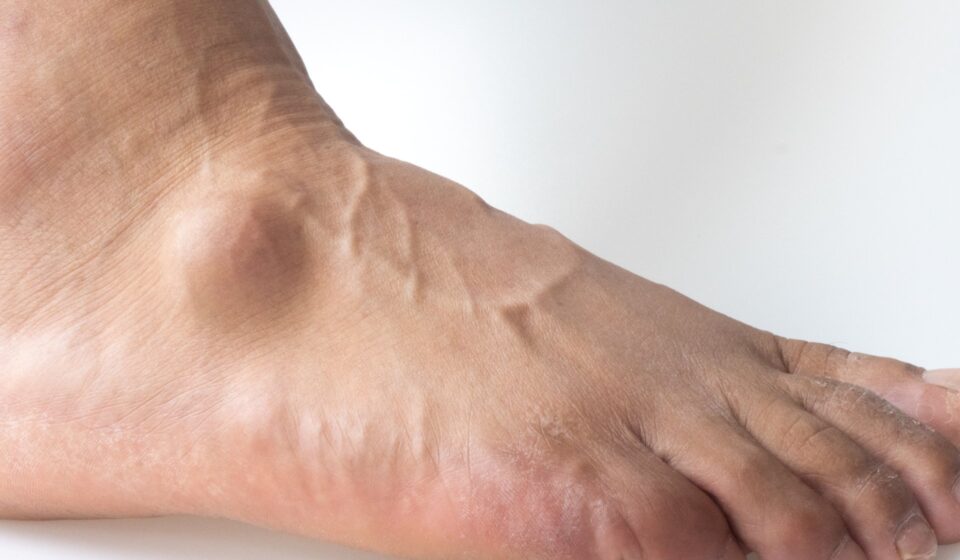
Experiencing a lump on the top of your foot can be concerning and uncomfortable. These lumps are often soft tissue masses filled with fluid, which can be clear, thick, and sticky. Some describe the fluid as resembling jelly, and it may be painful. If you’re facing this issue, it’s essential to educate yourself about the condition, as understanding it can empower you to take the right steps for treatment and prevention. Bumps on the foot can occur in individuals of any age, but they tend to be more common among women.
Causes of Bumps on Top of the Foot
To effectively treat a lump on your foot, it’s critical to determine the underlying cause. Various factors can contribute to the development of these hard bumps.
Ganglion Cysts
Ganglion cysts are soft, non-cancerous lumps that can form near joints and tendons, commonly appearing on the wrist but also on the top of the foot. While they may be generally painless, they can lead to discomfort if they press on nearby nerves. The term ‘ganglion' means knot, reflecting their irregular shape and mobility. These cysts can reappear and shrink over time, and while many resolve on their own in a couple of years, knowing how to monitor and manage them is important.
Causes of Ganglion Cysts
There’s no definitive answer to the formation of ganglion cysts. They may develop following a traumatic event, leading to a breakdown of joint tissue. This breakdown can result in small cysts that coalesce into a more prominent mass on your foot. Another theory suggests that imperfections in the tendon sheath or joint capsule allow bulging tissue to create a bump.
Symptoms of Ganglion Cysts
Ganglion cysts can change in size, typically ranging from one to three centimeters. They are usually immobile and may elicit pain during movement due to pressure on the joint. Some individuals report feelings of weakness if the cyst is connected to a tendon.
Treatment Options for Ganglion Cysts
If you’re suffering from a ganglion cyst, various treatment options are available:
-
Aspiration: A doctor uses a syringe and needle to drain the cyst fluid. This is usually a simple, painless procedure.
-
Arthroscopic Surgery: This minimally invasive surgery uses an arthroscope to visualize the joint and remove the cyst.
-
Open Surgery: This method involves a larger incision (about two inches) to access and eliminate the cyst directly.
Bone Spurs
Bone spurs, also known as osteophytes, are bony projections that develop along the edges of bones, generally forming where bones meet each other at joints. They are often associated with conditions like osteoarthritis and are typically found in the foot, heel, big toe, neck, lower back, knee, and shoulder. Bone spurs can lead to stiffness and joint pain.
Causes of Bone Spurs
Bone spurs often develop due to constant pressure on the bone. A common condition leading to bone spurs in the foot is metatarsal-cuneiform exostosis, which manifests as a hard bump on the upper foot due to pressure between the medial cuneiform and first metatarsal bones. Excessive flattening of the foot can also contribute to their formation. Other causes may include tendonitis and prolonged inflammation from osteoarthritis.
Symptoms of Bone Spurs
Most individuals with bone spurs experience no noticeable symptoms other than intermittent or chronic pain, especially while engaging in activities like running or walking. Some report a sharp pain that can feel like a pin or knife sticking into their heels, which often subsides to a dull ache over time.
Treatment Options for Bone Spurs
There are several treatment options available for those suffering from bone spurs:
-
Prescription Medications: Anti-inflammatory drugs and muscle relaxants can help relieve pain and manage inflammation associated with bone spurs.
-
Rest: Taking a break from activities that exacerbate the pain is often recommended. This can help reduce inflammation and aid in recovery.
-
Chiropractic Adjustments: These can help realign your joints and relieve pain by restoring strength and flexibility.
-
Home Remedies: Natural solutions such as ice therapy can effectively reduce pain and inflammation. Stretching exercises can also be beneficial.
-
Surgery: Although surgical intervention is less common, it may be necessary if bone spurs are persistently inflamed. Advanced procedures can include shockwave therapy, radiofrequency ablation, and platelet-rich plasma injections.
This post contains affiliate links. If you make a purchase through my links, I may receive a small commission at no additional cost to you. I only recommend products I truly believe in.
Recognizing Your Foot Lump
Being informed about the development of a foot lump makes it easier to manage the condition effectively. Early intervention is key in preventing further pain and inflammation.
Additional Conditions Associated with Foot Lumps
While ganglion cysts and bone spurs are common causes of lumps on the foot, other conditions can also lead to similar symptoms.
Plantar Warts
These are growths caused by the human papillomavirus (HPV), often appearing on the soles of the feet. They can be painful and may look like small, rough spots.
Morton’s Neuroma
This condition occurs when a nerve in the foot becomes compressed, leading to sharp pain and a lump between the toes, usually the third and fourth. The pain can intensify while walking or wearing tight shoes.
Lipomas
These are benign tumors made of fat cells and can develop anywhere in the body, including the foot. They are usually soft and moveable, posing minimal risk but can cause discomfort depending on their size and location.
When to See a Doctor
While many foot lumps are benign, it is crucial to consult a healthcare provider if:
- The lump changes in size or shape.
- You experience significant pain or discomfort.
- You notice any signs of infection, such as redness, warmth, or drainage.
Diagnosing the Condition
A healthcare professional will typically review your medical history, conduct a physical examination, and possibly recommend imaging tests like X-rays or MRI scans to ascertain the nature of the lump.
Lifestyle Tips for Prevention
While you cannot always prevent bumps on your foot, there are actionable steps you can take to minimize the risk:
-
Wear comfortable shoes: Ensure that footwear provides adequate support and doesn't crowd your toes.
-
Maintain Foot Hygiene: Regular washing and drying of your feet can help prevent infections that may lead to lumps.
-
Choose foot-friendly activities: Engage in exercises that promote foot health and strength without putting undue stress on your joints.
Conclusion
Experiencing a lump on the top of your foot can be both uncomfortable and worrisome. Understanding the various causes, recognizing symptoms, and knowing your treatment options equips you to manage the situation effectively. Whether it’s a ganglion cyst, bone spur, or another condition, being proactive about your foot health is vital. If you notice a lump, don’t hesitate to consult with a healthcare professional for an accurate diagnosis and appropriate treatment plan. Taking early action can prevent pain and complications down the road, ultimately helping you maintain a healthy, active lifestyle.