High Arch Feet: Problems, Pain Treatment and Surgery
Understanding High Arch Feet: Causes, Symptoms, and Solutions
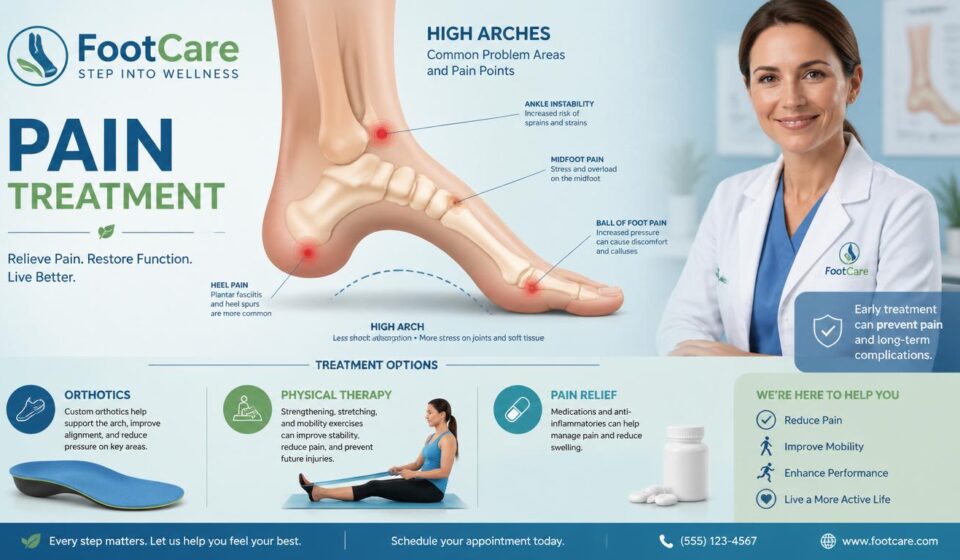
A high arch foot, medically known as cavus foot, is a condition characterized by an exaggerated curvature of the foot's arch. This excessive arch can lead to a range of issues, particularly when standing or walking. Unlike a normal foot, where weight is distributed evenly, individuals with high arches often place more pressure on the heel and ball of the foot, potentially causing discomfort and instability. Cavus foot can appear in one or both feet and may develop at any stage of life. If you notice pain or a lack of balance while on your feet, it's important to consult a podiatrist for an evaluation and treatment options.
How to Identify a High Arch Foot
Identifying a high arch foot can be done through various methods, some of which you can perform at home. While a podiatrist can provide a comprehensive assessment, consider trying these self-evaluation techniques:
The Wet Test
This simple test requires a shallow basin filled with water and a plain piece of heavy paper. Wet your foot and step onto the paper to create an imprint. The shape of this imprint will help you determine your arch type. A high arch will show minimal contact between the arch and the paper, indicating a more pronounced curve.
The Wear Test
Take a look at the soles of your shoes. Individuals with high arches often experience wear patterns concentrated on the outer edges of the shoes, particularly near the little toe. This uneven wear can indicate that your foot is not distributing weight properly.
Side View Observation
Stand barefoot on a flat surface and observe your foot from the side. A higher arch will create a significant curve in the foot profile.
Other Symptoms to Note
Watch out for additional signs that may indicate high arches:
- Poor-fitting shoes
- Toes that curl or claw
- Tightness in the outer hips when attempting to distribute weight evenly
- A tendency for body weight to lean toward the outer part of the feet when standing
This post contains affiliate links. If you make a purchase through my links, I may receive a small commission at no additional cost to you. I only recommend products I truly believe in.
What Causes High Arched Feet?
Cavus foot can often be a natural inclination, as research indicates that about 20% of the global population has high arches. While some people adapt to this condition, others might require medical attention. High arches can develop due to neurological disorders, structural abnormalities, or may even be genetically inherited. Here are some of the key causes:
Neurological Disorders
Certain medical conditions can contribute to the development of high arches, including:
- Charcot-Marie-Tooth disease
- Polio
- Stroke
- Cerebral palsy
- Spina bifida
- Muscular dystrophy
These conditions affect muscle coordination and strength, leading to an abnormal foot structure.
Structural Abnormalities
In some cases, high arches may arise from inherited structural differences in the bone and connective tissues of the feet. If this is the case, intervention from a podiatric specialist can be beneficial.
Are High Arches Beneficial or Detrimental?
High arches come with their own set of advantages and disadvantages.
The Upside
In certain scenarios, having high arches can be beneficial, especially in sports. Athletes might find that high arches enable faster movements, quicker direction changes, and enhanced performance in activities requiring acceleration or abrupt stops.
The Downside
However, high arches can also lead to several disadvantages, including:
- Increased muscle fatigue in the legs
- Pain in the knees, back, and ankles
- Difficulty absorbing shock, resulting in injuries along the outside of the legs
- Aesthetic concerns, as some people may feel self-conscious about the appearance of their feet, particularly if saddle bone deformity is present
Challenges Associated with High Arched Feet
People with extremely high arches may face a range of complications due to the uneven distribution of body weight. Some possible issues include:
- Significant pain in the feet, heels, and balls
- Increased susceptibility to conditions like claw toes and metatarsalgia
- Difficulty finding shoes that fit comfortably
- A heightened risk of ankle sprains due to instability
Other associated complications can include:
- Haglund’s deformity: A bony enlargement on the back of the heel
- Morton's neuroma: A painful condition caused by thickening of the tissue around the nerves in the foot
- Metatarsal stress fractures: Small cracks in the bones of the foot due to excessive pressure
Managing High Arches: Treatment and Solutions
Treating high arches can be challenging, especially since they are often less painful than low arches. Nevertheless, there are various ways to manage the condition effectively:
Supportive Footwear
Choosing the right shoes can make a significant difference. Look for options with ample cushioning that alleviate pressure on the painful areas. High-top shoes with shock-absorbing features are particularly beneficial for athletes. Also, consider shoes designed with wider heels and thicker insoles to enhance stability.
Ankle Braces
A podiatrist may recommend ankle braces to provide extra support and help prevent further complications. These devices can stabilize your foot, allowing you to engage in daily activities with greater ease.
Custom Orthotics
Many podiatrists suggest custom orthotics for those with high arches. These specialized inserts are designed to cushion your feet and provide essential stability, helping to correct alignment issues.
Silicone or Felt Pads
If you're experiencing pain in the arch or heel, using silicone or felt pads can offer additional cushioning. These pads help to reduce pressure and provide the support your feet need.
Corn and Callus Debridement
For individuals experiencing painful calluses or corns, professional debridement conducted by a registered podiatrist can provide relief from mechanical stresses caused by ill-fitting shoes.
Anti-Inflammatory Medications
Due to the heightened pressure experienced in the heel and ball areas, inflammation can occur, which may lead to significant pain. Your doctor may prescribe anti-inflammatory medications to reduce swelling and manage discomfort.
Stretching Exercises
Certain exercises can be performed at home to help manage high arches. Before starting any new exercise regimen, it's advisable to consult your podiatrist or healthcare provider to ensure appropriateness for your condition.
Is Surgery an Option for Cavus Foot?
Surgery for cavus foot is typically recommended only for severe cases where other treatments have failed. The main objectives of the procedure are to relieve pain, lower the arch, and improve overall foot functionality. Post-surgical recovery can be lengthy, often taking anywhere from six to twelve months, depending on the specific procedure and individual circumstances.
Surgical interventions can include:
- Tendon transfer to improve foot alignment
- Osteotomy to alter bone structure
- Fusion of certain foot bones
- Plantar fascia release to ease tension
- Resection of sections of toe bones if necessary
Conclusion
Regular foot assessments are crucial for maintaining overall foot health. If high arches are detected, prompt treatment can significantly improve quality of life. Wearing shoes designed for comfort and support is essential for managing high arches and protecting your feet. By taking proactive steps, you can lead an active, fulfilling lifestyle despite having high arches.