
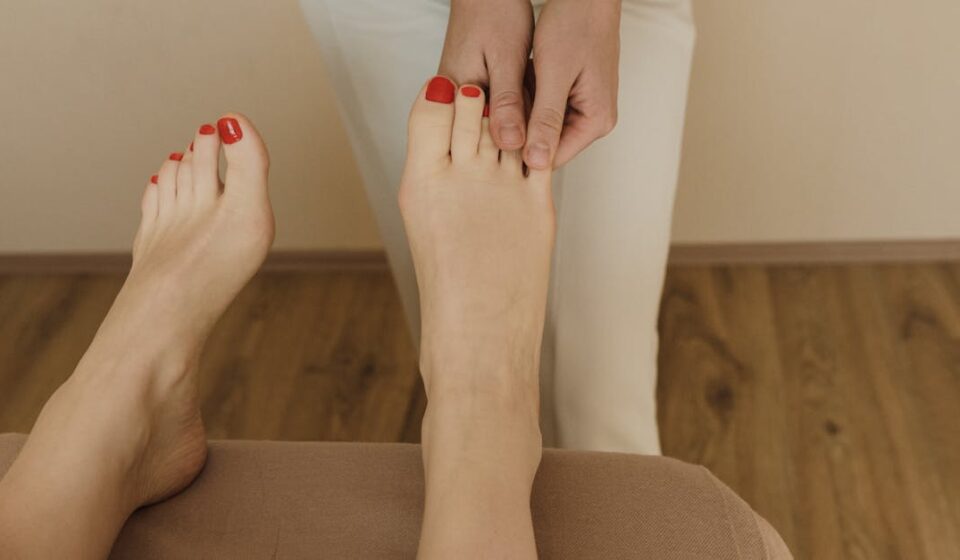
Pinky Toe Pain: Identifying Its Causes and Treatment Options
Understanding Pinky Toe Pain: Causes and Treatments
Pinky toe pain is more than just a minor inconvenience; it can be a source of significant discomfort affecting your daily life. Understanding the underlying causes of this pain is crucial for effective treatment. Although the little toe might seem insignificant, its pain can impact your entire body. This article will delve into the various reasons for pinky toe pain, how to accurately diagnose it, and explore effective treatment options.
What Causes Pinky Toe Pain?
Pinky toe pain is a common complaint that often arises from a variety of factors. While you might find relief from consultation at foot and ankle clinics, it's equally important to understand your specific condition. Sometimes, at-home remedies can be just as effective. Before jumping to conclusions, consider these potential causes of pinky toe pain:
Tailor’s Bunion
One of the leading causes of pinky toe discomfort is a condition known as tailor’s bunion, or bunionette. This happens when the base of your fifth metatarsal bone becomes prominent, leading to swelling and pain around the little toe. This condition can develop over time, especially for individuals whose occupations involve prolonged sitting and crossing their legs, such as tailors. The repeated pressure on the outer edge of the foot can result in a painful bump.
Ingrown Toenail
An ingrown toenail can be another culprit behind sharp pinky toe pain. While ingrown toenails are commonly associated with the big toe, they can undoubtedly impact the little toe as well. If you notice localized pain or if the area seems swollen and infected, an ingrown toenail might be to blame. Causes often include improper nail trimming or tight footwear. Treatment may involve maintaining proper hygiene and, in severe cases, minor surgical intervention.
Hammertoe
Hammertoe is another condition that could lead to pinky toe pain. This deformity occurs when the toes bend at the middle joint, creating a characteristic hammer-like appearance. Factors contributing to hammertoe can include an imbalance of ligaments, muscle strain, or ill-fitting shoes. Besides toe pain, symptoms usually include stiffness and difficulty moving the toe.
Ill-Fitting Shoes
Wearing poorly fitting shoes can lead to a myriad of foot problems, including pinky toe pain. Shoes that are too tight or narrow may cause pressure and lead to blistering, swelling, and even painful corns or calluses. A 2009 survey by the American Podiatric Medical Association found that a staggering 78% of Americans wear shoes that are too small. Slipping into the right footwear can be crucial in alleviating discomfort.
Corns and Calluses
Corns are small, painful areas of thickened skin that can develop on the toes, particularly the pinky toe. They usually occur due to excessive friction or pressure, often caused by ill-fitting shoes. Corns can be mistaken for calluses, which are thicker layers of skin that form on the soles of your feet. Differentiating between the two is important for effective treatment.
Broken Toe
A broken toe can cause sharp pain and typically occurs from stubbing the toe or dropping a heavy object on it. In this case, immobilizing the broken toe and seeking medical evaluation is essential. Serious fractures may require casting or, in some cases, surgery.
Stubbed Toe
Similar to a broken toe, stubbing your toe can lead to considerable pain. The discomfort may start as a sharp, acute feeling but can linger for hours, especially when pressure is applied. You may also notice swelling and discoloration.
High-Impact Exercise
Certain high-impact exercises can contribute to toe pain, particularly activities that involve rapid changes in direction or high levels of stress on the foot. Common culprits include sports such as basketball, tennis, and aerobics. Wearing the right footwear and warming up properly can help reduce the risk of injury.
Toe Arthritis
Arthritis in the toes can result in agonizing pain and limited mobility. This condition often leads to inflammation of the toe joints and can be caused by various types of arthritis, such as osteoarthritis or rheumatoid arthritis. Risk factors include age, weight, and a family history of arthritis.
Nerve Irritation
Irritation of the nerves in your foot can lead to localized toe pain. Conditions such as tarsal tunnel syndrome can result in nerve compression and discomfort in the pinky toe area. A thorough evaluation is necessary to determine the nature of nerve involvement.
This post contains affiliate links. If you make a purchase through my links, I may receive a small commission at no additional cost to you. I only recommend products I truly believe in.
How to Effectively Treat Little Toe Pain
Once you've determined the cause of your pinky toe pain, it’s time to explore treatment options. While some individuals may require medical intervention, several home remedies can also provide relief.
Natural Remedies
- Onion and Vinegar Soak
Mixing sliced white onions with white vinegar can create a remedy known for its soothing properties. Let the mixture sit in a warm place, then soak a cotton pad in it and place it over your corn. Secure it overnight with a covering to maximize effectiveness.
- Lemon Treatment
Lemon slices can be helpful for treating corns. Simply cut a slice approximately one inch long and place it over the corn. Bind it with a bandage and wear socks to keep it in place overnight.
- Vitamin B Complex
Vitamin B Complex supplements can help alleviate symptoms such as discomfort, numbness, or burning in the toes. Incorporating these supplements can enhance nerve health and promote overall relief.
- Stretching Exercises
Improving your flexibility and mobility through stretching can relieve tension in the tendons and muscles of your feet. Simple exercises can make a big difference in your foot health.
- Proper Footwear
Investing in quality, well-fitted shoes can mitigate many issues related to pinky toe pain. If conditions like hammertoe are a concern, consider special shoes designed to accommodate foot deformities for maximum comfort.
Seeking Professional Help
While home remedies and lifestyle adjustments can often be effective, know when to consult a healthcare professional. If your symptoms persist or worsen, a visit to a podiatrist or orthopedic specialist can provide you with a comprehensive treatment plan tailored to your needs.
In some cases, they may suggest physical therapy to strengthen foot muscles or, in more severe situations, surgical options may be discussed.
Conclusion
Pinky toe pain may seem trivial at first glance, but it can have significant implications for your mobility and quality of life. Understanding the various causes of this discomfort is the key to proper treatment. By identifying whether you have a tailor’s bunion, ingrown toenail, hammertoe, or another condition, you empower yourself to take action.
With a mix of self-care strategies and professional guidance, you can find effective ways to manage your pain. Remember, listening to your body is crucial. Don’t hesitate to act on symptoms that persist or worsen, and give your feet the care they deserve.