
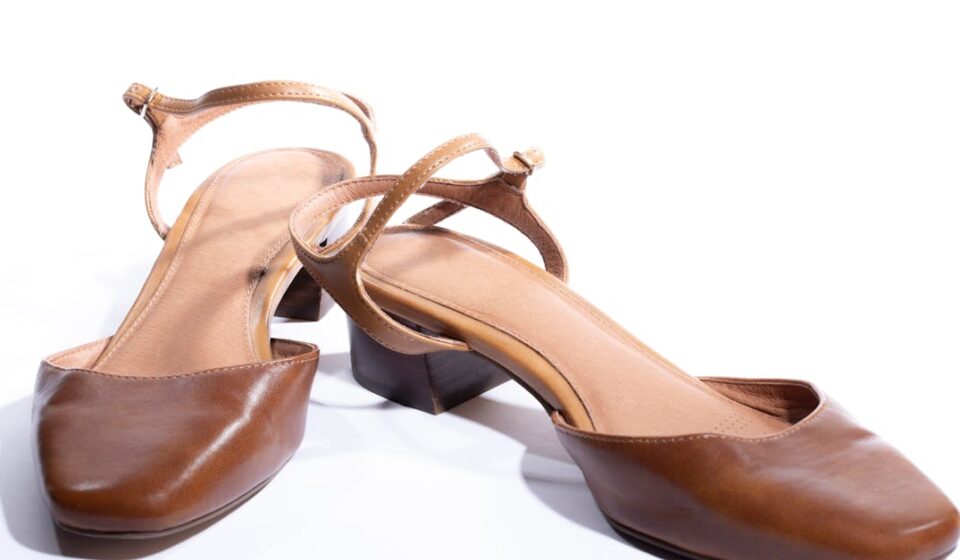
How to Break In New Leather Sandals Without Pain
Your Ultimate Guide to Breaking In New Leather Sandals: Comfort Without the Pain
There’s nothing quite as satisfying as slipping into a new pair of leather sandals. The rich aroma and sleek appearance evoke the essence of summer. However, it can quickly turn from a dream to a discomforting nightmare filled with blisters and chafing if you don’t take the time to break them in properly. Fresh leather can often be stiff and less forgiving on your feet. Don't worry! With some patience and strategic tactics, you can transform those delightful but rigid sandals into your go-to comfortable footwear. Here’s a comprehensive guide to breaking in your new leather sandals painlessly:
The “Little and Often” Method: Your Best Friend
This is perhaps the most essential rule to follow. Resist the temptation to wear your new sandals continuously right from the box.
Start Small
Begin by sporting your sandals for brief sessions, perhaps 15 to 30 minutes at a time while you’re at home. This way, your feet can gradually acclimate to the new material.
Increase Gradually
Over a week or two, incrementally extend the duration you wear them. Try a quick errand first, then take them on a slightly longer stroll.
Listen to Your Feet
Pay attention to how your feet feel. The moment you start to experience discomfort or rubbing, take a break. Stopping early can prevent blisters and delay progress.
Prepare Your Feet (And the Sandals)
A little preparation can go a long way in reducing friction and helping your leather achieve that soft, supple feel.
Wear Socks (Yes, Really!)
Though it may seem unconventional, donning thin cotton socks with your new sandals for short durations—especially at home—can stretch the leather slightly and stop direct contact between your skin and the leather. This is particularly effective on the straps.
Moisturize Your Feet
Hydrating your skin minimizes friction. Apply a good moisturizer to your feet before slipping on your sandals.
Use Anti-Blister Balms or Tapes
Applying anti-blister sticks, or petroleum jelly to common friction areas like the back of the heel or under straps helps prevent irritation. You can also place moleskin or specialized blister tape on spots prone to rubbing.
Heat Them Up (Carefully!)
Carefully warming your leather can increase its flexibility. You can gently heat the leather straps or footbed with a hairdryer on a low setting for about 20 to 30 seconds. While the leather is warm, put them on and walk around until they cool. Exercise caution not to overheat the leather, as this could damage it.
Strategically Stretch and Soften the Leather
Besides just wearing your sandals, you can actively work on softening specific areas that might feel a bit tight.
Massage the Leather
Using your hands, gently massage and flex the leather straps and any stiff areas. This helps relax the fibers and break down stiffness.
Use a Leather Conditioner/Softener
Invest in a quality leather conditioner to apply to stiff or rubbing sections. It hydrates the leather, making it more pliable. Always conduct a patch test on an inconspicuous area first to ensure it doesn’t alter the leather’s color.
The Ice Bag Method (for Specific Spots)
If you have a particularly tight area, fill a strong Ziploc bag with water, seal it tightly, and place it inside the sandal where it needs stretching (e.g., within a strap or the toe box). Put the sandal in the freezer overnight. As the water freezes, it expands, gently stretching the leather. Allow it to thaw completely before removing the bag.
Shoe Stretchers
For stubborn areas that resist giving in, using a shoe stretcher specifically designed for sandals can be very effective. Insert it and keep it for several hours or overnight to help expand the leather.
Don’t Forget the Soles!
It's vital to remember that not just the straps and upper leather require breaking in; the footbed and sole also need time to conform to your unique foot shape.
Walk on Varied Surfaces
When you eventually wear them outside, try strolling on different surfaces—pavement, grass, and even a bit of gravel. This variety helps the sole bend and adjust to your walking style.
Weight Bearing
Simply walking in them allows the footbed to mold itself to the contours of your feet.
Be Patient and Persistent
Breaking in a new pair of leather sandals isn’t a quick fix, particularly with high-quality, thick leather. It might take anywhere from a few days to a couple of weeks, based on the leather's stiffness and how frequently you wear them.
Don’t Rush
Hurrying through this process will only lead to discomfort and possibly damage your sandals.
Consistency is Key
Regular short wear is far more effective than enduring one long, painful day.
Additional Tips for a Smooth Breaking-In Process
While the previous methods will vastly improve your comfort, here are additional strategies to help streamline the breaking-in experience.
Consider Weather Conditions
Warm weather can be beneficial for breaking in leather. It helps make the material more pliable, so consider wearing them on warmer days.
Choose the Right Time
Breaking in your sandals during quiet times, like weekends or at home, allows you to focus on comfort rather than navigating a busy schedule.
Pay Attention to Daily Activities
Incorporate wearing your new sandals into activities that don’t require extended periods of standing or walking. Think about tasks that allow you to sit down frequently.
Rotate Your Footwear
During the breaking-in phase, alternate between your new sandals and other shoes to relieve your feet and give them a chance to recover.
Signs Your Sandals Are Ready
How do you know when your sandals are good to go for all-day wear? Look out for these signs:
- Increased Comfort: When you can wear them without any discomfort or rubbing.
- Soft Leather: The leather should feel supple and flexible, without any stiff spots.
- No Blisters: A successful breaking-in experience should mean no signs of blisters or sore spots.
Troubleshooting Common Issues
Even with the best intentions and proper techniques, sometimes you may still face challenges breaking in your sandals. Here are some common problems and solutions.
Blisters and Rubbing
If you find that rubbing or blisters are becoming an issue, immediately remove the sandals and apply blister treatment. Reduce wear intervals and focus on padding with anti-friction products until the issue resolves.
Tight Straps
If the straps feel excessively constricting, consider using the shoe stretcher method mentioned above, or apply a little leather conditioner to soften the area.
Unpleasant Odor
To tackle any potential odor from new leather, sprinkle a little baking soda inside the sandals and let it sit overnight. Shake out any excess the following day.
Conclusion
Breaking in new leather sandals doesn't have to be an excruciating experience. By incorporating these careful strategies, you will be on your way to enjoying the luxurious feel and stunning aesthetics of your new footwear without the associated pain. With patience and consistency, those once-stiff sandals will fit like a glove, turning them into a beloved summer staple.
This post contains affiliate links. If you make a purchase through my links, I may receive a small commission at no additional cost to you. I only recommend products I truly believe in.
Happy walking! Here’s to stylish and comfortable summer adventures with your fabulous new leather sandals!