
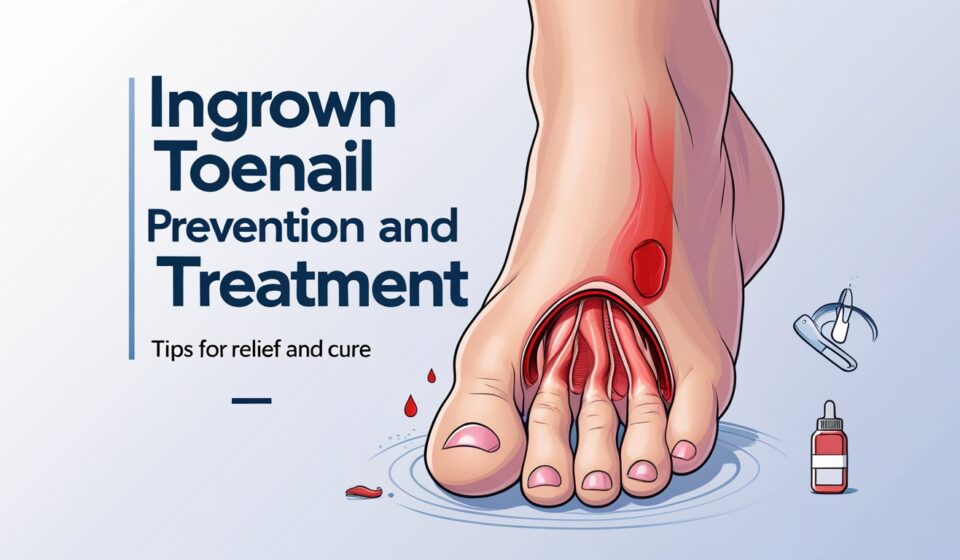
Ingrown Toenail Prevention and Treatment
Everything You Need to Know About Ingrown Toenails
Ingrown toenails can be more than just a nuisance; they can bring about significant discomfort and even lead to infection. This condition arises when the edge of the toenail grows into the surrounding skin, causing pain, swelling, and redness. Fortunately, effective techniques for prevention and treatment are available.
Understanding Ingrown Toenails
An ingrown toenail, medically known as onychocryptosis, surfaces when the toenail—often the big toe—grows into the soft flesh of the toe. This can occur on any toe, but it is particularly common with the big toe due to its prominence.
What Causes Ingrown Toenails?
Several factors can contribute to the development of ingrown toenails. Understanding these causes can help you prevent this painful condition.
Improper Nail Trimming
One of the primary culprits behind ingrown toenails is improper trimming. Cutting your toenails too short or shaping the edges can lead them to burrow into the skin.
Poorly Fitting Footwear
Tight and ill-fitting shoes can exert pressure on your toenails, causing them to grow abnormally. Narrow footwear can force the toes together, increasing the risk of ingrown nails.
Traumatic Injuries
Physical trauma to the toe—such as stubbing it or dropping something heavy—can harm the nail bed, making it more likely for the nail to become ingrown.
Natural Nail Shape
Some individuals naturally possess curved or particularly thick toenails, making them more susceptible to ingrowing.
Fungal Infections
Fungal infections can thicken nails or lead to deformities that increase the likelihood of them growing into the skin.
Genetics
In some cases, a tendency toward ingrown toenails can be inherited. If your family has a history of this issue, you may be at greater risk.
This post contains affiliate links. If you make a purchase through my links, I may receive a small commission at no additional cost to you. I only recommend products I truly believe in.
Recognizing the Symptoms
Knowing the signs of an ingrown toenail can help you address the issue promptly. Look out for:
Pain and Tenderness
You may experience pain alongside tenderness on the side of the affected toenail. This discomfort can make walking or wearing certain shoes quite uncomfortable.
Redness and Swelling
Swelling and redness around the nail can be indicative of an ingrown toenail. These symptoms may worsen over time, especially if left untreated.
Warmth in the Area
An ingrown toenail may also feel warmer than other areas of your foot, often signaling inflammation.
Drainage or Pus
If an infection sets in, you might notice pus or drainage, which can indicate a need for immediate medical attention.
How to Prevent Ingrown Toenails
Prevention is always better than cure. Here are some tips to help you avoid this painful condition:
Proper Nail Trimming Techniques
When trimming your toenails, cut them straight across. Avoid rounding the edges, which can cause the nail to grow inward. Keeping the corners exposed and leaving them slightly longer can prevent skin from folding over the nail.
Choose the Right Footwear
Selecting shoes that fit well is crucial. Opt for footwear with a roomy toe box that allows your toes to spread out. Avoid high heels and overly narrow shoes that compress the toes.
Maintain Foot Hygiene
Good foot hygiene is vital for preventing fungal infections, which can lead to ingrown nails. Wash your feet regularly and ensure they are completely dry, especially between the toes.
Protect Your Toes
Be mindful of activities that pose a risk of injuring your toes. Wearing protective footwear during sports or while engaging in activities where foot injuries can occur helps minimize this risk.
Treatment Options for Ingrown Toenails
If you already have an ingrown toenail, various treatment options are available, depending on the severity of the condition.
Home Remedies You Can Try
Many ingrown toenails can be managed effectively at home. Here are some practical methods:
Soaking Your Feet
Soaking your foot in warm water can relieve discomfort. Consider adding Epsom salt, known for its anti-inflammatory properties, to soften the skin around the nail. Aim to soak for about 10-20 minutes, several times daily.
Lifting the Nail
You can gently lift the edge of the ingrown nail using a clean, blunt object like dental floss. Once lifted, place a small piece of cotton or gauze beneath the nail edge to keep it elevated. Be sure to change this cotton or gauze daily to maintain hygiene.
Using Topical Antibiotics
Applying over-the-counter antibiotic ointments can help prevent bacterial infections. Ingredients such as neomycin, polymyxin B, or bacitracin are commonly found in these ointments. Always ensure the area is clean and dry before application.
Pain Relief
Over-the-counter medications like ibuprofen or acetaminophen can alleviate pain. Ibuprofen is particularly effective for reducing inflammation as well. Always adhere to the recommended dosages and consult a doctor if pain persists.
Seeking Medical Treatment
If home treatments do not show improvement or if the ingrown toenail becomes severely inflamed or infected, it's time to seek professional help. A healthcare provider can offer specific interventions:
Partial Nail Removal
In cases where the nail is particularly troublesome, a doctor may numb the toe and remove the part of the nail growing into the skin.
Complete Nail and Root Removal
For individuals who experience recurring ingrown toenails, doctors may suggest complete nail removal and the destruction of the nail root to prevent future growth.
Prescribing Antibiotics
If an infection is present, the healthcare provider may prescribe oral antibiotics to address the issue.
Complications from Untreated Ingrown Toenails
Ignoring an ingrown toenail may lead to complications, including:
Infections
If left untreated, bacteria can invade the toe and surrounding area, leading to infections that may require more aggressive treatments.
Bone Infections
Severe infections can penetrate deeper, infecting the bones in your foot.
Foot Ulcers in Diabetic Patients
Individuals with diabetes are at an increased risk for complications, including foot ulcers, due to impaired circulation and healing.
Increased Pain
Untreated ingrown toenails can lead to heightened discomfort, making even simple activities like walking feel painful.
When to Consult a Doctor
It's important to reach out to a healthcare professional if you notice:
Signs of Infection
Symptoms such as redness, swelling, pus, or even escalating pain should prompt you to seek medical advice.
Lack of Improvement with Home Remedies
If you've tried at-home treatments without improvement over a few days, don't hesitate to consult a doctor.
Pre-existing Health Conditions
Individuals with diabetes or poor circulation should be especially cautious about ingrown toenails, as they face a higher risk for complications.
Final Thoughts
Ingrown toenails can be a painful and frustrating condition, but with proper preventive measures and effective treatments, you can manage and alleviate discomfort. Whether you take steps to prevent the condition or seek medical intervention when necessary, keeping your feet healthy should be a priority. Remember, your feet carry you through life; make sure to give them the care they deserve.