
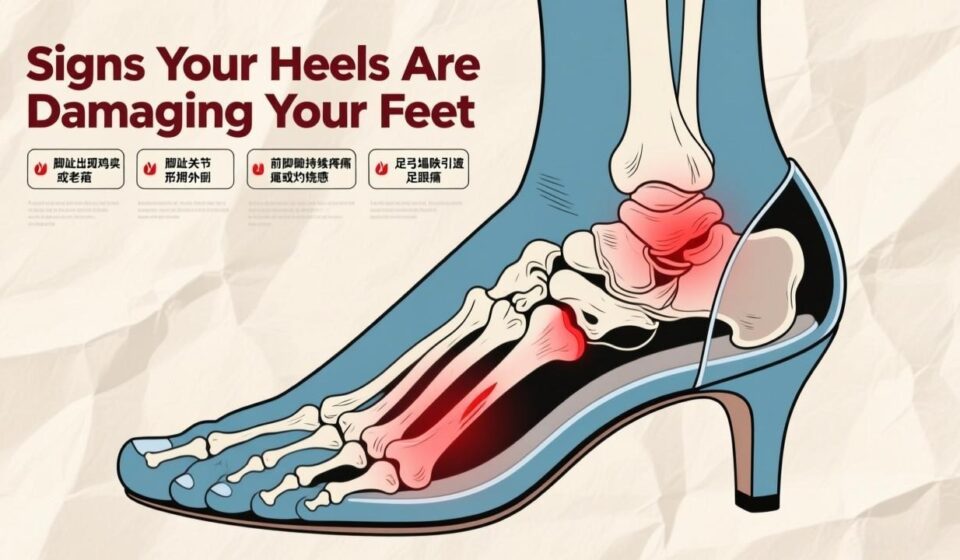
Signs Your Heels Are Damaging Your Feet
Signs Your Heels Are Damaging Your Feet
High heels can undoubtedly elevate your style, giving you a boost of confidence and a dash of elegance. Yet, the stylish allure of those towering shoes often comes at a considerable cost to foot health. While wearing heels occasionally may not lead to significant issues, frequent use can pave the way for painful and sometimes even long-lasting problems. Understanding the warning signs your feet present is essential. Neglecting these signals can worsen existing conditions and lead to chronic discomfort or deformities.
In this article, we’ll take a closer look at the telltale signs that your beloved high heels could be doing more harm than good.
Persistent Foot Pain
The Red Flag of Discomfort
One of the clearest signs of trouble is relentless foot pain, particularly in the ball of your foot. If you often experience discomfort around your metatarsal area or toes after wearing heels, it’s time to pay attention. High heels force your weight forward, applying excess pressure on the forefoot, which can result in conditions like:
- Metatarsalgia: This condition involves inflammation and pain in the ball of the foot, making everyday activities uncomfortable.
- Neuromas: Pinched nerves can cause burning sensations, numbness, or tingling, especially between the toes. One common type is Morton’s neuroma, which can be particularly bothersome.
Bunions and Hammertoes
The Footwear Trap
Wearing high heels, particularly those with narrow or pointed toe boxes, squishes your toes into unnatural positions. This prolonged compression can lead to painful conditions such as:
- Bunions: A bunion forms as a bony bump at the base of the big toe, tilting inward and often leading to discomfort and inflammation.
- Hammertoes: This condition causes one or more smaller toes to bend at the middle joint, resembling a hammer. This misalignment can lead to corns and calluses, due to friction with your shoes.
Tight Calves and Achilles Tendon Issues
The Hidden Consequences
Regularly sporting high heels keeps your feet in a pointed position, which can lead to tightened calf muscles and a contracted Achilles tendon. This tightness may manifest in several ways:
- Tightness and Pain: Stiff, sore calves can cause discomfort, even when you're not in heels.
- Achilles Tendinitis: This condition inflames the Achilles tendon, leading to pain and stiffness in the back of your heel.
- Discomfort in Flat Shoes: You may find it challenging to walk in flat shoes because your Achilles tendon has adapted to the raised position of your heels.
Ankle Instability and Sprains
The Balance Challenge
The narrow base of high heels compromises your balance, turning you more susceptible to injuries. You might experience:
- Ankle Sprains: Often resulting from a sudden twist or roll, sprained ankles occur when the ligaments that support the ankle stretch or tear.
- Chronic Ankle Instability: Repeated sprains can weaken your ankle ligaments, leading to a continual feeling of instability or giving way, especially on uneven surfaces.
Back Pain and Postural Problems
The Bigger Picture
High heels can alter your natural posture and alignment. To remain balanced, your pelvis might tilt forward, hyperextending your spine. This can lead to:
- Lower Back Pain: The unnatural curvature of the spine places extra strain on your lower back muscles and discs.
- Knee Pain: An altered gait often increases pressure on your knees.
- Whole-Body Alignment Issues: Over time, these changes can impact your entire musculoskeletal system, leading to further discomfort.
Corns, Calluses, and Blisters
Friction at Play
Friction and pressure from ill-fitting shoes can lead to a variety of skin issues, including:
- Corns: Small, painful bumps that develop on the tops or sides of your toes.
- Calluses: Larger patches of hardened skin formed as a protective response to repeated friction, often seen on the ball or heel of the foot.
- Blisters: Fluid-filled sacs that can arise from intense friction, sometimes resulting in open wounds when ruptured.
Ingrown Toenails
The Painful Complication
Pointed toe boxes can push toenails into the surrounding skin, resulting in painful ingrown toenails. This condition can cause redness, swelling, and may even lead to infection if not addressed promptly.
What Can You Do?
If you're noticing any of these symptoms, it's time to reassess your footwear choices. Here are some proactive steps to take:
Limit Heel Height and Wear Time
Opt for lower heels, preferably between 1-2 inches, and save the high heels for special occasions. Alternating with supportive, flat shoes can make a significant difference in your foot health.
Choose Wider Toe Boxes
Look for footwear that allows your toes to spread out comfortably instead of being cramped together. A wider toe box can help prevent many of the issues associated with narrow shoes.
Prioritize Comfort and Support
Invest in comfortable shoes with cushioned insoles and good arch support. This can help reduce strain on your feet, providing better overall stability and comfort.
Stretch Regularly
Incorporate calf and Achilles tendon stretches into your daily routine to help alleviate tightness. Stretching can improve flexibility and ease discomfort caused by prolonged heel wear.
Listen to Your Feet
If any shoes cause pain, do not ignore it. Your feet can communicate discomfort, and it's essential to heed these warnings. Prioritize comfort and stop wearing shoes that are painful.
Consult a Podiatrist
If you experience persistent pain, deformities, or other concerns, it's wise to seek assistance from a foot specialist. A podiatrist can provide a proper diagnosis and recommend appropriate treatments or preventive measures.
Your feet serve as the foundation of your body, and their health is crucial for your overall well-being. Paying attention to the signals they send and making informed choices about your footwear can greatly enhance your long-term comfort and mobility.
Final Thoughts
Maintaining healthy feet goes beyond just choosing the right shoes. It requires awareness and responsiveness to the signs of discomfort your feet exhibit. Remember, fashion should never come at the expense of your health. Investing in supportive, comfortable footwear is a step toward ensuring the well-being of your feet and the entire body.
In conclusion, high heels may offer a chic look, but the hidden costs can include a wide range of foot problems that may affect your daily life. The importance of regular foot care and listening to your body cannot be overstated. Equip yourself with the knowledge and tools needed to take better care of your feet.
And don’t forget—your foot health is worth prioritizing.
This post contains affiliate links. If you make a purchase through my links, I may receive a small commission at no additional cost to you. I only recommend products I truly believe in.