7 Common Foot Problems for Chefs and How to Treat Them
Understanding Foot Problems for Chefs and How to Address Them
If you work as a chef, you're likely familiar with the many challenges that accompany this profession—long hours, high-pressure environments, and the constant risk of accidents. Beyond the typical burns and cuts, chefs are also susceptible to various foot ailments that can range from mild discomfort to debilitating conditions. These foot problems frequently stem from standing or walking for extended periods, often nine to ten hours a day, six days a week. Although proper footwear is vital in preventing these issues, immediate medical intervention may be necessary for persistent discomfort. Let's explore the most common foot problems chefs face and some effective strategies to alleviate them.
Common Foot Problems for Chefs
Tired and Aching Feet
Experiencing foot pain is common among many individuals, but chefs are particularly vulnerable due to their demanding work environment. Studies reveal that women are more prone to foot aches, primarily due to wearing high heels and poorly fitted shoes. However, both men and women in the culinary profession experience foot discomfort because of prolonged standing and walking.
Stationary standing presents its own set of challenges, as it can cause joint compression and restrict blood flow to the muscles. The type of flooring, whether hardwood or cement, can further exacerbate existing pain, especially if one is wearing uncomfortable shoes. To combat tired and aching feet, invest in well-fitting shoes that provide support.
During breaks, take the opportunity to sit and give your feet a rest. After a long shift, elevate your feet and consider soaking them in warm water mixed with salt. A soothing massage with lotion or essential oils can work wonders, too.
Hallux Rigidus
Hallux rigidus refers to arthritis affecting the joint at the base of the big toe. This degenerative condition is often mistaken for bunions but is distinct in its progressive and persistent pain. The discomfort persists even during periods of rest, making it particularly troublesome.
To manage hallux rigidus, over-the-counter pain relievers can provide temporary relief. Other treatment options include physical therapy and, in some cases, steroid injections. Orthotic devices, available at sporting goods stores or pharmacies, can also assist in easing the pain. It's crucial to choose shoes that accommodate your foot, particularly those with a roomy toe box. If these measures fail, consulting with a physician about possible surgical options may be necessary.
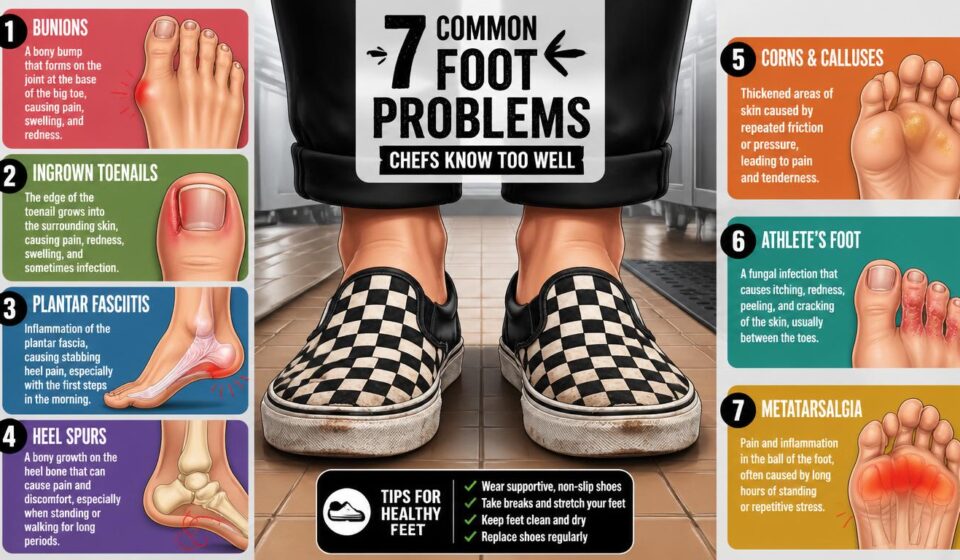
Plantar Fasciitis
Plantar fasciitis is characterized by inflammation of the plantar fascia, the tissue connecting the heel bone to the toes. Morning pain is often the most acute, particularly with the first steps out of bed. For chefs who are on their feet all day, this discomfort may become chronic.
This condition can be traced back to repeated strain and tearing of the fascia, which serves as a shock absorber for the foot's arch. Adequate rest is vital in recovering from plantar fasciitis, but additional strategies include physical therapy, stretching exercises, and orthotic products. Applying ice to the affected area can reduce inflammation, and over-the-counter pain relievers can offer additional relief. If symptoms persist, discussing surgical interventions with a healthcare provider may be warranted.
Bunions
Bunions occur when the big toe pushes against the next toe, leading to a protruding joint at its base. This condition can arise from genetics, arthritis, or the use of poorly fitting shoes.
To mitigate bunions, wearing comfortable, well-fitting shoes is essential. Adding shoe inserts can help distribute pressure more evenly across your feet. If pain arises, using cold compresses and pain relievers can provide short-term relief.
Tarsal Tunnel Syndrome
Tarsal tunnel syndrome occurs when the tibial nerve at the back of the ankle becomes compressed. This condition can be compared to carpal tunnel syndrome in the wrist and is characterized by pain, numbness, or a burning sensation in the foot.
This syndrome often results from overuse, requiring rest as the primary treatment method. Ice packs can help reduce inflammation, and anti-inflammatory medications may ease the pain.
Morton's Neuroma
Also referred to as interdigital neuroma, Morton's neuroma affects the nerves in the toes, causing thickening or irritation. Typically arising between the third and fourth toes, this condition can lead to a tingling sensation that worsens over time.
To alleviate the discomfort, wearing well-fitting shoes is essential. Injections or over-the-counter painkillers can also be effective. Maintaining a healthy weight may also help reduce stress on your feet.
Metatarsalgia
Metatarsalgia is the inflammation of the ball of the foot and is frequently observed in individuals who engage in considerable foot activity. Pain is typically centered at the metatarsal heads and can significantly disrupt daily activities.
To manage this discomfort, use an ice compress and a pressure bandage for support. Incorporating gentle stretches and exercises can also help improve overall foot health. Properly fitted shoes are crucial to provide adequate support and cushioning.
Choosing the Right Footwear
Selecting the right pair of shoes is crucial for chefs due to the unique challenges they face in the kitchen. You're not just looking for comfort; you also need footwear that protects and supports your feet against common injuries.
When shopping for shoes, look for models that feature excellent arch support and cushioning. Aim for heels with a height of no more than two inches to promote comfort throughout your shift. Given that hard flooring can intensify foot concerns, ensure your shoes have a comfortable footbed. Treat your footwear as an investment in your health—they can save you both time and money in the long run.
Additional Tips for Maintaining Foot Health
Regular Foot Care
It's essential to incorporate regular foot care into your routine. This includes routinely checking for any changes in your feet, such as swelling, discoloration, or persistent pain. Addressing these symptoms early on can prevent more severe issues down the line.
Stretching Exercises
Incorporating stretching and strengthening exercises into your daily regimen can significantly enhance foot health. Simple stretches, such as rolling your feet on a tennis ball or stretching your toes, can help alleviate tension and improve flexibility.
Maintaining a Healthy Weight
Lastly, managing your weight can significantly reduce stress on your feet. Excess weight can exacerbate many foot problems, including plantar fasciitis and metatarsalgia. Incorporating regular exercise and a balanced diet can help maintain a healthy weight and promote overall well-being.
Seeking Professional Help
If you experience persistent foot pain, don't hesitate to seek professional help. Consulting with a podiatrist can provide valuable insights and treatment options tailored to your specific conditions and needs.
This post contains affiliate links. If you make a purchase through my links, I may receive a small commission at no additional cost to you. I only recommend products I truly believe in.
Conclusion
For chefs, the rigors of the profession can take a toll on foot health. By being proactive and mindful of the common foot problems that arise in this field, you can take steps to mitigate pain and stay on your feet for long shifts. Investing in quality footwear, practicing good foot care, and seeking treatment when necessary can significantly improve your comfort and performance in the kitchen. With the right strategies in place, you can minimize discomfort and focus on what you love—creating delicious culinary delights.