
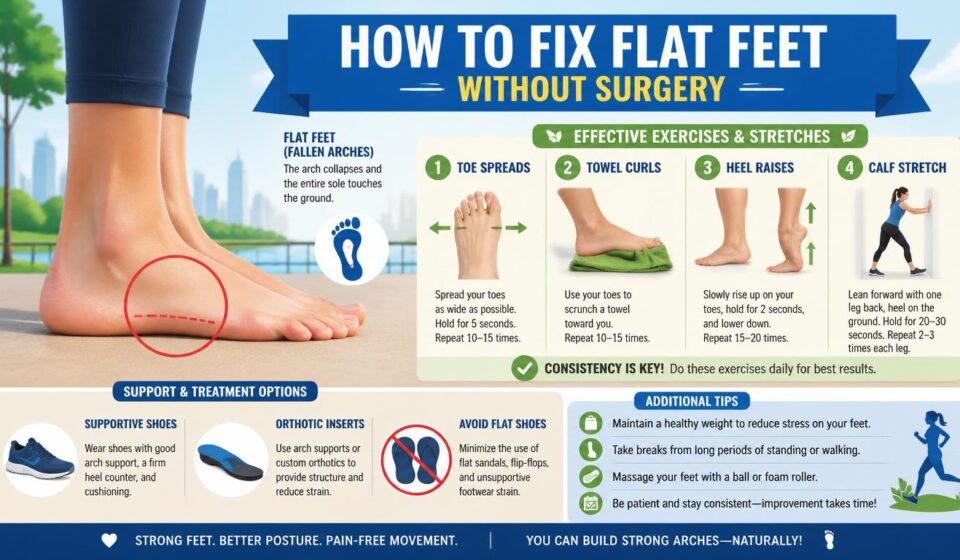
How to fix flat feet without surgery: 13 Treatments to Try
Understanding Flat Feet: A Comprehensive Guide
Flat feet, often referred to as low arches, occur when the arch gap between your foot and the ground is either nonexistent or minimal. In simple terms, this means your foot is either completely flat or nearly so when standing. The formation of the arch in our feet typically begins in childhood. Though children may exhibit a temporary arch while standing due to the flexibility of soft tissues, it usually becomes visible only when they are on their toes.
Is Flat Feet a Cause for Concern?
For many individuals, having flat feet is not inherently detrimental. If you're not experiencing any discomfort, you won't necessarily need treatment. However, it’s essential to understand that flat feet often come with their own set of challenges. They can be linked to various types of discomfort in different parts of the body, including the feet, ankles, knees, hips, or even the lower back.
Additionally, flat feet can lead to a condition known as overpronation. This happens when your feet roll inward excessively while walking or running. The repercussions of overpronation can extend beyond foot pain, affecting your knees and hips too.
Types of Flat Feet
Flat feet are generally categorized into two main types:
Flexible Flat Feet
This is the most common type and often seen in children. The arches may appear when standing on tiptoes but collapse when the foot is flat on the ground. Flexible flat feet typically cause little to no symptoms and often resolve by adulthood.
Rigid Flat Feet
In rigid flat feet, the arch remains flat regardless of the position of the foot. This condition can result in pain and discomfort, and it is more likely to require treatment. Rigid flat feet could be a product of genetic factors, injury, or certain medical conditions.
Common Symptoms of Flat Feet
Flat feet can manifest through a variety of symptoms. Recognizing these can help you determine if you need to seek medical advice. Here are some of the most prevalent symptoms associated with flat feet:
1. Foot Pain
Many individuals with flat feet experience localized foot pain, particularly along the arch or heel. The discomfort may be aggravated by prolonged standing or engaging in high-impact activities.
2. Ankle Pain
Flat feet can lead to discomfort in the ankles due to the extra strain placed on the joints. Over time, this strain may contribute to more significant issues.
3. Knee Pain
Due to overpronation, individuals with flat feet may also experience knee pain. The misalignment caused by rolling inward can strain the ligaments and tendons surrounding the knee.
4. Hip and Lower Back Pain
Flat feet can affect your overall posture and gait, which might lead to pain in the hips and lower back. This is often an indirect effect of how walking mechanics are altered.
5. Fatigue
If you notice your feet or legs tire easily during activities, this might be another symptom. Flat feet can make walking and standing feel more demanding.
When to Seek Medical Attention
If you find yourself experiencing any of the symptoms mentioned above, it may be time to consult a medical professional. Conditions that arise from flat feet can sometimes worsen without intervention.
Your doctor may recommend specific tests, such as a foot examination, imaging scans, or even a gait analysis, to better understand your condition.
Treatment Options for Flat Feet
While not all individuals with flat feet require treatment, those who do have several options to alleviate discomfort. Here are some of the most common treatment approaches:
1. Orthotic Inserts
Custom orthotic inserts can offer valuable support to flat feet. These specialized arch supports are designed to help redistribute pressure more evenly across the foot, minimizing pain and discomfort.
2. Proper Footwear
Investing in supportive shoes can have a significant impact. Look for shoes with good arch support and cushioning to ensure that your feet are well-supported during everyday activities.
3. Physical Therapy
Physical therapy can help strengthen the muscles in your feet and lower legs, improving stability and reducing pain. A physical therapist can create a customized program for your specific needs.
4. Stretching Exercises
Gentle stretching exercises can help alleviate tension and improve flexibility in the feet and calf muscles. Regularly practicing these exercises can lead to enhanced comfort and reduced symptoms.
5. Surgery
In extreme cases where other treatments have failed, surgical options may be considered. Surgical intervention is often reserved for individuals suffering from severe pain or disability resulting from flat feet.
Daily Care for Flat Feet
In addition to specific treatment options, there are daily habits you can adopt that will help manage flat feet and keep discomfort at bay:
1. Maintain a Healthy Weight
Excess weight places additional strain on your feet. By maintaining a healthy weight, you can reduce the pressure on your flat feet.
2. Stay Active
Regular physical activity helps to strengthen the muscles in your feet and legs. Opt for low-impact exercises like swimming or cycling if high-impact sports cause discomfort.
3. Invest in Quality Footwear
Choose shoes that accommodate your foot type and are suited for the activities you engage in. Avoid flat shoes or those lacking support, as they can exacerbate your symptoms.
4. Pay Attention to Your Posture
Being mindful of your posture while standing and walking can impact your comfort level. Try to stand straight and distribute your weight evenly across your feet.
5. Regular Check-ins
Keep track of any changes in your symptoms. If you notice increased discomfort or new symptoms arise, consult your healthcare provider.
Lifestyle Adjustments
Making simple adjustments in your daily habits can contribute to better foot health. Here are a few tips to consider:
1. Foot Massages
Indulging in a foot massage can help relieve tension and improve circulation. You can do this at home or seek professional help for a more therapeutic experience.
2. Toe Exercises
You can perform various exercises, such as picking up small objects with your toes or spreading your toes apart to improve flexibility and strength.
3. Ice Therapy
If you experience pain or swelling, applying ice can help manage inflammation. Just be sure to wrap ice in a cloth to avoid direct contact with the skin.
4. Compression Socks
Wearing compression socks may help increase blood circulation and relieve discomfort, especially if you spend long hours on your feet.
Myths Surrounding Flat Feet
It's essential to address some common misconceptions about flat feet. Here are a few myths that can lead to unnecessary worry:
Myth 1: Flat Feet are Always Problematic
Not everyone with flat feet will experience pain or other issues. Many people lead active, healthy lives without any complications.
Myth 2: Surgery is the Only Solution
While surgery can be an option for severe cases, various non-invasive treatments can effectively manage symptoms for most individuals.
Myth 3: Flat Feet are a Result of Bad Shoes
While appropriate footwear is essential, flat feet can be hereditary or result from various factors, including muscle weakness or injuries.
Myth 4: Only Children Have Flat Feet
Flat feet are not solely a childhood condition. Many adults also have flat feet, and the condition can develop or worsen over time.
Conclusion
Flat feet or low arches are a common condition that affects many people. While they can sometimes contribute to discomfort, not everyone with flat feet will require treatment. Understanding the different types, symptoms, and potential interventions can empower you to seek the right care and make informed choices for your foot health.
Whether you’re navigating daily activities or considering treatment options, it’s vital to stay informed and proactive. By adopting a combination of appropriate footwear, orthotic support, and an active lifestyle, many individuals manage flat feet effectively.
It’s important to consult with a healthcare professional if you notice persistent symptoms or any changes in your condition. Remember, managing flat feet is a personal journey, and what works for one person may differ for another.
This post contains affiliate links. If you make a purchase through my links, I may receive a small commission at no additional cost to you. I only recommend products I truly believe in.